
Mzansi Now: North West Province is Accused of Violating Human Rights
Chamika Jayasri
The South African Human Rights Commission (SAHRC) reported on November 17 on several systemic failures by the North West province, namely in providing basic services like water, sanitation, waste management, and road maintenance. The commission reported that these failures violate the provincial legislature and several sections of the South African Constitution, including the right to human dignity, freedom of movement, and the right to an environment that is not harmful to health and welling.
Water Access
The report marks the culmination of the SAHRC’s investigation into a series of complaints regarding service delivery challenges across several municipalities in the province. Rustenburg, the largest city in the North West Province, received the most complaints, with 12 of the 17 reports being related to water services.
Water shortages in the North West are largely caused by challenges regarding funding, infrastructure, and climate change. Many municipalities are billions of rand in debt to water boards, the government enterprises that provide bulk water to civilians and manage water infrastructure. These debts limit both the ability of the water boards to supply water and the ability of municipal governments to direct more funds towards them, creating a paradox where both parties blame the other for poor water access while communities are forced to search for water elsewhere.
Due to these water shortages, families must either buy water outside of their budgets or source unsafe water from boreholes, dams, and even flooded mine shafts. One Rustenburg resident stated that she has resorted to collecting and drinking rainwater when her supply runs out. Yet even resources like dams or rainwater are unreliable due to climate change.
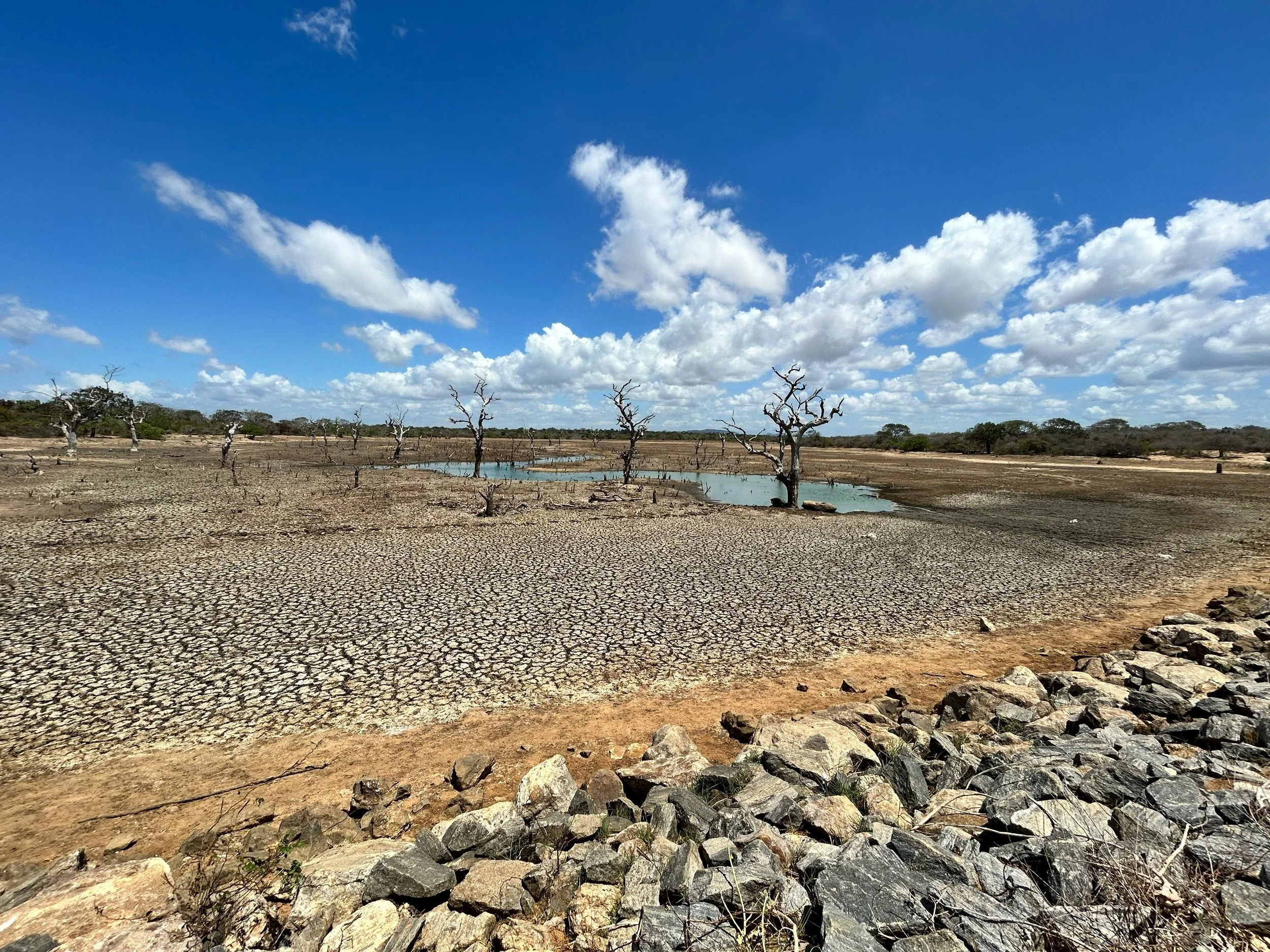
Rising temperatures have caused higher evaporation rates and made dry seasons more extreme. Half of all water dams in the North West are below 50% capacity, meaning the reserves meant to cushion infrastructural failures are quickly depleting. This further increases demand for clean water, not for drinking but for irrigation. When the crops do not receive the necessary hydration, farmers see a weaker harvest, resulting in both a smaller amount of sellable product and less food on the table. The availability of clean water therefore affects civilians' income, nutrition, and hygiene, in addition to basic daily hydration.
Sanitation Services
The failure to provide water services is deeply intertwined with that of sanitation services, another infrastructural issue frequently mentioned in the SAHRC report. Lack of sewage maintenance has allowed ill-preserved pipes to become blocked or burst, causing sewage to leak into rivers, streets, and even homes. Sewage leaks subsequently contaminate the natural environment, worsen road quality, damage houses, and pollute the little clean water North West residents have access to.
Furthermore, the failure to provide sanitation services has led to disease outbreaks across the province. Where there are sewage leaks, bacterial diseases like cholera, typhoid fever, and E. coli infect crops, food, and the little clean water that residents have. The scale of these outbreaks is exacerbated by poor road maintenance, as civilians must trek through deteriorated roads in order to read healthcare facilities.
Road Maintenance
The SAHRC report also highlighted poor road maintenance as a crucial service the North West has failed to provide. The root of the issue is a lack of government funding, inflated costs, and a lack of qualified personnel to effectively repair roads. The issue appears to be larger than the government is willing or able to undertake. With a provincial road network 19,783 kilometers (12,292 miles) long, only 5,419 kilometers are paved. Some estimates claim that it would cost over 400 billion rand to repair and pave the remaining roads, a figure that is over 13,000 times higher than the current 30 million rand that the North West province currently allocates to rod maintenance.
The lack of reliable roads prevents water trucks, ambulances, and sanitation crews from accessing rural communities. In order to attend school or work, individuals are forced to walk through flooded streets or navigate unsafe roads. The poor road maintenance in the province has thus infringed on the constitutional rights of civilians to freedom of movement, security of person, and the rights of basic education and healthcare.
Not only are these living conditions unconstitutional, but the failure of municipalities to ameliorate them further violates the constitution. The constitution explicitly states that the purpose of local government is to provide services to its constituents in a suitable manner. Furthermore, provincial governments are mandated by law to support, strengthen, monitor and intervene where municipalities fail to fulfil their constitutional obligations.
Directives For Change
On October 1, North West residents initiated a days-long protest to draw attention to their government’s failures. Civilians in the Tsetse village blocked major roads with tree branches and stones, demanding immediate intervention to address the water shortages. Local committee members like Olebogeng Molotwane were in attendance, stating that the committees’ attempts to engage the municipal and provincial authorities had proved ineffective. “We have written countless letters to the municipal water department,” Molotwane told News24, “However, we receive only empty promises that officials will come to address the water issues, with no subsequent action.”
Though the protests did not appear to stir the North West government, the SAHRC had already taken notice of the crisis. Beginning in August, the commission observed the 84 pending complaints by residents regarding service delivery, and found that most attempts by the province to address such complaints were inadequate, incomplete, or only resulted in a temporary solution.
The SAHRC report concluded with directives to the affected municipalities in an effort to improve service delivery. The report mandates that these municipalities establish action plans within 90 days to permanently address systemic challenges in service delivery. The report also mandates that municipalities must rectify the environmental damage caused by the sewage, waste, and illegal dumping.
Furthermore, the report dedicated several pages to each of the 14 municipalities that they claimed had violated human rights. These pages detail specific directives to these municipalities, laying out plans to follow when new complaints arise. The coming months will demonstrate how municipal governments are responding to the report and whether or not communities will be alleviated of the burdens imposed by governance failures.