
Mzansi Now: Scanning, Scanning: South Africa’s Facial Recognition Policy - Another Form of Apartheid?
Evgeniy Shkolenko
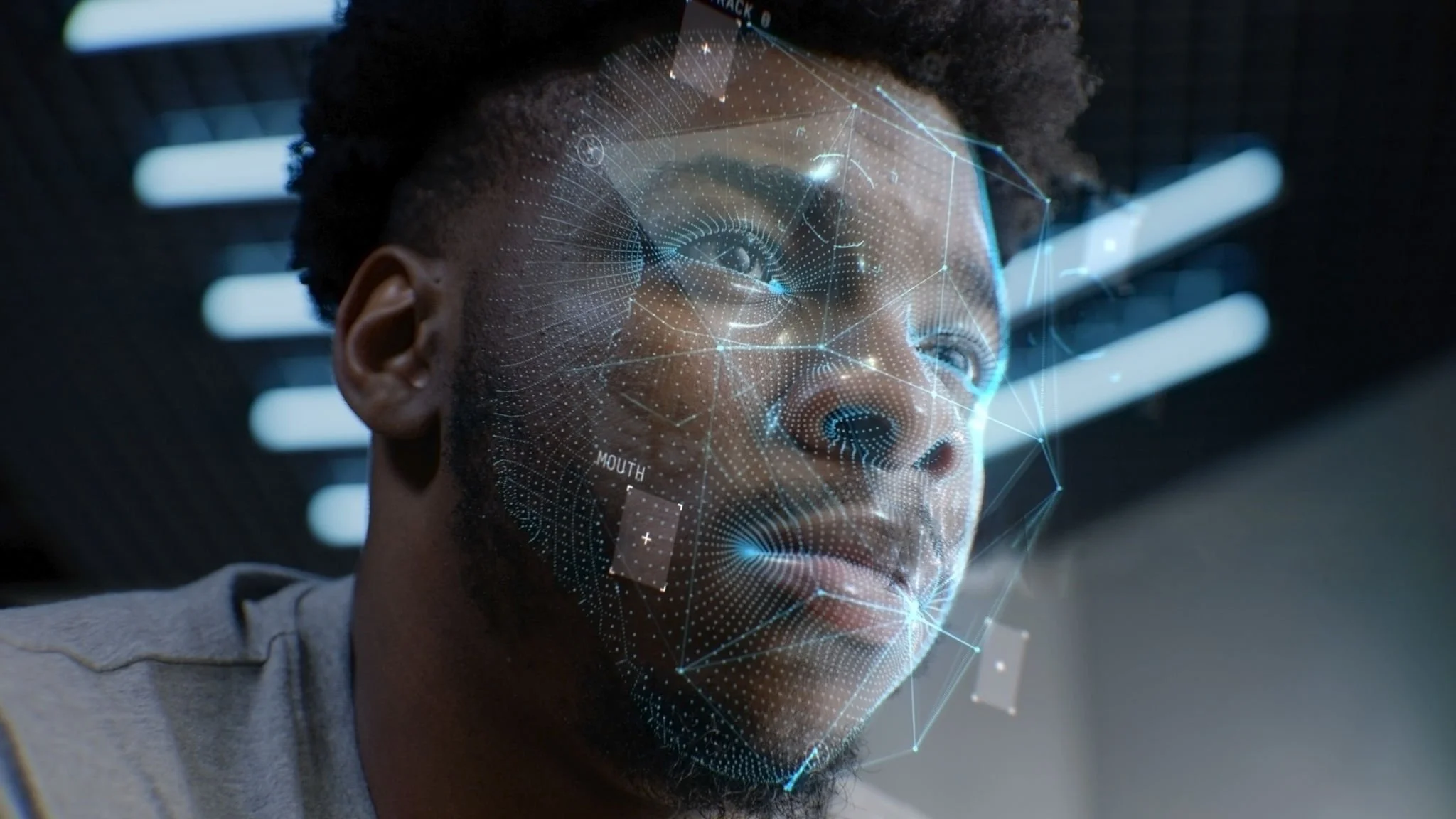
As South Africa continues to grapple with persistently high crime rate, it has been quietly rolling out facial recognition surveillance systems across its urban centers as a technological solution to policing. As a result there is growing attention around facial recognition systems, with critics arguing that they not only erode citizens’ privacy, but also reinforce the discriminatory practices of apartheid as Black citizens are more likely to be the subject of surveillance than white citizens are.
Facial recognition systems, especially when deployed on a national scale, typically face strict regulation, as mass surveillance is widely seen to threaten fundamental rights such as privacy and freedom of movement.The question, then, is how is South Africa implementing these systems and how objective can their use be?
Safety First
According to South Africa’s Protection of Personal Information Act (Popia or POPI Act), the consent of the data subject is crucial to the usage of the subject’s facial biometrics, and that personal information can only be processed for specific and legitimate reasons that have to be clearly defined.
In Cape Town, for example, the stated motivation for the use of CCTVs is to achieve a safer ‘smart city’, meaning a place where technology is used to automate surveillance, generating intelligence for companies and governments. The Gauteng Provincial Government has highlighted the capability of CCTVs to improve public safety and complement the work of law enforcement. More than 2,000 CCTVs have already been deployed across Cape Town and more than 7,000 across Gauteng province as of 2026. It is said that the function of the CCTVs is to tackle the rising crime rate in South Africa, as the newest facial recognition system is capable of identifying features of individuals and license plates – an airtight surveillance of South Africans’ movements.
But What About Their Privacy?
In practice, the regulation surrounding the POPI Act is loose and ambiguous, meaning that the biometrics and movement of the South African citizens could be used for undefined purposes. Furthermore, the merging of private entities and government initiatives has only increased concern over the invasion of citizens’ privacy. Vumacam, a South African private company, is the sole provider of CCTVs across South Africa and has unrestricted access to CCTV footage that is transmitted real time to Vumacam’s database.
Vumacam is the first international reseller of Flock, a controversial surveillance camera producer based in the United States. Flock has been caught sending private data to unauthorized entities. It builds CCTV infrastructures across South Africa and private entities such as Fidelity, a private security company, are allowed access to the footage without court order by paying a monthly subscription fee. The availability of money-bought access to CCTV footage across South Africa exposes a shadow pocket in which private entities operate within to deprive the South African population of their privacy.
Ricky Croock, Vumacam CEO, has repeatedly emphasized that the company complies with the Europe’s General Data Protection Regulation (GDPR), which the POPI Act is modelled after, takes extra measures to ensure the usage of CCTV footage is privacy-compliant, though Vumacam’s practices are still largely unregulated by the government.
An Illegitimate System?
A 2019 report by the National Institute of Standards and Technology examining facial recognition algorithms by 99 developers found that it is up to 100 times more likely for algorithms to misidentify people of color than white people. This raises questions about the suitability of deploying a facial recognition system across South Africa before the system is sufficiently mature for a predominantly black South African population.
The use of facial recognition systems has also prompted allegations of reviving the trauma and practices of apartheid. Reports have shown that CCTVs populate predominantly white areas, and that their distribution reflects the geographical boundaries of the apartheid era. The clutter of CCTVs in privileged, predominantly white areas could potentially displace crime toward areas with less surveillance, undermining safety in financially deprived areas.
What’s Next?
The implementation of facial recognition systems across South Africa is irreversible. but South African government bodies are already responding. Vumacam has been investigated under allegations of violation of privacy under bodies like the Private Security Industry Regulatory Authority (PSIRA),a body regulating the South African private security industry, and the Information Regulator of South Africa. The outcome of these investigations will set a precedent for South Africa’s surveillance system, and whether the infringement of individual rights become recognised as a sacrifice for the purpose of safety.