
Far East: Tackling Youth Suicide, Bullying, and Violence in Bhutan
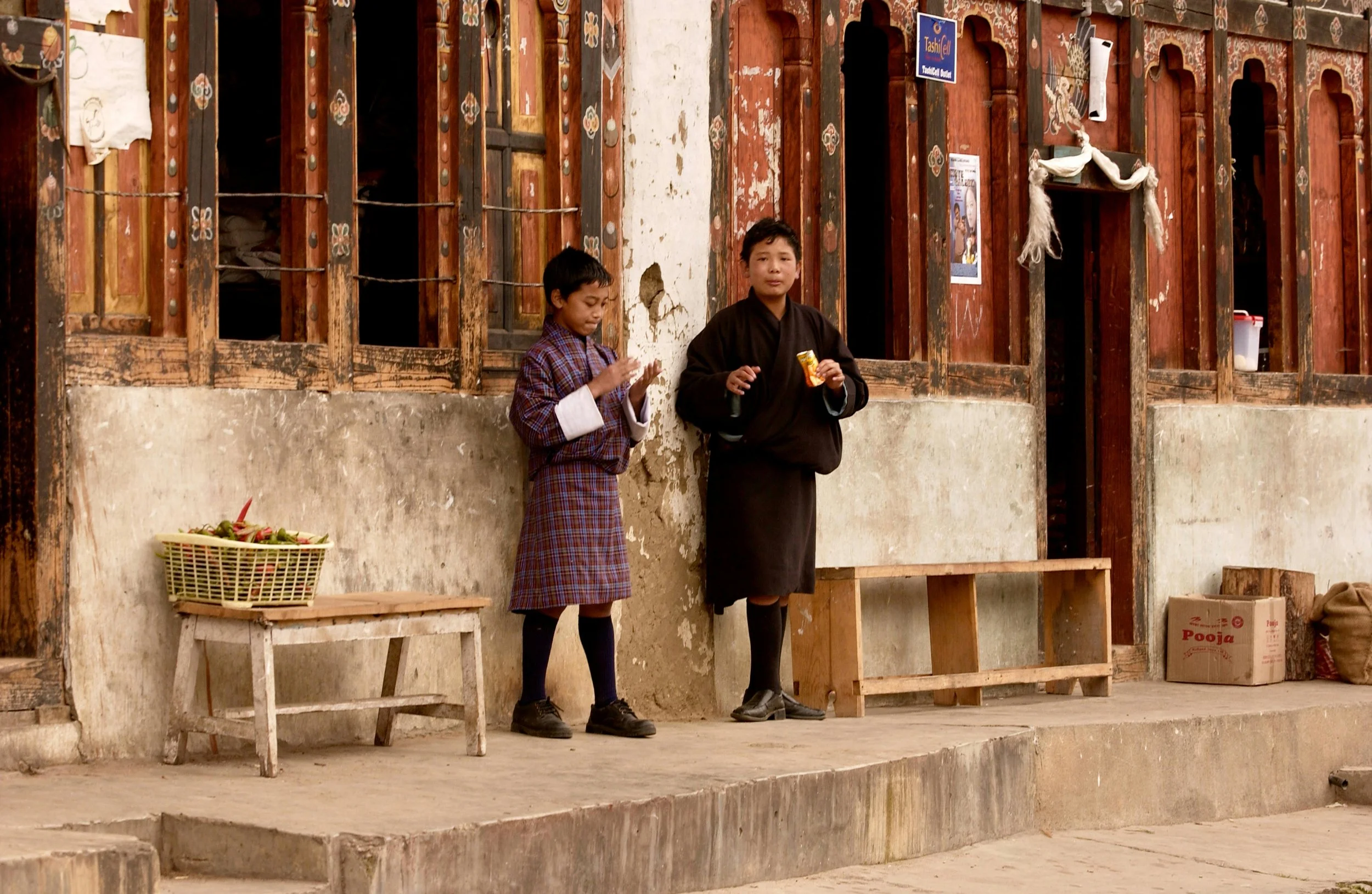
bradford zak
In Bhutan, for around every four suicide deaths in the country, only one attempted suicide is officially recorded.
In 2025, WHO Regional office for South-East Asia conducted a research on self-reported experience of violence among young adults in Bhutan, and the result revealed a high prevalence of pattern among adolescents aged 13 to 17 years-old. Within this age range, 60.7% experienced at least one of these followings: sexual abuse, bullying, and physical attack. More alarmingly, around 40% of them reported that they had experienced a serious injury in the past 12 months preceding the survey. With these statistics in mind, it’s crucial to remember that more than 41% of Bhutan’s population is under age 24, and over 42% of those young people are adolescents aged 10 to 19 years old.
Furthermore, the WHO research analyzed potential contributing factors, finding a positive correlation between experiences of violence with suicidal tendencies, poor parental understanding of their problems, stress, use of tobacco, and the male gender. More specifically, a significantly high prevalence of violence has been experienced by male adolescents, who consumed alcohol and tobacco and had a suicidal tendency. This correlation indicates that these factors do not stand in isolation but cluster together, creating a self-reinforcing cycle of harm for a vulnerable demographic at the core of Bhutan’s future.
An estimated 7.1% of students attending school aged 13–17 in Bhutan reported experiencing sexual violence, a number that surpasses that of countries in Europe, Central Asia, and most other parts of Asia. In other words, about one in 14 students in this age group has been sexually assaulted or abused.
One of the leading consequences is reflected in educational attainment. When looking at drop-out rates, annual data collected by Bhutan’s education statistics department reflected an increasing trend, from 5.8% in 2021 and 10.5% in 2022, to 12.5% in 2023.
Challenges
There is a lack of a comprehensive counseling framework or system for school in Bhutan, accompanied by a teacher shortage, according to data from 2023. Reports show a lack of social support, stigma, and overwork and burnout risks for school counselors, and efforts from the government and policymakers to address these challenges could be a vital key to alleviating the serious mental health issues that students are experiencing.
The mental health system also faces substantial challenges. Firstly, there is a significant lack of professionals in the country, with only four psychiatrists working in Bhutan as of December, 2025. Secondly, the system only received 1% of Bhutan’s total health care expenditure. Thirdly, poor infrastructure is limiting the system, with only 100 beds in 63 community-based psychiatric units across the whole nation. Fourthly, the education and awareness on mental health issues remain limited, especially in remote areas. The list continues.
Remote areas faced an even greater shortage of professionals, as advanced care is almost entirely consolidated in urban areas. Additionally, families often choose not to access mental health care institutions due to a combination of unawareness, stigma, and limited resources and financial support.
Commitment
In November 2024, at the first global ministerial conference on Ending Violence Against Children in Columbia, Bhutan — one of the only four South Asian regions that joined the conference — committed to implement a multi-sectoral approach to expand the child protection system nationwide.
By 2026, the government aims to expand school-based parenting programs, anti-bullying initiatives, and well-being programs in all schools nationwide.
Alongside with efforts from RENEW (Respect, Educate, Nurture and Empower Women), which was founded in 2004 by Her Majesty The Queen Mother Sangay Choden Wangchuck, in Bhutan, projects are conducted, targeting child and female and also those who are victims of abuse. For example, aiming to address potential sexual violence and improve the nation’s sex education, RENEW launched teachings on contraceptive method and the safety of pregnancy and childbirth.
Conclusion
Violence, bullying, and mental health challenges among Bhutanese youth are widespread, and they are closely associated with suicidal behavior, substance use, and school dropouts. The problem is further exacerbated by limited mental health resources, professional shortage, lack of education, and continuous stigma that prevent one from seeking help.
Therefore, most importantly, effectively addressing these challenges requires urgent attention and sustained, coordinated efforts from all levels, coming from the government, schools, communities, and civil society.