
South Pacific: Papua New Guinea’s Road to Recovery
afp
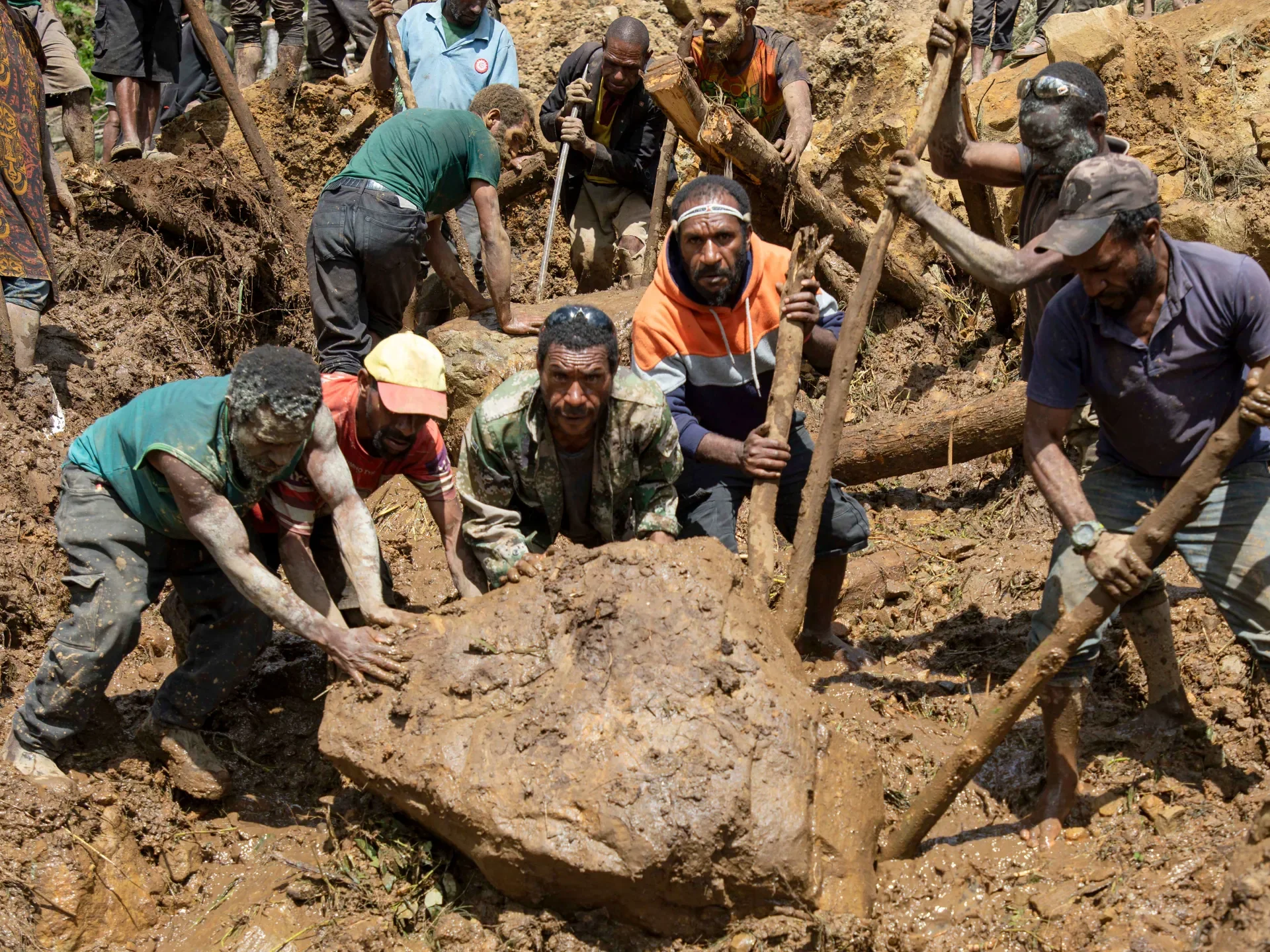
On the 24th of May, 2024, Papua New Guinea was hit with a catastrophic landslide in their Enga Province that has left devastating repercussions the country still lives with. However, how they responded to this shows the important steps a nation can take towards climate adaptation strategies, global discussions, and building a path forward. Devastatingly, estimates of casualties are between 670 to 2,000 people (according to the UN and the PNG National Disaster Centres estimates). This led the nation to officially declare a state of emergency three days later and assistance was requested from the international community .
Besides international attention and pledges to help the nation, Papua New Guinea also re-launched their Mulitaka Disaster Recovery plan in November 2024. This plan targeted climate adaptation solutions to secure the soil showing initiative to target climate change. In addition, the government looked at long-term resettling solutions for new areas that were almost guaranteed to not have such a huge amount of casualties again. They’re also developing technology that would allow early evacuation or preparedness for residence. Finally, this tragedy allowed them to have serious conversations globally about the repercussions of climate change. Combined with the fact that many other countries and massive organisations were supporting and listening to Papua New Guinea's road to recovery, they had a unique opportunity to leverage some respect.
The Scale of the Disaster
The physical magnitude of the disaster was massive, with 25,000 m² being the collapse area and another 72,000 m² of debris was spread, sometimes being 20 m thick. It was so strong that it could be seen 480 km away. Within this chaos approximately 150 houses were buried and potentially up to 8,000 residents impacted. Casualty numbers are so unclear due to the scale of the disaster and the area being generally less developed, but estimates are still upwards of 670 people minimum. Main roads were also destroyed, including the only road to major city Yambali, forcing them to prioritise restoring connectivity to this critical transport artery that was severed by the landslide. Rescue efforts were also complicated due to the terrain and infrastructure damage making immediate recovery much harder. The country was in a state of emergency and at this point needed help externally.
The International and Diplomatic dimension
The Australian Government was immediate with their response, committing to provide an initial $2.5 million in humanitarian assistance. According to the government website, they also acted in direct response to the Government of Papua New Guinea’s request and sent technical experts to Papua New Guinea to provide incident management assistance, support geohazard assessments, and to inform early recovery efforts. In addition to all of this, Australia provided emergency relief supplies to the local communities in the landslide area, such as hygiene kits, medical supplies, shelter and specific support for women and children.
“All Australians will be thinking of Papua New Guineans at this very difficult time. [...] As a close neighbour and friend, we will be doing all we can to provide support.” – Deputy Prime Minister, the Hon Richard Marles MP
Notably, New Zealand and Japan also granted NZ 1.5 Million dollars and USD 2 million respectively as well as helping provide expert assistance in areas similar to Australia’s support, such as Urban Search and Rescue. Other major bilateral governments that gave support in varying ways include: United States, India, China, United Kingdom, and the European Union. In addition to government support many international organisations and NGOs provided relief, with countries mentioned above also opting to pledge financial assistance via these systems. Some key helpers include several of the UN’s agencies coordinating a response that targeted every aspect. Other agencies included: World Vision, IsraAID, PN Red Cross, and Australian NGOs.
However, external assistance can only provide short-term relief, the responsibility for long-term solutions ultimately rests with the national government. As the emergency phase transitioned into recovery, attention turned inward, toward how they would rebuild, relocate vulnerable communities, and confront the structural vulnerabilities that made the disaster so devastating.
The Government’s Recovery and Adaptation Response
In November, 2024, authorities working with the United Nations Development Programme and RedR Australia re-launched the Mulitaka Disaster Recovery Plan. It outlined measures aimed at rebuilding infrastructure, relocating high-risk communities, and strengthening geohazard monitoring systems. The plan prioritises slope stabilisation, improved land-use planning, and the development of early warning technologies to reduce future loss of life. Beyond reconstruction, it signals a broader commitment to climate adaptation in one of the Pacific’s most disaster-prone regions. It includes reforestation of unstable slopes, bio-engineered stabilisation measures, and community-based agroforestry initiatives designed to reduce future landslide risk and strengthen long-term resilience. The plan also displays consideration of cost proving it to be a legitimate plan with real time decisions on spending (K87 million or 20.26 million USD).
The Future
The devastation was not only a tragedy caused by natural disaster, but a realization of the reality that Papua New Guinea's terrain makes them incredibly vulnerable. If not designed specifically to combat the erratic weather coinciding as climate change changes the course of nature, they could be in serious danger. International partners' fast responses did highlight their strategic importance in the South Pacific, but it was simply a short term solution.
The devastation brought out the initiative to manage disaster relief with their Mulitaka Disaster Recovery Plan, showing the government's ability to translate policy into protection. If effectively delivered, the plan could mark a turning point in how the nation confronts environmental risk. If not, landslides risk becoming another entry in a growing list of preventable tragedies. Papua New Guinea’s road to recovery will ultimately be defined not by promises made during the crisis, but by resilience built in its aftermath.