
China View: Behind Protests Wage Arrears And Economic Strain In Guangdong
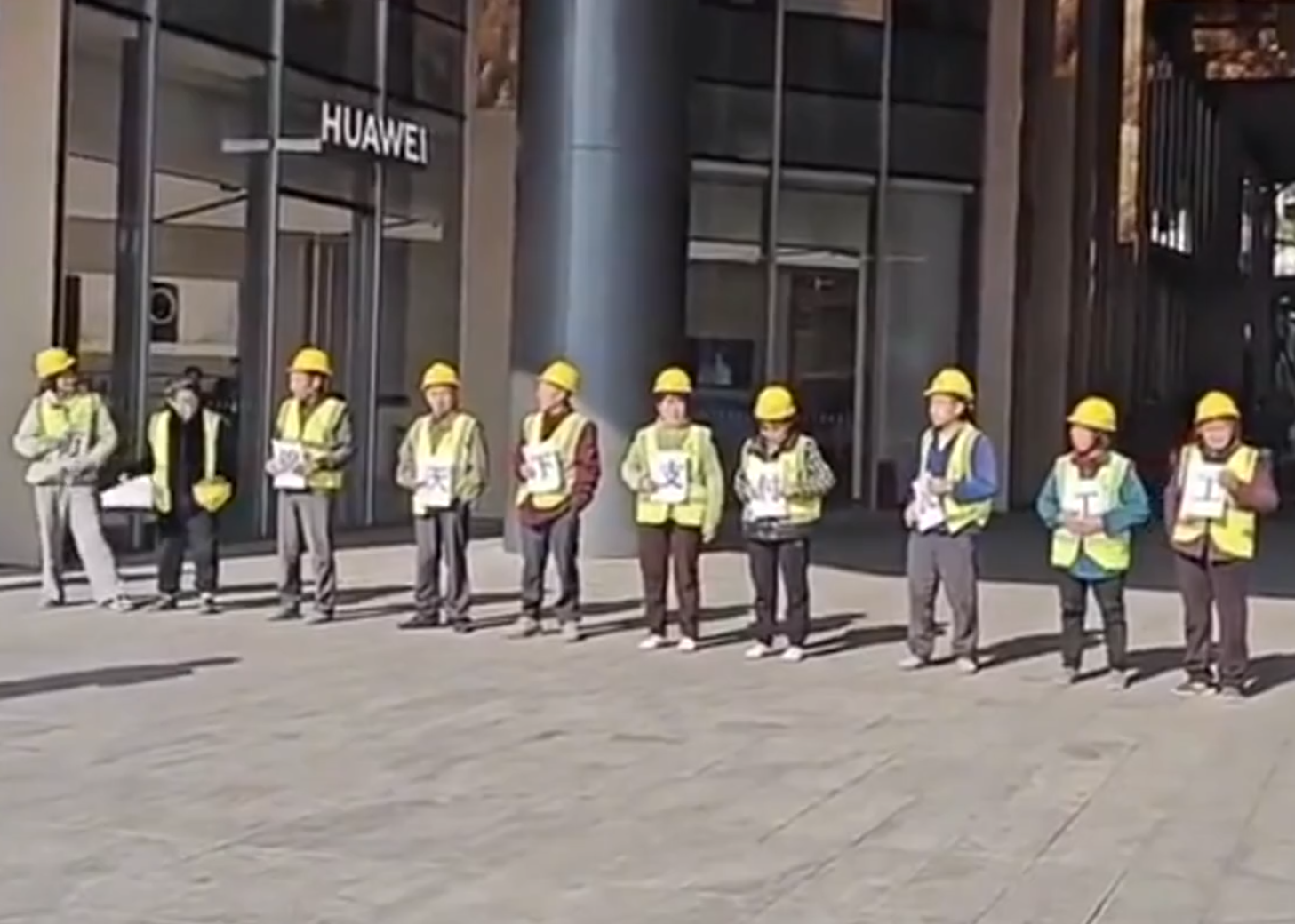
The United States has imposed high tariffs on China's manufacturing industry, China's manufacturing output has not been significantly affected. However, foreign capital flight and high-pressure labor conditions have caused frequent labor protests in various provinces.
On January 14, 2025, a construction worker in Guangdong climbed onto a roof, threatening to commit suicide unless his wages were paid. This heart-wrenching scene highlighted the ongoing labor issues faced throughout China. Guangdong ranked first among Chinese provinces in GDP in 2025, reflecting its consistently improving economy. In 2025, the region's GDP rose to $2 trillion, and the per capita GDP increased to $15,950. Urban residents earn a per capita disposable income of $9260 USD, while rural residents earn $4274 USD. In Shanghai, the urban-rural income disparity ratio is 2:1. Guangdong's income disparity is significant, with a ratio of 2.27:1. By 2025, Shanghai had 73 labor protest incidents, while Guangdong had about 4.4 times as many. Given that most protest incidents occur at the grassroots level, the income levels can reflect the social dynamic pressures in the province. Guangdong is experiencing rapid urbanization and industrialization. As a result, the income disparity between urban and rural areas is likely to persist.
A survey from Freedom House stated that recent protests in China have been concerned with issues such as unpaid wages, cutbacks on benefits and salaries, and property rights. Labor disputes have been common in China. In Fujian, a province neighboring Guangdong, a shoe manufacturer postponed wage payments, leading to a strike by hundreds of employees. The recession that followed the pandemic has contributed to rising dissatisfaction among society in China, particularly as traditional industries face significant challenges.
Manufacturing heavily relies on Guangdong, and the worsening China-U.S. trade war forces Chinese factories to lay off workers. Wage disputes and conflicts between workers and the government are arising in Guangdong. In 2025, Guangdong Higher People's Court concluded a total of 63,400 first-instance labor dispute cases, 324 laborers' protests, and 24 strikes; however, this situation is deteriorating, and these protests have escalated to workers collectively threatening to commit suicide.
Despite Guangdong's GDP increasing by US$434.3 billion in 2025 compared to 2021, reaching approximately US$2.17 trillion, this growth has not resolved labor disputes. Despite the GDP growth in Guangdong, it has not led to the resolution of labor disputes. The main reasons are the low industrial level, low per capita income, and the difficulty in transferring surplus rural labor. Additionally, the high tariffs imposed by the United States on China have led to the gradual transformation of Guangdong's traditional industries. The Pearl River Delta in Guangdong, the most concentrated area for foreign trade, has seen many factories close. The primary reason for this decline is that foreign companies have begun relocating to other countries with lower production costs to avoid tariffs.
In the period from 2021 to 2025, the profits of large industrial enterprises have decreased from roughly $12.6 trillion USD to less than $10.7 trillion USD, representing a decline of approximately 15%. Provinces like Guangdong, which focus on exports, have shrinking profit margins that result in less flexibility to accommodate increasing costs and tighter cash flow situations.
Guangzhou and Foshan in Guangdong are crucial hubs for China's auto parts manufacturing, with a total of 164 labor protests. On February 23, 2025, a social media platform, X, reported an arson retaliation incident at a Guangdong shoe factory. The workers, frustrated by not receiving their wages, resorted to setting fires to express their discontent.
According to IMF data, China's auto parts exports to the U.S. accounted for 12% of the U.S. import rate from the beginning of the China-U.S. tariff war in 2018 until 2025. Additionally, China's steel and aluminum exports to the U.S. have also been in negative growth.
The weakness of labor rights in China is not an uncommon issue but stems from relaxed regulations on local labor concerns and international political influences on the domestic economy. Such a situation directly impacts the livelihoods of workers by affecting their wages and working conditions. Furthermore, the lack of effective enforcement of labor laws and regulations in China has also led to widespread wage arrears. Due to workers passively consenting to the actions of enterprises, the state, and existing labor conditions, how can a poorly enforced labor law system motivate workers to utilize legal tools for resolving labor disputes or to comply with the law when taking action?
Conclusion
According to China's Labor Arbitration Law, workers can apply for a payment order with the mediation agreement if an enterprise fails to pay overdue wages within the agreed period. The Local People's Court should issue the payment order as per the provisions of the law. Yet, there are no specified penalties for companies that do not adhere to the regulations. Moreover, the lack of clear employment regulations for mediators in dispute resolution organizations has led to wage delays and refusals of mediation by enterprises, sparking protests by workers in Guangdong.
