
India Insights: The Land of Gods: Uttarakhand’s eco-tourism push to promote ecology and keep the hills alive
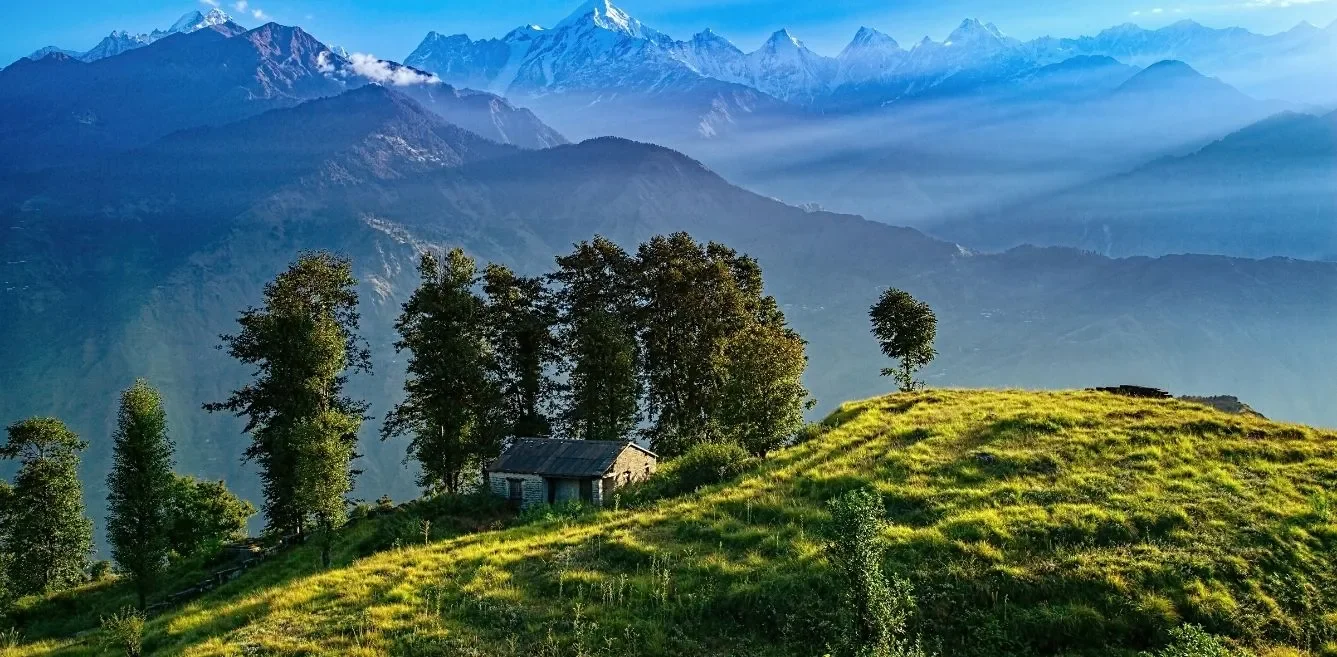
Known as “Land of Gods”, Uttarakhand is famous for its natural beauty and religious sites. The state is home to rare species of plants and animals, such as Bengal tigers and leopards, as well as several parks, including the oldest national park in the country, Jim Corbett National Park. Bordering the Himalayas, 86% of its terrain consists of mountains and 65% is covered by forest, where 12% of it is protected area.
As result of the region’s immense beauty and religious pilgrimages, tourists have increasingly been visiting Uttarakhand, leading to a statewide push toward promoting eco-tourism policies. These policies are focused in conserving the environment from the growing touristic presence, in addition to creating jobs for the local community, which is another issue for the state. Due to low job prospects, a poor educational system, and nearly no climate resilience, families that live in the mountains are forced out of their homes. Uttarakhand hopes to combine and treat these matters simultaneously. Through addressing forced migration and eco-tourism together, the state desires to improve environmental conservation and decrease the migration to urbanised centres, such as Delhi and Dehradun. The core question raised by this issue is: can Uttarakhand’s efforts improve eco-tourism while also preventing such migration and increasing conservation?
Eco-Tourism in Uttarakhand
Uttarakhand first introduced tourism policy in 2001, where the aim was to attract tourists and investors to develop private infrastructure. The overall goal was to solidify the state as tourist destination both domestic and internationally. Currently, the state is boosting eco-tourism through investments in developing sustainable tourism in the Himalayan region and improving the current infrastructure, such as building a 40,000-acre development around Tehri Lake and new luxury hospitality investments. In 2023, the government of Uttarakhand launched an eco-tourism policy, where one of its goals is addressing migration. The foremost aim of the scheme is to develop good quality accommodations, in addition to promoting new jobs within the tourism branch.
There are other objectives that are of great importance to the state, such as empowering local business owners and including them in important projects. Regarding local employment, the scheme is set to prevent local communities from moving from rural areas towards centres, as the arrival tourists will organically generate employment opportunities in the countryside. The government also foresees that through developing tourist destinations that built upon the mindset of sustainability, the attractions will be effectively protected. Since the state is not industrialized nor urbanized, the tourist sites are within the natural environment and must be protected from the growing wave of visitors. The most frequented places in the state have recently seen non-sustainable usage of local resources and high tourist traffic
To transform Uttarakhand into a tourism hub in the world, the state must cultivate a partnership with the local population and private investors. Only through a harmonious collaboration between three pillars will the tourism sector be both sustainable and profitable. The 2023 policy will remain valid until 2030, and it will be reevaluated once that year arrives. This policy envisions regulating and promoting good practices in tourism, in addition to providing good accommodations, tours around the area, creation of new means of transportation, and new activity sites. The regulation will be overseen by the government, whereas the investment will come from the private sector, and the population will be included by being employed in the sector. This trinity will ensure a good functioning of the tourist sites simultaneously to conservating the environment. Additionally, the industry is set to employ two million citizens, where women will account for 30% of the workforce. Tourists’ stay is also likely to increase, reaching an average of four to five day trips. Beyond job creation, tourism has also incentivized for economic expansion and socioeconomic growth, as well as foreign investment.
Uttarakhand Mountain Migration
As 86% of the region comprises mountain terrain, natural disasters are common. When they occur, the population and tourists are drastically impaired. Families are being forced out of their mountainous villages, due to factors such as poor climate resilience, lack of job opportunities, debilitated educational system, and political decisions where the priority is infrastructure instead of public wellbeing. As a result of the current climate crisis, the life in the mountains is growing increasingly disrupted. The mountains are at the nucleus of regional agriculture and water supplies. Uttarakhand has thus progressively faced more hostile climate situations, such as erosion, flooding, and even landslides. For those who on steeper locations, the risks are even greater. Moreover, glacier reserves have significantly decreased, which will likely lead to migration from the western Himalayas.
Regarding the educational sector, the lack of teachers, technology access and infrastructure also contributes to migration. UNESCO has concluded that several rural schools in the country do not have access to basic educational necessities and materials. Several villages in the hills are concerned with building roads, developing an improved tourism infrastructure and real estate. However, the local population is not largely helped by the tourism industry, as these jobs are seasonal and uncertain. Most citizens are dependent on agriculture, pastoralism and small crafts, which is now threatened by climate change. Studies have displayed that a great portion of villages have been completely or partially abandoned, and those who still live there are often older and poorer. The UN suggested a strategy to minimize damage and promote improved livelihood in the mountains; the plan covers:
Glacial lake monitoring and climate focused risk management.
Improving digital access in schools and learning centres within the villages.
Micro-enterprises and climate-resistant agriculture.
Providing scholarships for students to attend vocational colleges.
Government policies towards job creations, education and environment improvement.
Urbanisation vs Conservation
Due to the promotion of eco-tourism, a question is raised: will the efforts lead to urbanisation or conservation? The state has been attempting to enhance an industry without damaging the already unstable environment. Nonetheless, one may think that urbanisation and conservation are at opposite ends of the spectrum, which will lead Uttarakhand to failure. The development of new accommodations and attractions must be done in a way where the environment is minimally impacted, which is complicated. The government of Uttarakhand is found in a nuanced position, where one road leads to employment growth, but at the cost of the environment; and the other protects natural life, however, furthers migration. The region must decide what is the priority and how to create a balance to minimize damage in either aspect. Overall, the state has been conducting promising policies to address migration and eco-tourism, however, more attention to this tension is required, otherwise they will struggle to solve this conundrum down the line.
