
Across ANZ: Far North District Council Scrutinized For Unelected Committee Members
far north district council
The Far North District is a territorial authority district in New Zealand located at the northern tip of the North Island. New Zealand is divided into 67 territorial authorities (TAs), which are responsible for maintaining local infrastructure, creating regional bylaws, and protecting against individual bad actors within themselves.
Each TA holds elections once every three years, with all voting being done by mail. All eligible voters are divided into the general roll and the Māori roll, which decides which election you will participate in. Most New Zealanders fall under the general roll; those of Māori descent are given the option to be on the Māori roll, wherein they will instead vote for specific Māori constituencies. TAs are largely responsible for handling their own elections, with the overall New Zealand government delegating the responsibility to them, maintaining a mostly hands-off role in these elections.
In the Far North District, the local council is composed of ten council members as well as the mayor, Moko Tepania. All of the council members and Mayor Tepania are elected officials, having undergone the standard election process in order to gain their positions. However, the council also maintains the Te Kuaka Committee for Māori Strategic Relationships, which has come under scrutiny recently due to its members not being elected officials.
This committee is composed of ten members, two of whom are directly appointed by the council. The remaining eight members are appointed by the two initial committee members. These members act as representatives from the Hapū and Iwi tribes, which are major Māori subtribes that have large populations within the Far North District. This committee serves to provide a larger voice to the Māori community in the TA, as they make up about half of the total population.
Following the recent vote by the Far North District Council, the Te Kuaka committee would officially have its members appointed for the first time. This vote passed, with nine council members voting in favor of it. At the same time, many locals were against the resolution, finding that unelected individuals should not have a place on any committee of the council.
Public Opinion
This public response became a much larger outcry following Councillor Davina Smolders’, a recently elected member of the Far North District Council, call for the central government to intervene in the creation of the Te Kuaka committee. Additionally, Councillor Smolders went on a major podcast and referred to the resolution and decision to appoint members to the committee as “illegal”, “undemocratic”, and “co-governance on steroids”. This is not Smolders’ first time calling for larger oversight over the Far North District, yet previous attempts have not been successful in getting a Crown Observer to the TA.
These claims pushed the matter further into the public eye, getting the attention of MP Shane Jones. Jones has referred to Smolders’ actions as “pathetic” due to the standard of Territorial Authority autonomy from the central government. He claims that matters such as these should be handled at the council level, not taken to Wellington for discussion.
“When you sign up to be a councillor, you take on certain obligations and to me, it’s quite perverse that she’s running to Wellington and wailing that somehow Wellington has to come up to Kaikohe and solve their problems” - MP Shane Jones
Contrastingly, MP Cameron Luxton has taken the events from the Far North District and utilized them to garner support for his newly drafted bill, which would bar non-elected appointees from voting in official committee council proceedings. This bill encompasses the issues raised by Councillor Smolders regarding the Te Kuaka committee and expands it outwards to the whole of New Zealand.
Far North Council Response
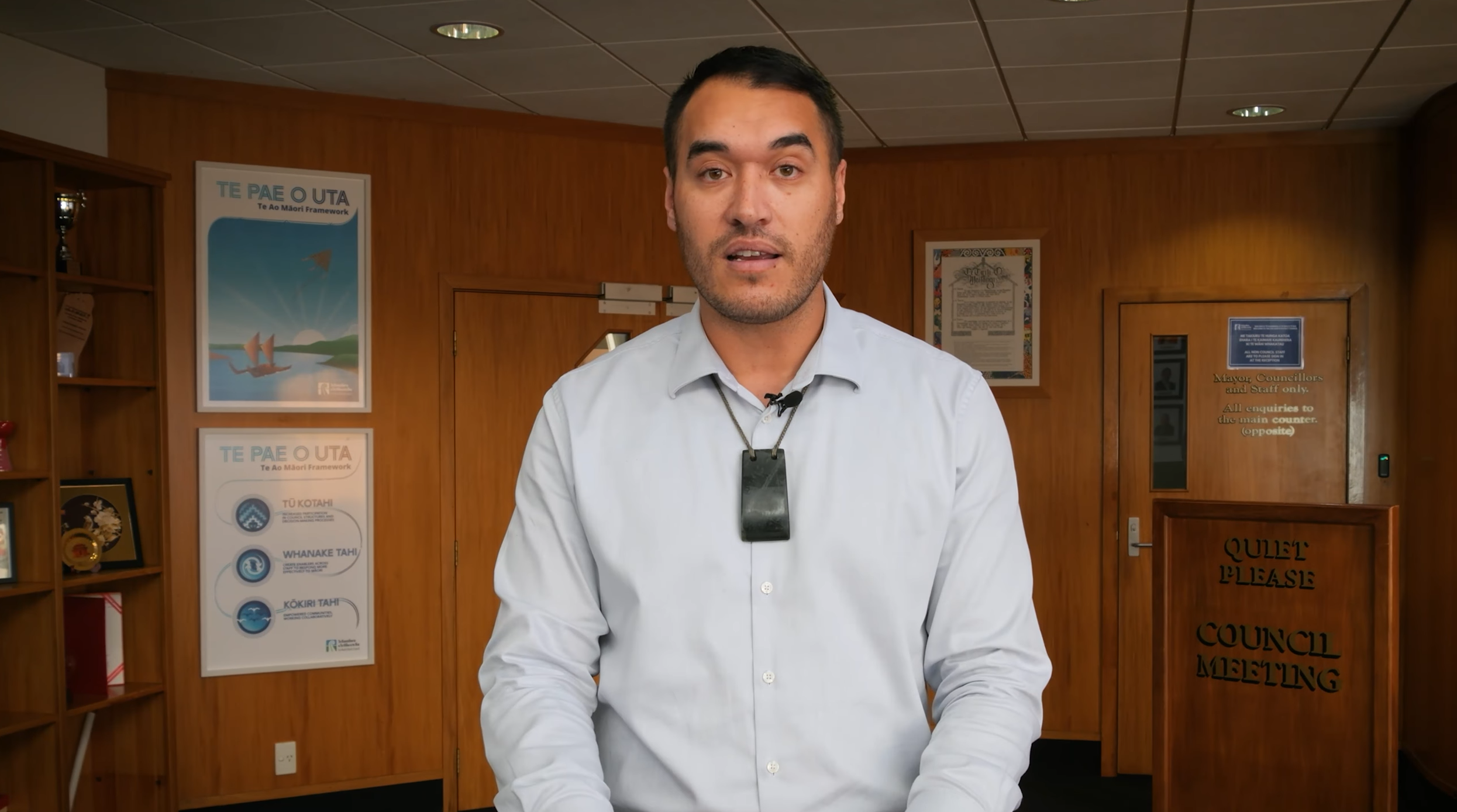
Following such widespread press, Mayor Moko Tepania released a video statement helping to clarify the situation and correct any misconceptions about the Te Kuaka committee. One key point Tepania highlighted was that appointed committee members did not have any voting power on the council, instead serving only as advisors to the council regarding decisions impacting the Māori community in the Far North District.
The Local Government Act states that committees are not permitted to manage certain tasks and must instead be handled by the main TA council. The purpose of this act is to ensure democratic accountability, with elected councillors being directly responsible for the major governmental actions within their respective territory.
In the implementation of the Te Kuaka committee, the Far North District Council has abided by the Local Government Act. The Te Kuaka committee does not have any actual authority or power within the TA; it does oversee the implementation of the Te Pae o Uta Te Ao Māori Framework, a set of guidelines created for the purposes of improving Māori inclusivity within the Far North District. In overseeing this, the Te Kuaka committee has no direct hand in the process, instead communicating with the council on how to improve said inclusivity further.
In addition, the Te Kuaka committee is described by the council as providing advice on how to further strengthen ties with the Hopi and Iwi communities in the Far North District. The actions of the committee have no direct influence over the council, instead serving to provide a voice to the large Māori community of the territory. In fulfilling this role, Te Kuaka does not violate any central government regulations on the role of committees within TA councils.
