
Across ANZ: One Nation Party Victory Marks Major Changes for Australia
reuters
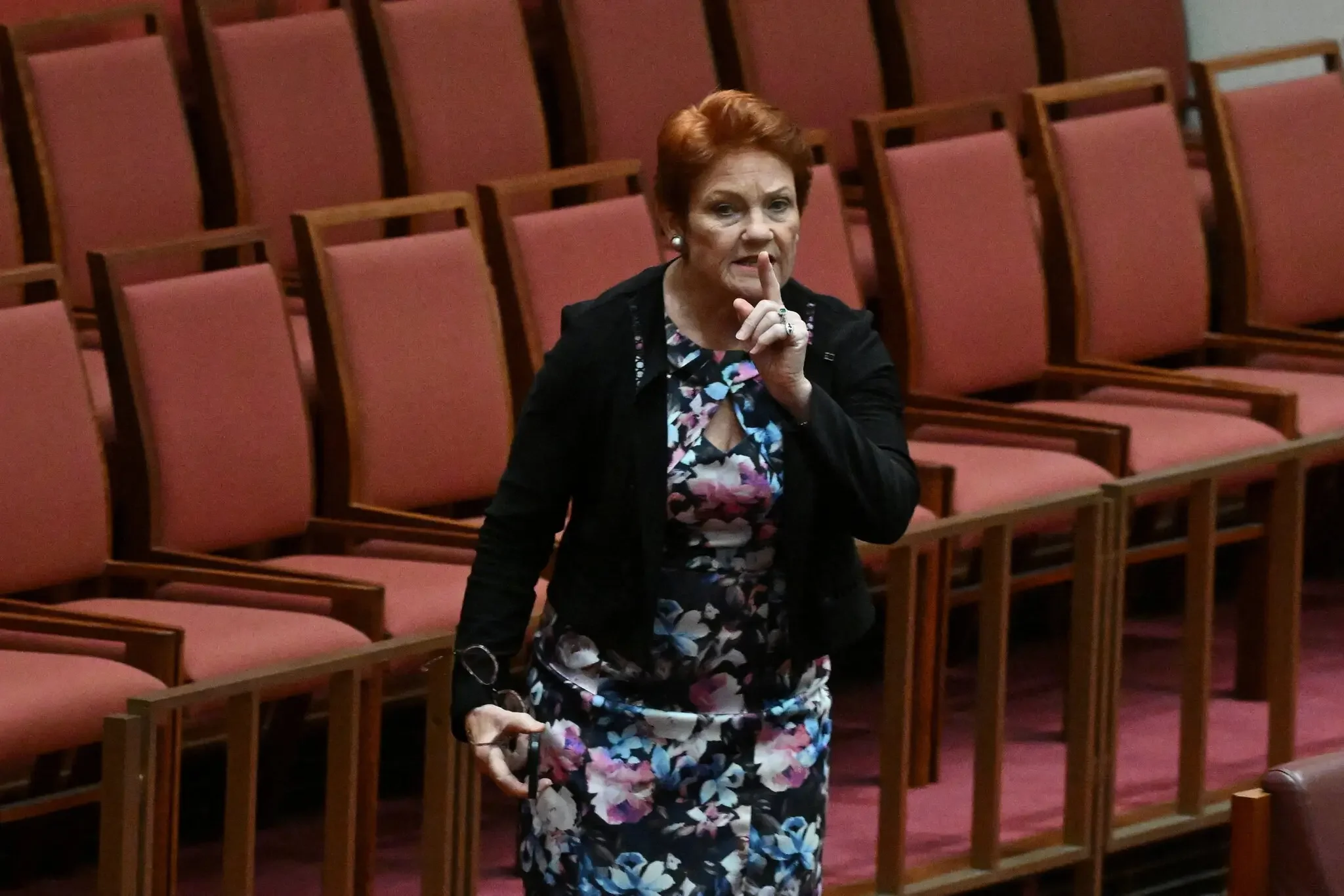
Pauline Hanson’s One Nation, more commonly known as One Nation, is a populist party founded by Hanson in 1997. In 1996, Hanson delivered her Maiden Speech in which she addressed immigration, national identity, and decreased government interference. These ideas were not realized at the time, following Hanson’s stepping-away from politics in 2003 after being imprisoned for voter fraud, which was overturned 11 weeks into her sentence. In 2013, however, Hanson returned to politics, rejoining the One Nation party and initiating the broader growth of the party in Australian politics.
Since 2013, the party has gained significant traction, holding four seats in the Senate and most recently gaining a seat in the House of Representatives. David Farley is the most recent elected official from One Nation, winning a seat in the Lower House of Parliament, a first for the party. Farley claimed victory in the Farrer district of New South Wales, achieving a sizable gap between himself and other candidates. Following his win, Farley proclaimed:
“We're like a mason with a chisel and we're carving letters into Australia's democracy, One Nation has reached the end of its beginning”
The victory in Farrer is not only a first for One Nation, but also a major loss for the Liberal-National Coalition, who has held the Farrer seat for nearly eighty years. Farrer has been a mainstay of the Coalition’s political hold in Australia, yet in the recent One Nation victory there has become something of a wake-up call for the Coalition. Across several decades, the Coalition has only seen major competition from the Labor Party, who has been overwhelmingly dominant across all of Australian politics. Now, the Coalition must recognize that their historic political homelands are not guaranteed to be safe from rising political parties.
One Nation Sparks Concerns For Australians
Many have expressed concerns for the growing support for One Nation, with some of their policies being interpreted as harmful to Australian society. Farrer is a large and diverse district, with notable indigenous and migrant populations. Many minority groups in Farrer believe Farley won due to his position on water management and agriculture, which was a major issue in the district, however there is also great concern over One Nation’s stance on immigration and indigenous rights. Australia as a whole is very diverse, having many migrant and indigenous communities across the nation.
One Nation has projected itself as an anti-immigration party since its inception in 1997, with the party now advocating for mass deportations and significant immigration restrictions. Some of the most inflammatory policies proposed by One Nation include the complete halting immigration from nations known to have prevalent extremist ideologies, limit issued visas to only 130,000 a year, and the deportation of over 75,000 illegal immigrants as well as visa holders who have broken any law.
There has been an expressed fear of deepened racial divide in Australia due to the growth of One Nation, as many of their policies and public statements have been construed as disparaging to minority and immigrant communities. In many parts of Australia immigrants and minorities make up large parts of the workforce, especially within agriculture, where Farley and the One Nation party have advocated for significant reforms. Despite the importance of migrants to the Australian economy, the One Nation party has continued to spread anti-immigration rhetoric which has only furthered concerns over racial division following the party’s growth.
The One Nation party has also publicized their policies regarding indigenous peoples in the country, with many of them being of particular concern to Aboriginal peoples across the country. One policy proposed by One Nation would halt the creation of new native land claims in Australia, limiting the amount of land reserved to indigenous peoples. In addition, One Nation has challenged the validity of past land claims, calling a 2022 claim, “a sick joke” and a “complete farce”. These claims have left indigenous people uncertain about whether or not the growth of One Nation is right for them and the nation.
As of now, One Nation does not possess any major political swing in Australia, with the Labor party still holding the overwhelming majority of seats in parliament. Despite this, One Nation’s victory and current growth represents an important shift in Australian politics. Across the world, far-right populist parties have been gaining footholds and taking more space in government. Parties such as these rely heavily on public dissatisfaction with current systems, advocating for major changes and challenging current political institutions. In Australia, One Nation’s recent victory marks the beginning of the same trend, growing in power and challenging the Labor party. The continued expansion of One Nation depends upon the party’s ability to transform citizens’ unrest into real political success.
