
South Pacific: The Commercialization of Polynesian Identity
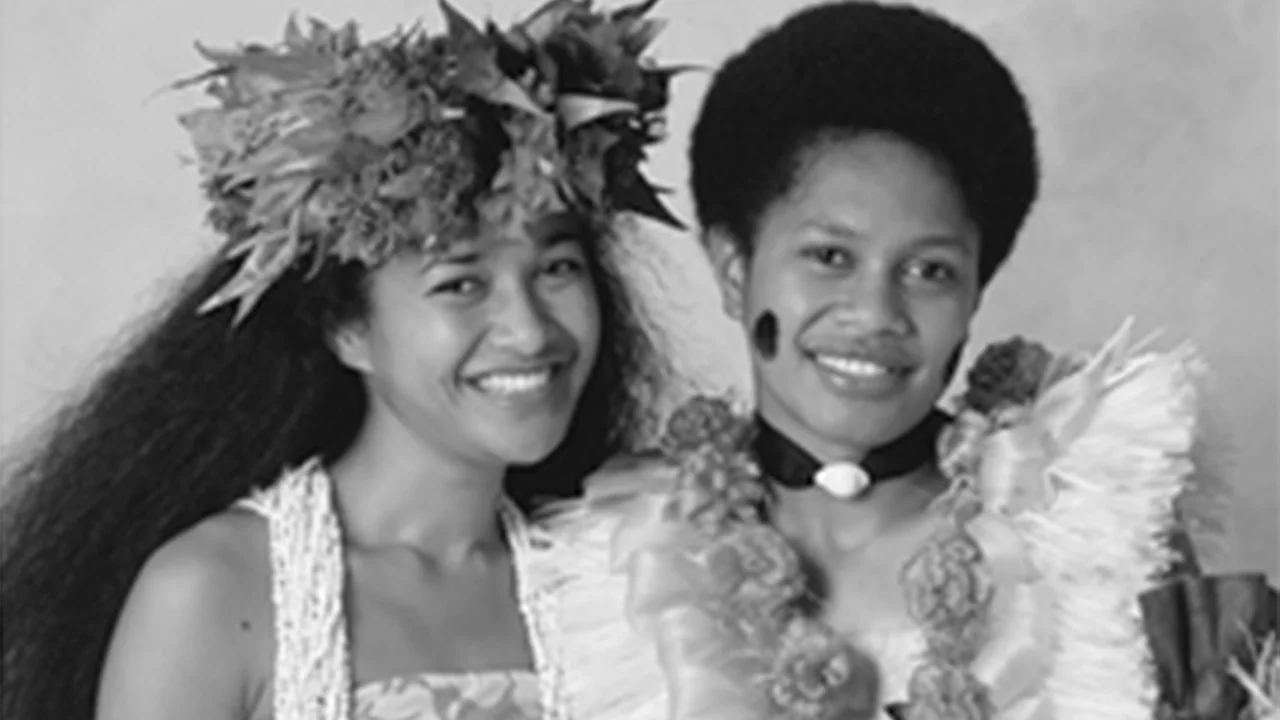
POLYNESIAN cultural center
Much like the rest of the world, all across Polynesia, Western influence and ideals of beauty greatly influence the area. In places such as Fiji and French Polynesia, it is particularly apparent that perceptions of standard attractiveness are becoming synonymous to lighter skin, softer features, and proximity to Eurocentric beauty standards, for example, small noses. Though these ideals may appear surface level, their impact on cultural identity and self-worth continues to grow, particularly amongst younger generations exposed to the interconnectedness of social platforms.
Western Influence on Beauty Standards
Colorism, discrimination based on skin tone, is not a new phenomenon within Pacific communities, but many scholars and journalists believe its persistence is undeniably linked to colonial influence and Western beauty culture. Reporting on Pacific beauty pageants and online abuse, ABC News notes that colorism remains pervasive throughout Pasifika communities, with darker skin still associated with negative stereotypes or reduced desirability. One interviewee described it as a “post-colonial effect” where darker skin became something communities were taught to criticize rather than celebrate. These theories are not baseless, particularly when understanding the historical prejudices dark skin was taught to connote throughout history, but especially, with exponential momentum, during the colonial period.
In this modern era of global connectivity, these harmful beliefs are rapidly deepening rather than resolving, with the momentum of social media platforms. Social media platforms promote highly curated beauty ideals dominated by influencers appealing to Western aesthetics, creating pressure for South Pacific younger generations to conform to said aesthetics that will naturally conflict with Indigenous identity. Adding to this obvious issue is the rise of the “Instagram face”, with filters altering appearance to fit a western beauty standards, and now the rise of surgeries to permanently alter faces. The homogenization of beauty is undoubtedly having mental effects on younger generations from countries without eurocentric predispositions before colonialisation.
In Fiji, where Indigenous, Indo-Fijian, and mixed communities coexist, these tensions surrounding appearance become even more layered. While being a trend worldwide, lighter skin is frequently associated with status due to lack of exposure from outdoor labor, while darker skin can still carry stigma despite Fiji’s deeply Indigenous cultural roots.
"If [a woman's] physical appearance appeals to the majority, then it's considered the closest illustration of beauty," – Malia Latu
Another harmful narrative portrayed when allowing western beauty standards to dictate attractiveness is the casualization of othering diverse ethnic beauty. If women can’t appeal to western gazes are they sexualized as exotic or cast away as ugly?
"The term 'exotic' was used to describe the tropical settings like our Pacific Islands, so images of Pasifika women became a manifestation of pleasure for the white male gaze.
"There was a strong suggestion that Pacific women were seen as both sensual and savage, which is considered 'other' to the West." – Malia Latu
Appreciation or Appropriation?
On the other hand, though Western beauty ideals are still viewed as the standard for attractiveness, in the media there has steadily been a revival of Polynesian cultural expression and appreciation, such as tattooing, also known as “tatau”. Through movies like Moana and amplifications of voices on social media, people world-wide are beginning to see the beauty of Polynesia. Trends often feature hashtags like #polynesiantiktok, #tongan, #samoan, and #maoritiktok, showcasing traditional attire, hula dance, and moko (facial tattoos) or tatau.
Across Polynesia, traditional tattoos are not simply aesthetic choices but markers of history transferred via the body as a canvas. “Traditionally, tatau served as a form of ID or social rank, keeping track of the genealogy of the family, and representing important milestones,” says
“Traditionally, tatau served as a form of ID or social rank, keeping track of the genealogy of the family, and representing important milestones,” says Samuela, who is French Polynesia.
National Geographic describes Polynesian tattooing as a form of storytelling where symbols represent the history of an individual including genealogy and personal milestones rather than a beauty practice.
This revival is especially important for younger Pacific Islanders accepting their culture after generations of colonial suppression and oppression. Teen Vogue published interviews with young Polynesians describing traditional tattoos as acts of service to family and community, rather than fashion statements. One interviewee explained that receiving a malu tattoo represented cultural duty, emphasising that these markings are not intended purely for aesthetics or display but are very sacred to the culture.
“It's basically an act of service to your family, to your home, and to your culture.” – Lolua Tauanu’u
However, though media helps amplify voices to an extent, it also increases the likelihood of commercialization and appreciation because of exoticism rather than its cultural significance. Polynesian-inspired designs becoming increasingly popular within Western tattoo culture, strips cultural meaning and reproduces ignorant displays for aesthetics. In fashion as well we frequently market “tribal” designs without understanding or acknowledging the cultural histories attached to them. Academic discussions around cultural appropriation, including research examining Māori tattoo debates, argue that this process transforms sacred cultural symbols into commodities for consumption. We’ve seen this happen to almost every nonstandard western society, such as Japan with sushi, matcha, samurai, anime, minimalism, bonsai, calligraphy and many more facets.
This essentially creates a roadblock. A cultural practice that carries significant spiritual and ancestral significance are now often reduced to trends within global fashion culture to achieve a “tribal” look. On one hand, Polynesian aesthetics are increasingly celebrated globally through tattoos, fashion, cultural dances, tourism, and social media, and on the other, many Pacific Islanders continue to experience marginalization, colorism, and pressure to conform to Western standards of beauty. In this sense, Polynesian culture becomes desirable only when detached from Polynesian people themselves. In addition to this clause, non-Polynesians wearing Polynesian tattoos have caused intense online debate, with Polynesians arguing that every symbol has meaning and cannot be separated from the culture if you display one. Commentary from Pacific writers stress casual adoption feels less like appreciation and more like extraction.
Fundamentally, the same questions need to be answered when sharing any culture globally, how it is shared, who benefits from it, and whether Indigenous voices remain central in the process. Without understanding the means for appreciating without depicting communities as exotic can lead to exploitation. In this case, Polynesian identity is admired aesthetically while the lived realities of Polynesian people remain misunderstood or ignored.