
Far East: Prison Overcrowding and Justice Reform Efforts in Cambodia
TANG CHHIN SOTHY
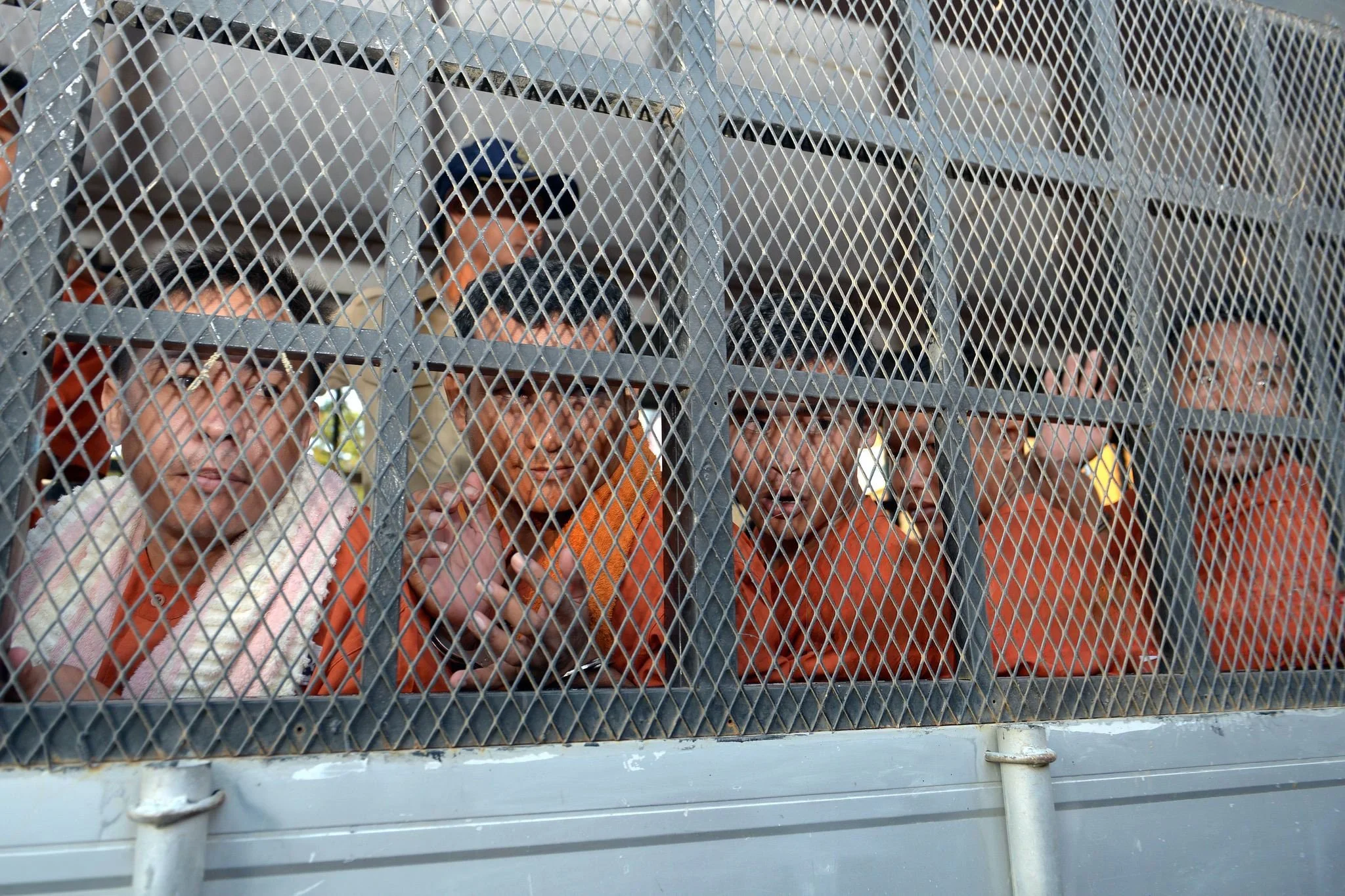
In 2026, Cambodia’s national prison occupancy rate reached a new high : exceeding 400%, which made it one of the countries with the highest prison occupancy levels and inmate overcrowding. Kandal Prison, for example, is designed to house around 600 inmates, currently houses more than 3,900 inmates, with an occupancy rate of over 650%.
Cambodia’s prison population reflected issues within the nation’s justice system. At the same time, correctional facilities faced an overwhelming burden to consistently ensure detention conditions, to provide adequate and safe living conditions, adequate healthcare, sanitation, and mental health services for a rapidly expanding inmate population. According to the UN Office on Drugs and Crime (UNODC), overcrowded prisons are associated with heightened risks of violence, self-harm, and suicide, as the lack of resources, understaffing, and deteriorating living conditions put more pressure on both the detainees and prison staff.
As the most recent UNODC report reflected, in 2025, over a third of the global prison population (3.7 million) remains in pre-trial detention, and this use is considered excessive by the Cambodian League for the Promotion and Defense of Human Rights (LICADHO) as the biggest factor causing Cambodia’s prison overcrowding. The latest LICADHO report shows that around 75% of detainees in prison were being held in pre-trial detention, meaning they have not yet been convicted of a crime or are in the process of waiting for a final judgement. Bail, probation, community service, and conditional release are rarely granted in Cambodia’s legal system, making incarceration the primary default response to any kind of illegal behavior.
Cambodian authorities, on the other hand, maintained that pre-trial detention and law enforcement remain necessary to protect public safety, ensuring that suspects appear before court proceedings and preventing possible interference with evidence. Cambodia's Code of Criminal Procedure gives investigating judges the right to order pre-trial detention when the statutory legal criteria are met. Additionally, article 205 of the code states the importance of pre-trial detention, to prevent collusion between the accused and accomplices. From this perspective, detention is viewed as a lawful measure to maintain public order rather than a contributor to prison overcrowding.
The Big Picture: Understanding the Global Prison Trend
Cambodia’s overcrowded prisons are not an isolated issue – it reflects a broader international challenge in amending criminal justice system and maintaining societal security. According to the 2025 UNODC report, there is a trend of growing rates of violent deaths in prisons around the world, which indicates unsafe prison conditions and the need for all prison staff to ensure a rehabilitative prison environment. Furthermore, while men are more likely to be imprisoned, female prisoners are more likely to be held in pre-trial detention. The data shows that nearly one in three prisoners globally has not yet been sentenced. In response, LICADHO announced in its report the urgency for the authorities in Cambodia to address the crisis, particularly faced by pregnant women and mothers detained with young children.
Yet, the global situation of heavy reliance on pre-trial detention not only contributes to overcrowding but also raises broader concerns about justice, as prolonged periods spent awaiting trial can undermine the presumption of innocence and place further strain on prison systems.
The legitimacy of pre-trial detention is regularly discussed by criminal law scholars. Professor Andrew Ashworth from the Univeristy of Oxford argues that detention before conviction, especially for long periods, deprives a legally innocent person of liberty before guilt has been established. Professor R.A. Duff’s “Pre-Trial Detention and the Presumption of Innocence”, as one of the most cited papers in criminal law, introduces the inconsistency between the presumption of innocence and the implementation of pre-trial detention. Many scholars believe that some pre-trial detention can be justified, yet only after extremely careful and individualized risk assessment.
Cambodia’s Overcrowded Prison
Fair Trial, an international legal non-governmental organization, emphasized the importance of utilizing pre-trial detention as “a measure of last resort”, but never the default treatment of individuals. However, Cambodia’s prisons, with an occupancy rate of over 600% is an example of a country treating pre-trial detention as a norm.
Behind the statistics are daily realities of people living in overcrowded environments with limited access to healthcare, mental health support, and sanitation. Under Cambodian law, children may stay with their incarcerated mothers until the age of three. According to LICADHO, many children significantly lack adequate nutrition, healthcare, and opportunities for education, entertainment, and places to play.
Additionally, unlike law jurisdictions such as that of the United States or the United Kingdom, Cambodia does not have a commercial cash-bail system where defendants can post money to secure release. Bail ordered by the investigating judge. Thus, Human rights organizations and LICADHO have repeatedly urged Cambodian authorities to seek other alternatives to detention for the following groups: pregnant women, young children with their mothers, primary caregivers of dependent children, and non-violent offenders. In No Place to Play: Childhoods Spent Behind the Bars by LICADHO, it calls for the expansion of the use of bail and judicial supervision in Cambodia to amend prison overcrowding and better protect the rights and welfare of pregnant women, mothers, and their children.
Cambodia’s War On Drug
In January, 2017, the Cambodian government launched a massive anti-drug campaign. With an emphasis on detention and prosecution, Amnesty International reported that many detainees experienced abuse and violence during detention. According to Phanith, a former “room leader” from Orkas Khnom detention center: “The person was so addicted that he was chained by the hands and the feet so that he could not move around. And the building leader beat him like that until he died. The mixture of beating, torturing, and addiction was what killed him.”
The war on drug in Cambodia not only led to a sharp increase in arrests and an increase in number of prosecutions of drug-related crimes, but also to more pre-trial detention and a surge in the prison population. Instead of protecting the detainees’ rights to health, the 3-year campaign altered people’s lives tremendously through arbitrary arrests and detention, wrongful convictions, torture, and other ill-treatment of detainees.
The legacy of the campaign continues to influence prison populations in present-day Cambodia, as the criminal justice system now has a heavy reliance on imprisonment for non-violent offenses, particularly drug-related offenses. Now, the discussion on whether Cambodia should combat drug trafficking has shifted to how it should do so. The Cambodian government still maintains that strong enforcement is necessary to combat organized criminal network to protect public security and safety.