
The Commons: Does the UK’s Counter Espionage Strategy Go Far Enough?
Last week saw the first major speech from the new Head of MI6, Blaise Metreweli, who had taken the position of Chief of the Secret Intelligence Service back in October. As the service’s first ever female head, Metreweli spoke out about the challenges that would be facing Britain in the new year, focusing in particular on aggression from Russia in the wake of the war with Ukraine and Europe’s response.
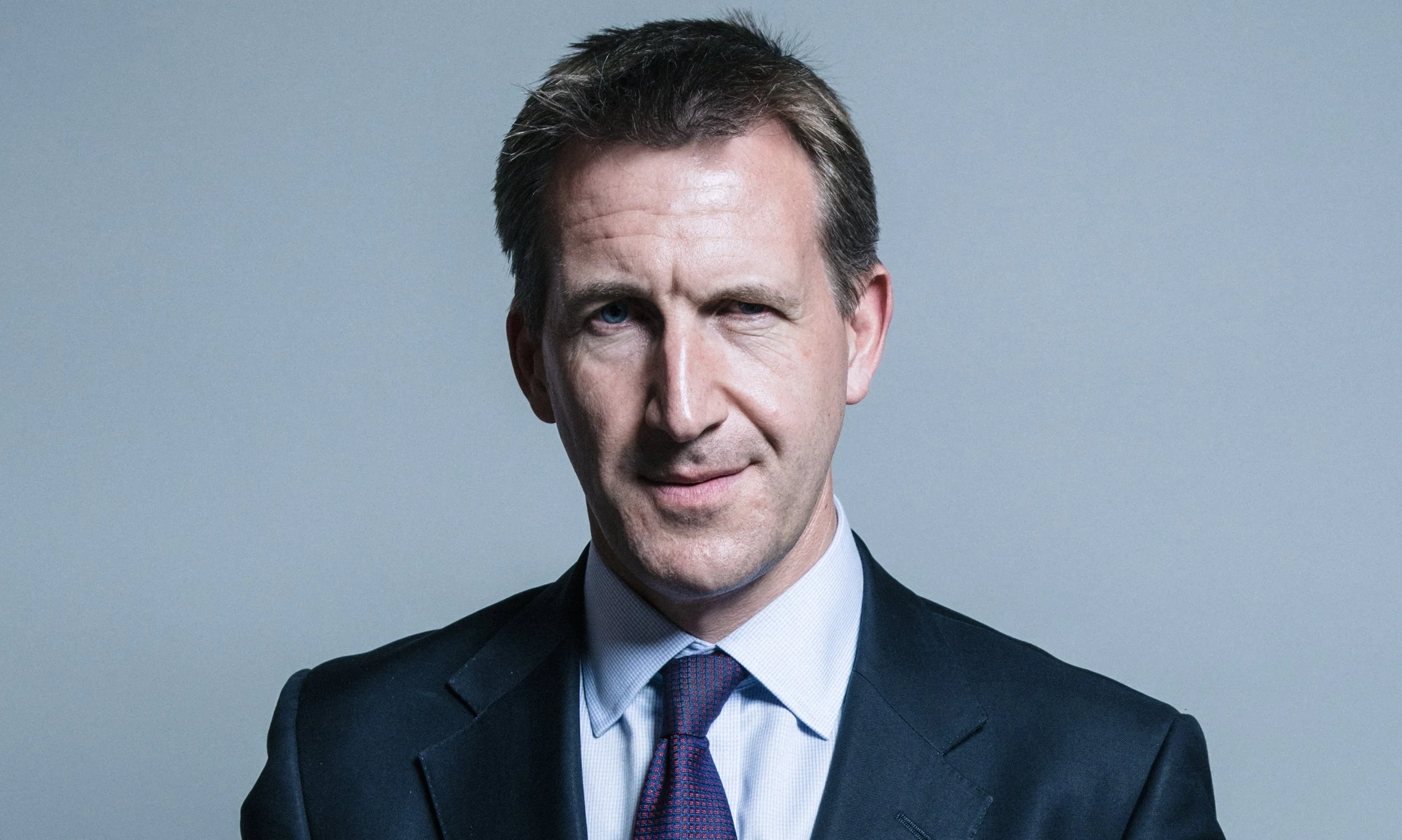
This follows new guidance from the government released to combat espionage and foreign interference. In October, the Minister for Cabinet Office and Home Office, Dan Jarvis, warned MPs and civil servants to remain alert towards attempts by foreign agents to extract information. According to MI5, Chinese intelligence agents have been using sites such as LinkedIn to reach out to MPs and others, posing as head-hunters offering the MPs themselves opportunities, as part of attempts to gain information or spread their own disinformation. The new guidance they have issued warns of espionage attempts from China in particular, as well as Russia, and Iran. It has cautioned anyone working for the government to be aware of even innocuous seeming attempts at contact, and to keep secure all information relating either to them, their colleagues, or their personal connection.
“I urge anyone working in government, public service or politics to be alert and trust their instincts if something does not feel right,” Jarvis warned his fellow MPs. “Foreign intelligence officers frequently operate covertly and exploit professional networking sites and personal vulnerabilities to build influence. This new guidance builds on the work we are already doing to tackle these issues. Parliament and the public have a right to know who is seeking to influence political outcomes, and in whose interests.”
There has been a greater level of scrutiny in the past few months over the extent to which the UKs espionage strategy has been reliable, as well as the degree to which politicians and others have potentially been targeted or have directly aided foreign espionage efforts. In November, a month after this new guidance from the government, the former leader of the Welsh branch of Reform, Nathan Gill, was jailed for ten and a half years after he had been found to have been bribed into making pro-Russian statements, whilst acting as a MEP for the UKIP and Brexit parties. The Reform politician was found to have made statements to the European Parliament and international media that directly benefited the Russian narrative around Ukraine during the period before it’s invasion.
In the light of supposedly pro-Russian comments made by Reform leader Nigel Farage at various points in his past, this conviction has raised serious questions about the role of foreign intelligence agencies within UK politics and in the funding of political parties. Defense Minister Al Carns called upon Farage to launch an independent investigation into the Reform Party’s membership, donors, and structures, in order to give “a cast-iron guarantee that any remaining pro-Russian links have been removed,” whilst Liberal Democrat leader, Ed Davey, stated that, “a traitor was at the very top of Reform UK, aiding and abetting a foreign adversary. Nigel Farage and his party are a danger to national security.”
Alongside the guidance given out on monitoring attempts to extort information, the government have now also announced that it will tighten the rules around finance and bribery, in order to reduce further foreign interference in UK politics. An independent review, led by Phillip Rycroft, former permanent secretary of the Brexit department, will build on the previous guidance from Dan Jarvis, as well as measures introduced back in July that sought to crack down on foreign money coming into the UK from so-called “shell companies,” which do not in fact conduct business or generate any income within the UK or Ireland.
The review will assess the current rules around political financing in the UK, including investigations into the role of cryptocurrencies and other foreign currencies, as well as the regulations on political parties and the roles of organizations such as think tanks and other donors. The review has the potential to signal major changes in the way elections are financed, with the theorized clampdowns on cryptocurrency donations having previously been criticized by Farage as an attack on his party. This comes several weeks after a record breaking £9 million donation to Reform by crypto investor Christopher Harborne, the largest ever single donation by a living person to a British political party.
However, the government’s attempts to deal with foreign interference and espionage has drawn criticism, both for its effectiveness, and for whether it goes far enough. Political commentators have called on the government to be bolder in its attempts to clamp down not only on interference from Russia, but also from Silicon Valley, through social media and elsewhere, as well as on the amounts that can be given in political donations, and the rules around paid-for foreign trips for parliamentarians.
At the same time, the government has come under major criticism for the recent collapse of a trial around a Chinese spy ring. Chris Cash and Chris Berry, a former parliamentary researcher, and a China-based academic, had each been accused of leaking sensitive material to Chinese intelligence. The ultimate failure of the case against them drew widespread criticism, with allegations of incompetence and mishandling of evidence that showed China to be a national security risk, and even accusations that there had been a deliberate sabotaging of the case, so as not to damage trade relations with China.
Conservative Party leader Kemi Badenoch called upon Prime Minister Keir Starmer to confirm what he and his ministers knew about the extent to which the government had kept evidence from the Crown Prosecution Service, stating that Starmer still had questions to answer about the handling of the case and on whether the public had been misled. The government hit back by instead putting the blame on the outcome of the case on the previous Conservative government and pointing out that Starmer himself could not have intervened on the outcome of the trial.
Others however have criticized the government’s counter espionage strategies for going too far and for potentially trampling on human rights. Independent reviewer Johnathan Hall has claimed that under the UKs National Security Act, ‘espionage’ is defined so broadly that it could result in “cases of real harm,” with people wrongly being investigated and charged, since the definition could potentially encompass any lobbying, electioneering, journalism, marketing campaigns, humanitarian aid, or social media activity, if there can be demonstrated “the intention of benefiting a foreign power.” This, Hall argues, could affect any number of journalists, politicians, and think tanks advocating for causes that are in the interests of other states, from “arming Ukraine in its war against Russia or returning the Elgin marbles.”
Similar criticisms have been made of the governments counter terrorism strategy, with a challenge currently being considered at the High Court against the government’s proscription of Palestine Action. The group had earlier in the year been proscribed as terrorists alongside far-right groups Maniacs Murder Cult and the Russian Imperial Movement. This move has since drawn widespread criticism over its implications for civil liberties, with stories of people having been arrested simply for wearing t-shirts or holding signs supporting Palestine Action.
Important questions persist therefore, not only on how the government plans to tackle espionage and terrorism, but also around how these are to be defined in the first place. Whether the new strategies to be put in place may prove effective will remain to be seen.
