
The Commons: A New Relationship With The EU?
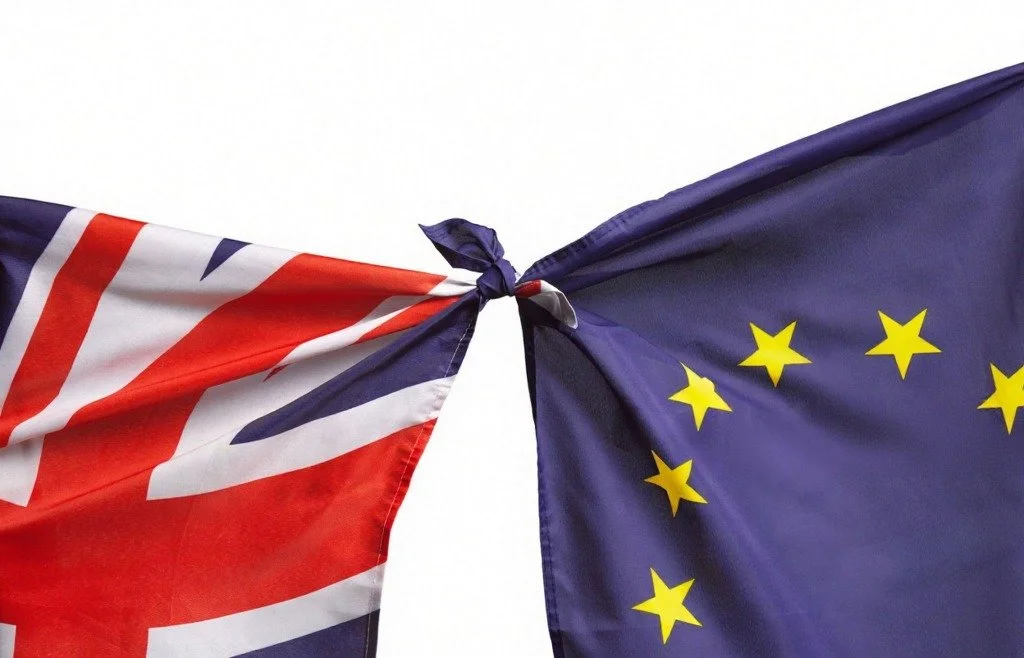
Peter Dazeley
This year will mark a full decade since the referendum on Britain’s membership of the EU – a momentous decision that went on to define UK politics over the next three years, helped to decide the outcomes of two general elections, and fundamentally impacted the UK economy.
Over these ten years, the UK’s decision to leave the EU has remained a deeply contentious one, with continued calls either for rejoining the EU or for establishing a closer relationship with them. In spite of this, the issue had proved so divisive for UK politics, and appeared to have been settled so decisively at the 2019 election, that it was barely touched upon during the subsequent election in 2024, with both Keir Starmer’s Labour Party, and the Liberal Democrats – traditionally the most pro-EU Party – each pledging that the UK would remain outside of Europe. Nevertheless, the change in government at the last election led to speculation on whether we would see closer ties with Europe, even if this stopped short of reopening the debate around membership.
A petition that had been launched earlier in the year, calling for the UK to rejoin the EU, received over 132,500 signatures. Whilst the government’s response was clear, that it intended to stick to its manifesto pledge of remaining outside Europe, it did nevertheless state that it looked to ‘reset’ the UK-EU relationship and reduce barriers on trade, with new levels of cooperation on foreign policy and security, the safety of citizens, and growth and trade.
The basis for this reset was confirmed back in May with a joint summit between the EU and the UK, the first such summit since Britain left the EU. This outlined the new strategic partnership that would be existing between the two entities, outlining a shared strategy and participation in areas of defense in the wake of the Ukraine crisis, as well as greater levels of cooperation on areas such as law enforcement and migration, fishing and energy, and controls of emissions.
In the past month, the government announced that it would be restoring the Erasmus exchange scheme, a program which allowed young people across the UK to study or gain work experience throughout the EU, and vice versa. The scheme, which was launched back in the 1980s, before the EU even existed in its current form, had previously been a successful one, with around 9000 to 10,000 UK students and trainees making use of it each year to study in placements abroad, and around 29,000 European students similarly using it to study in the UK, prior to it being scrapped by the Conservatives following Britain’s withdrawal from the EU in 2020.
The Labour government has pledged to reinstate this from 2027 onwards, at a cost of £570 million, removing what had appeared to be the loss of a major opportunity for UK students and young people in the wake of the Brexit referendum. It is hoped that as many as 100,000 people of all ages will be able to benefit from this over the first year of its implementation, with Skills Minister Jacqui Smith emphasizing that this will open opportunities not only for university students, but also for apprentices, youth groups, and adult learners. She also stressed that the new Erasmus deal includes a 30% discount negotiated with the EU, stating that “unlike our previous membership of Erasmus, we’re getting a fairer deal. What we are getting for UK learners is more balanced with what the EU gets, in terms of their ability to come to the UK.”
The government has emphasized that this does not in itself signify any wholesale reversal in the relationship between the EU and the UK. It had always been the case that the Erasmus scheme was open not only to EU member states, but also to associated third countries, with leading Brexit supporters such as Boris Johnson having previously claimed that leaving the EU need not affect it.
However, the final announcement for this deal is significant in that it comes alongside increased calls from both Labour and the government for further reintegration. In December, following increased speculation about Starmer’s position as Prime Minister, the Health Minister, Wes Streeting, was accused of further opening divisions within the Party and putting himself forwards as a potential leader, after he publicly called for the UK to join a customs union with the EU.
Such a move, long proposed by Remain supporters in the aftermath of the Brexit referendum, was needed to repair the economic damage caused by Brexit, Streeting argued. “We’ve taken a massive economic hit leaving the European Union,” Streeting stated. “I’m really uncomfortable with the level of taxation in this country. The reason why leaving the EU hit us so hard as a country is because of the enormous economic benefits that came with being in the single market and the customs union. This is a country and a government that wants a closer trading relationship with Europe.”
Streeting has added his voice to a growing tide of Labour Party members who are keen to see closer integration. According to YouGov, 80% of those who backed Labour in 2024 support a customs union, whilst 74% of Labour members blame Brexit for Britain’s economic worries and 35% back fully rejoining the EU.
This has included other voices within the government, with Deputy Prime Minister David Lammy having also been amongst those supporting a customs union, whilst earlier in December, thirteen Labour MPs joined the Liberal Democrats to vote for a bill calling for negotiations on this. Meanwhile, groups such as the Labour Movement for Europe have called for a Swiss style of “dynamic alignment” with the EU, in which the UK would not have a customs union, but would still gain some access to a single market.
Since Streeting’s comments, the Prime Minister has himself stated that it would be in the national interest for this to go further, adding that it would be "better looking to the single market rather than the customs union. I think it's in our national interest to go further. Now, that needs to be considered on an issue-by-issue, sector-by-sector basis, but we've already done it with food and agriculture and that will be implemented this year."
It’s clear that the government remains cautious on this however, with both his and Streeting’s comments having been attacked as a betrayal of what people had voted for back in 2016. The government has made it clear that the kind of customs union proposed by Streeting remains a “red line” for them, as would a full return to a single market or to freedom of movement. This is something that Downing Street has emphasized in the wake of Streeting’s comments, with a spokesperson for the Prime Minister stating, "we all have been very open about the need to reset our relationship with the EU, and strengthen that relationship while sticking to our red lines for the long term."
It remains to be seen whether this is something that the government will push ahead with, or whether this is merely a response to the rifts within Labour. In either case, it seems likely this decade-old debate could be reopened, and that we may soon be hearing many more pro-Europe voices both from within and outside the government.
