
The Commons: Animal Testing Becomes Next Area of Protests Banned
Pixabay
This month saw further developments to the controversy surrounding the group Palestine Action, which had made headlines after it was proscribed as a terror organization by the UK government in 2025.
The proscription came after the groups break-in last summer to RAF base Brize Norton, where they damaged military equipment and vandalized two planes. The action was carried out in protest against the UK’s alleged support for Israel during the ongoing conflict in Gaza. The proscription saw the protest group listed as terrorists, no different to groups such as Al Qaeda or ISIS. Following this, thousands of ostensibly peaceful protesters have been arrested for continuing to align themselves with the group, or for protesting against the decision.
This month, the UK High Court ruled that this move by the government had not in fact been lawful, and that the group should not have been labelled as a terrorist organization. The government has since announced it is appealing this decision, citing criminal acts committed by Palestine Action. The proscription of the group shall remain in force in the meantime. The decision by the High Court and this subsequent appeal by the government has drawn widespread media attention, within the wider context of Israel and Palestine. At the same time however, the UK government has also taken legal action against a separate protest movement, relating to issues of animal rights.
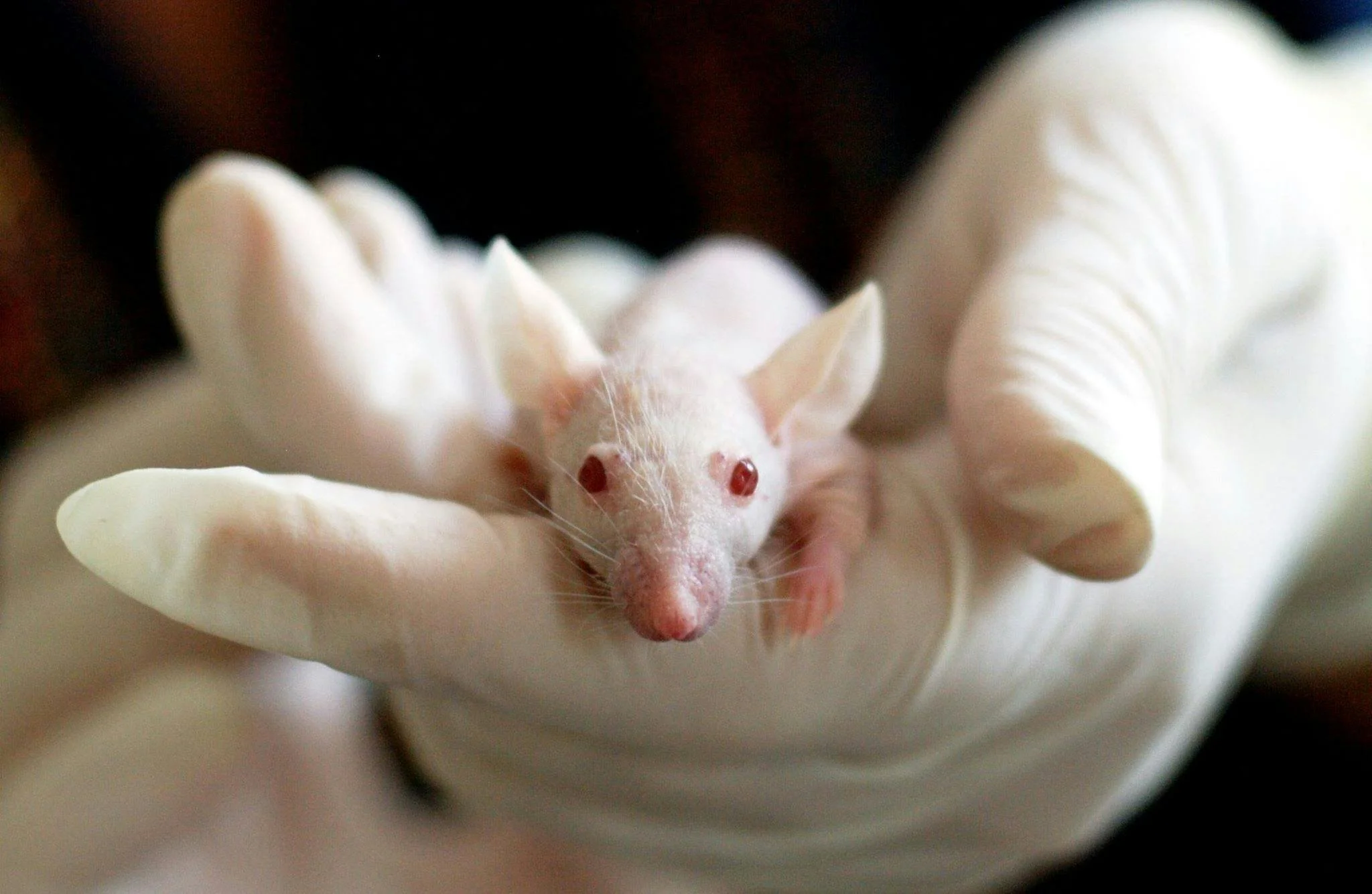
In January, it was quietly announced that protests taking place on sites for animal testing will be banned. This was voted through in Parliament as part of an amendment to the Public Order Act 2023, a controversial bill introduced by the previous Conservative government which granted the police additional powers in cracking down on protests deemed disruptive. This latest amendment, concerning animal testing, will make it a criminal offence to take part in protests against experimentation on animals, on sites where such experiments are taking place. Such change in the law carries with it the possibility of up to 12 months imprisonment or a fine, and covers online campaigns.
Like the ban on Palestine Action, this move by the government has drawn widespread criticism for being seen as impacting freedom of speech. PETA and other animal rights groups have been amongst those condemning what this may mean “not only for our right to protest, but also for the millions of animals languishing out of sight in laboratories all over the country.”
Polly Foreman, a Digital Content Manager with PETA, wrote in reaction to the news that, “in recent years, the Government has controversially tightened protest laws, giving police stronger powers to curb disruptions to key infrastructure covering major roads, transport systems, energy supply, and other critical infrastructure, drawing criticism from civil liberties and human rights organisations. Now, they are targeting protests against animal testing facilities.”
PETA has noted that this legislation by the government now brings up the risk of imprisonment for anyone wishing to protest animal experimentation, as well as highlighting the impact on animals involved.
Meanwhile, Cruelty Free International, a group opposed to animal testing, added that peaceful protest on this issue is now being criminalized, stating, “this move is draconian, unnecessary and almost certainly unlawful.”
The government has stated that the move was required due to their classifying such testing sites as ‘key national infrastructure’, owing to their importance in the development of life sciences. Policing Minister Sarah Jones defended this classification, asserting that protests based at these sites had the potential to disrupt supply chains for health services, and therefore posed a risk to the UK’s ability to produce and supply essential medicines and vaccinations.
This argument was pushed back against by animal rights groups however. “This definition goes much too far,” Cruelty Free International stated, “as animal research cannot reasonably be considered critical infrastructure.”
The move has also been controversial for the use of a mechanism termed a statutory instrument (SI), which allows the government to amend existing laws without putting forward an entirely new bill. This means that Parliament can only approve or deny such amendments, without the opportunity for the same level of scrutiny or debate as a new bill would be.
Critics have described the choice to illegalize forms of protest in this way as ‘sneaky’ and as showing an ‘authoritarian drift’. An open letter was sent to the Home Secretary, Shabana Mahmood, critiquing the policy, signed by a range of figures and organisations including the wildlife TV presenter Chris Packham, and the campaign groups Just Stop Oil and Protect the Wild. In the letter, it is stated that, “peaceful protest against animal testing has a long and legitimate history, and curtailing it through expansive powers is neither necessary nor proportionate.”
Though the vote on the SI was passed, the choice to push it through in this method drew widespread criticism from a range of MPs and peers. Natalie Bennett, a member of the House of Lords and former Green Party leader, had attempted to table a ‘fatal motion’ allowing for further scrutiny from Parliament. This was defeated prior to the SI being voted on however.
The vote also saw rebellions from as many as 26 Labour MPs, who raised concerns about government overreach and the danger of increasing ‘authoritarian drift’. Rachael Maskell, the Labour MP for York Central, pointed out that the Labour Party had previously been opposed to the Public Order Act, stating that it “was a massive overreach of the state, and I have serious concerns about the suppression, as our party did in opposition.”
“I have to question what changed,” she went on to add, “because clearly something has changed to trigger the Government into believing that that Act should go even further. I have deep concern about that, because at the heart of that legislation was suppressing the right to protest. That has serious consequences for our democracy, for this place and how it operates. We have been able to achieve so much because of protest in Parliament. I stand for animal welfare protectors—for those people who have deep concern for the welfare of animals.”
This move by the government will only serve to deepen concerns about further legislation against protest by the UK government, and the implications this may have for civil liberties. As noted by Amnesty International, there have been numerous anti-protest laws being drafted since 2021. According to their figures, in addition to the 2,700 people arrested on the issue of Palestine Action, there have also been nearly 7000 climate protesters arrested between 2019 and 2025.
“In the UK, new laws are constraining our ability and the space to protest peacefully,” Amnesty stated. Our government is suppressing views they don’t agree with, and giving in to pressure from vested interests. This is a threat to us all.”
