
European Central: The Arctic Archipelago Svalbard Defends Against Climate Change
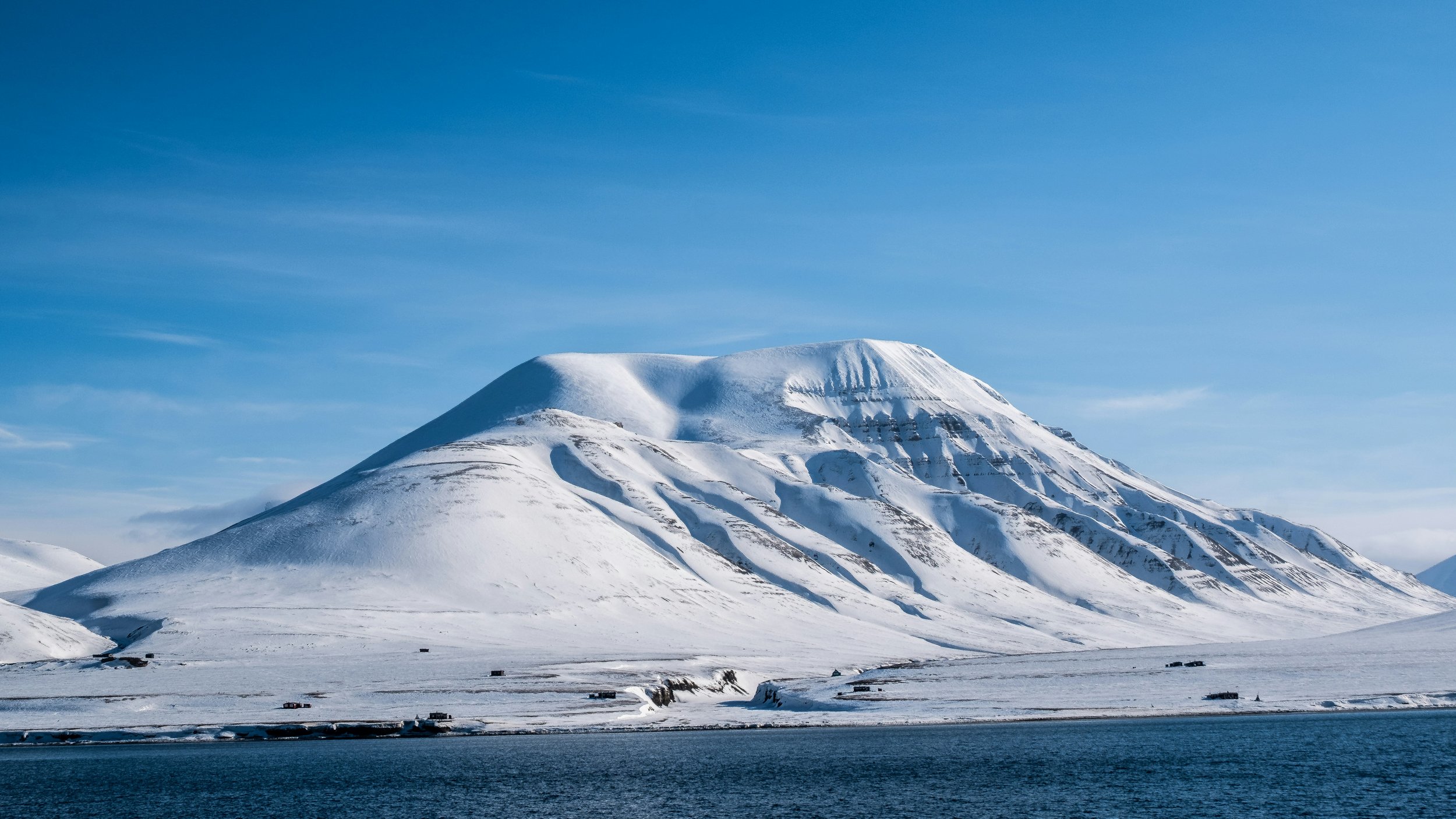
Gunnar Ridderström
Svalbard is melting. Deemed the “fastest-warming place on Earth,” the Norwegian archipelago in the Arctic, with over 60% of its surface covered in ice, sits on the frontier of the climate crisis— and the fight against it. As the world heats up and their environmental vulnerabilities worsen, Svalbard’s infrastructure, emergency, and sustainability planning is racing to stay ahead of it. Now, this work becomes even more pressing with the current transition into the summer of 2026, which follows 2025’s record-setting hottest year since 1900.
Infrastructure Vulnerabilities
Almost all — if not all — of Svalbard’s roads, bridges, airports, and other infrastructure is built on permafrost, meaning it is especially vulnerable to global warming. If permafrost leaves its normal state of being frozen for extended periods, it can jeopardize the foundation and structural integrity of the infrastructure on top of it..
The vulnerability of vital travel links built on permafrost is jeopardizing access to a place so remote. Svalbard Airport in Longyearbyen has a runway that is feared to collapse under the warming weather— the airport manager, Ragnhild Kommisrud, said April 2025, “During the summer months we must check the runway meticulously every day, because the soil might subside at any point. This is a challenge that we only expect to get worse with time.” A breakdown of their airport would be especially painful for Svalbard— “disruption of the Svalbard Airport would mean not only an economic loss for the tourism industry, but it would also jeopardize the community's supply lines.”
Melting permafrost also puts water infrastructure and clean water supply at risk, particularly “In Longyearbyen,” where “the dam of the main [water] source, Isdammen, is built on frozen ground. This is a major concern for the health and well-being of the local population” that public safety and environmental officials monitor closely, especially in advance of the incoming Sunny Winter.
With the higher temperatures of Sunny Winter comes an increased risk of emergencies like avalanches and landslides along with it. “Warmer weather can lead to a less stable snowpack,” which predisposes snow and earth shifting on a large scale. But in terms of risk management and safety strategies towards avalanches, it was only following an avalanche in 2015 that killed two people that the archipelago reached a turning point.
Updated Defensive Infrastructure & Safety Measures
Since then, in addressing the concerns created by a changing environment, major investments have been made in landslide protection and flood protection, as well as in reinforcing roads and buildings to withstand thawing permafrost. A €30 million investment in structural defenses against avalanches — including snow fences, supporting structures, catching dams, and slush flow defenses — was also completed, alongside the implementation of daily site-specific avalanche warnings. Sensors as part of an avalanche warning system have been implemented around Longyearbyen as well, and have been immensely effective in detecting vulnerable areas on the mountainsides and where it will fall below when aerial surveyance has been impossible.
As a result of increased safety measures, some buildings have been closed for good due to their high locational risk for landslides or avalanches, and others have been relocated to safer areas. Several buildings in Ny-Ålesund had to be re-supported on new foundations following thawed permafrost in recent years, including those that house the UK Arctic Research Station and the Dirigibile Italia Arctic station.
Energy Transition
As part of a wider initiative to rely on sustainable energy to lower carbon emissions and the warming it contributes to, Svalbard has made significant strides— if imperfect ones. In 2023, the coal-fired power plant that had powered Longyearbyen since 1983 was closed, with the energy supply being switched to diesel generators. The switch halved CO2 emissions, which is about the equivalent of removing 20,000 vehicles from the road annually, but came with an unreliability and spiking energy costs that left residents dissatisfied. The closing of the last coal mine on the archipelago was also originally planned for 2023, but was delayed as result of the Russian/Ukraine War and the energy crises it caused. It closed its doors, marking an end to 109 years of coal mining on Svalbard, in July of 2025.
In May of 2025, the trial solar park at Isfjord Radio recorded the first full 24 hours in which solar panels met all electricity demand for the Basecamp hotel, a significant milestone in Svalbard’s renewable energy journey. After the introduction of a battery bank and smart hybrid control system in addition to the solar panels, an estimated 235,000 liters of diesel was replaced by the energy they generated.
When looking to the future, several options are being debated for a long-term energy plan, many with a significant price tag. There have been proposals of an underseas power cable to mainland Norway to the tune of 260 to 440 million euros, which have been countered with economic assessments that imports of hydrogen or the establishment of a hydrogen fuel cell plant on the archipelago would be more cost-effective. Research has, however, indicated that a technically and economically-sound strategy could be found in solar arrays, wind turbines, bioenergy, geothermal sources, and large-scale battery storage working in combination with one another.
Going forward, with Svalbard and the rest of the world primed to experience record high temperatures and its devastating impacts, this work that they have done in their planning and policy for infrastructure, emergencies, and sustainability will surely be tested. On the very forefront of the climate crisis, many international eyes turn its way to see how their measures and reactionary abilities cope.
