
European Central: Visa to Live the Russian Dream
Tima Miroshnichenko
As Russia continues its invasion of Ukraine, it also opens its borders to foreigners - but only if they want to live the “Russian dream”.
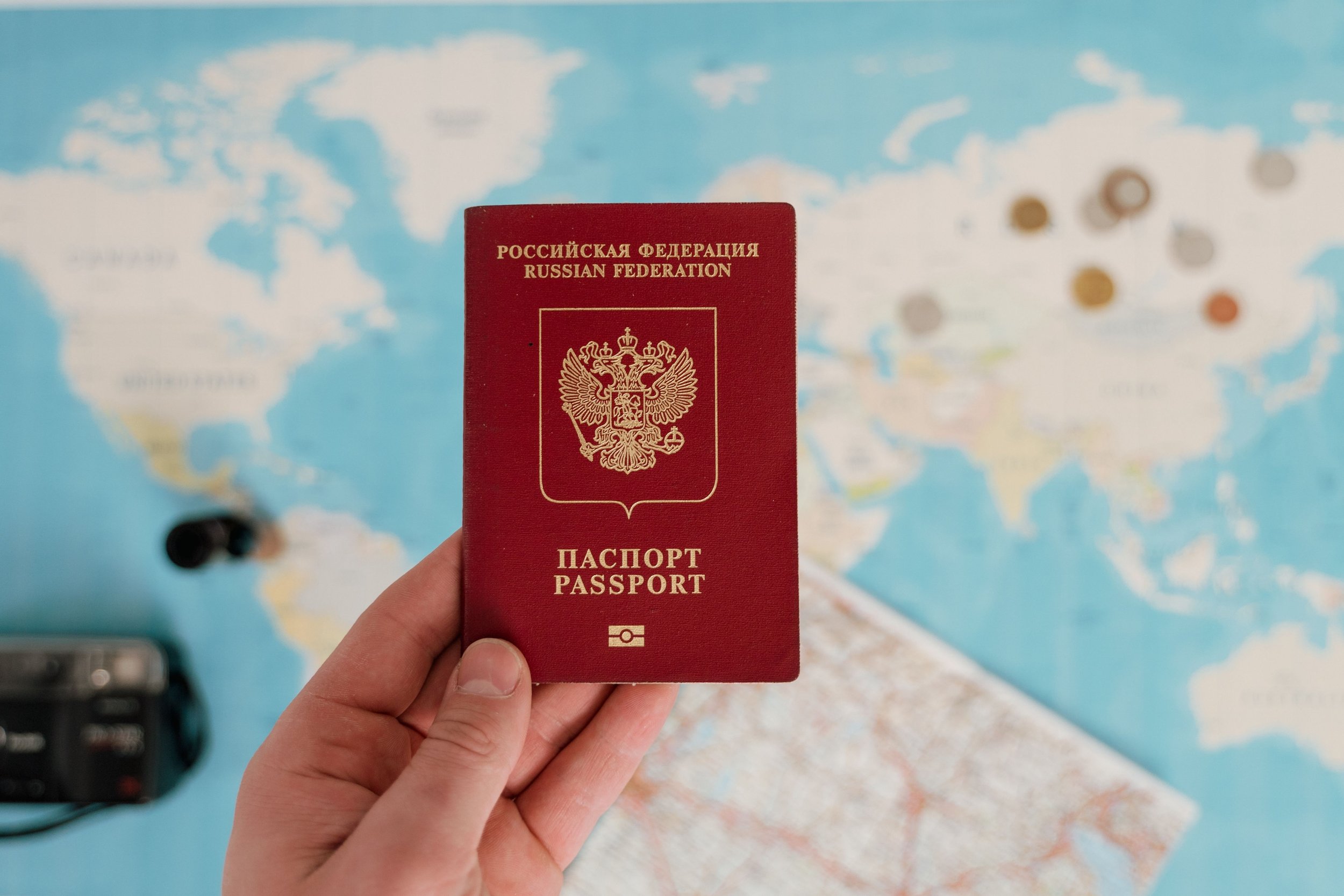
Since August 2024, Russia has been offering to those who claim to share "traditional Russian spiritual and moral values” and see their home countries as promoting "destructive neoliberal ideological attitudes" a special Shared Values visa. The visa allows citizens from a list of 47 countries and territories, including all EU member states, the United States and the United Kingdom, an “anti-woke” life in Russia and a simplified path toward permanent residency.
Authorities say nearly 3,400 foreigners have applied as of Spring 2026, even at a time when Russia continues to experience a stagnating economy and find itself in the middle of a demographic crisis, which intensifies with each year as the war with Ukraine drags on.
How Does One Get A Shared Values Visa?
The visa was announced in a Presidential Decree No. 702 signed by Vladimir Putin
in August 2024 as a new path toward temporary residency for foreigners who align themselves with Russia’s ideological framing of “traditional moral values”.
The process toward obtaining the Shared Values visa differs from the Russian standard immigration system. To be eligible, applicants must be citizens of one or more of the listed 47 countries, and tick a set of boxes: They must demonstrate a clear rejection of neoliberal values of their home countries, show a desire to align with Russian cultural, spiritual and legal values, and to adopt Russian morals over those of their home countries.
As long as the visa seekers confirm during an interview at a Russian consulate that they meet these criteria, which apply only for adults in family cases, and pay an administrative fee of $22, the visas are granted within weeks. In contrast to Russian regular process for foreigners seeking residency, no proof of Russian language skills nor knowledge of Russian history is required. If holders choose to stay in Russia after three years, the Shared Values visa gives them a path toward obtaining a Permanent Residence Permit. Otherwise they have to leave the country upon the expiration of the visa.
Russian “Traditional Values”
The Kremlin knows what values it wants its visa applicants to hold.
In an earlier Presidential Decree adopted in 2022 on state cultural policy, the "traditional Russian spiritual and moral values" were defined as patriotism, a commitment to service to the Fatherland, a strong family, historical memory, collectivism, mutual assistance, justice and the priority of spirituality over material concerns.
Extremist and terrorist organizations, some news media and communication platforms, the actions of the United States and other unfriendly nations, and foreign NGOs were defined as threats to those Russian traditional values.
“Traditional values include life, dignity, human rights and freedoms, patriotism, civic consciousness, service to the Fatherland and responsibility for its destiny, high moral ideals, strong families, productive labour, the primacy of the spiritual over corporeal, humanism, charity, justice, collectivism, mutual assistance and mutual respect, historical memory and the continuity of generations, as well as the unity of Russia’s peoples.”
—Russian 2022 Presidential Decree on state cultural policy
Opposition to LGBTQ+ rights and liberal gender identity policies, that Putin has for years publicly criticized for years as an evidence of moral decline in the West, is reportedly also an attribute Russian authorities are looking for in the Shared Values visa candidates.
The “Moral Migrants”
Leo Hare and his family would have satisfied these requirements, as they sought to move from the United States after noticing “a surge in LGBTQ-type policies”. Devoted Christians, the family of five left their native Texas for Russia in late 2023 and were granted asylum in a public ceremony streamed on Russian state TV. Their case has become one of the most widely reported examples of Western migration.
In a report by Sky News journalist who visited them in their home in Ivanova, about 180 miles from Moscow, Leo said he welcomed the significant culture differences between Texas and Russia: “We were noticing a great upsurge of LGBT-type policies coming in to the government [in Texas], especially to the school system,” which his wife Chantal described as a “complete attack against the conservative Christian families”.
In Russia, recognition of LGBTQ+ rights is prohibited under “anti-propaganda” and “anti-extremism” laws.
After a state-televised ceremony accepting their political asylum in Russia, Leo said: “I feel like I have been put on an arch of safety for my family.”
In late 2025, Sky News reported that the two eldest of Leo and Chantal’s three sons have returned back to the United States.
In Numbers
1,100 Shared Values visas have been issued throughout the year 2025. German nationals topped the list, with 168 Shared Values visas granted in that period, followed by France with 140. American citizens made up almost 10% with 105 granted visas, followed by Italy with 100. Also on the released list were Estonia with 63, Latvia with 60, Canada with 54, Lithuania with 46, and Australia with 43.
Shared Values Visa Granted in 2025, By Applicants' Nationality
No Special Visas for Kremlin Critics
In contrast, none of the aforementioned countries offer visas on ideological grounds for Russian citizens opposing the Kremlin regime.
Following the invasion of Ukraine, the EU has been continuously tightening its Schengen Area entry visa rules for Russians, and individual member states have been introducing additional restrictions applicable for their own territories, including increasing application fees and requiring stricter background checks. At the same time, Russia was the country with the fourth-most Schengen visa applicants of around 679,000 in 2025, and refusals fell down from 7.5% in 2024 to only 6.4% in 2025.
For Russians applying for U.S. visas, the situation has been complicated since at least last year, but not out of the ordinary compared to the US visa process for nationals from other countries. Following President Donald Trump’s changes in immigration policy, U.S. visa seekers of almost all nationalities faced multiple temporary suspensions of visa issuance process over the past year, and also stricter checks with the introduction of new practice of social media vetting.
Starting in January of this year, Russian citizens applying for visas to Canada must travel to a third country, following a permanent closure of all Canadian government-run visa offices across Russia.
And those in Russia applying for Australian visas face a strict electronic screening and tighter rules designed to prevent visa holders from overstaying, though these also apply to all visa holders, according to a new Migration Amendment Bill 2026 introduced to the parliament earlier this spring.
Visa application restrictions also make it difficult for Russians to claim political asylum - to be eligible, the rules in almost all countries require Russians to be physically present in the country they are applying for asylum with.
