
Carte Blanche: Bureaucracy replaced democracy
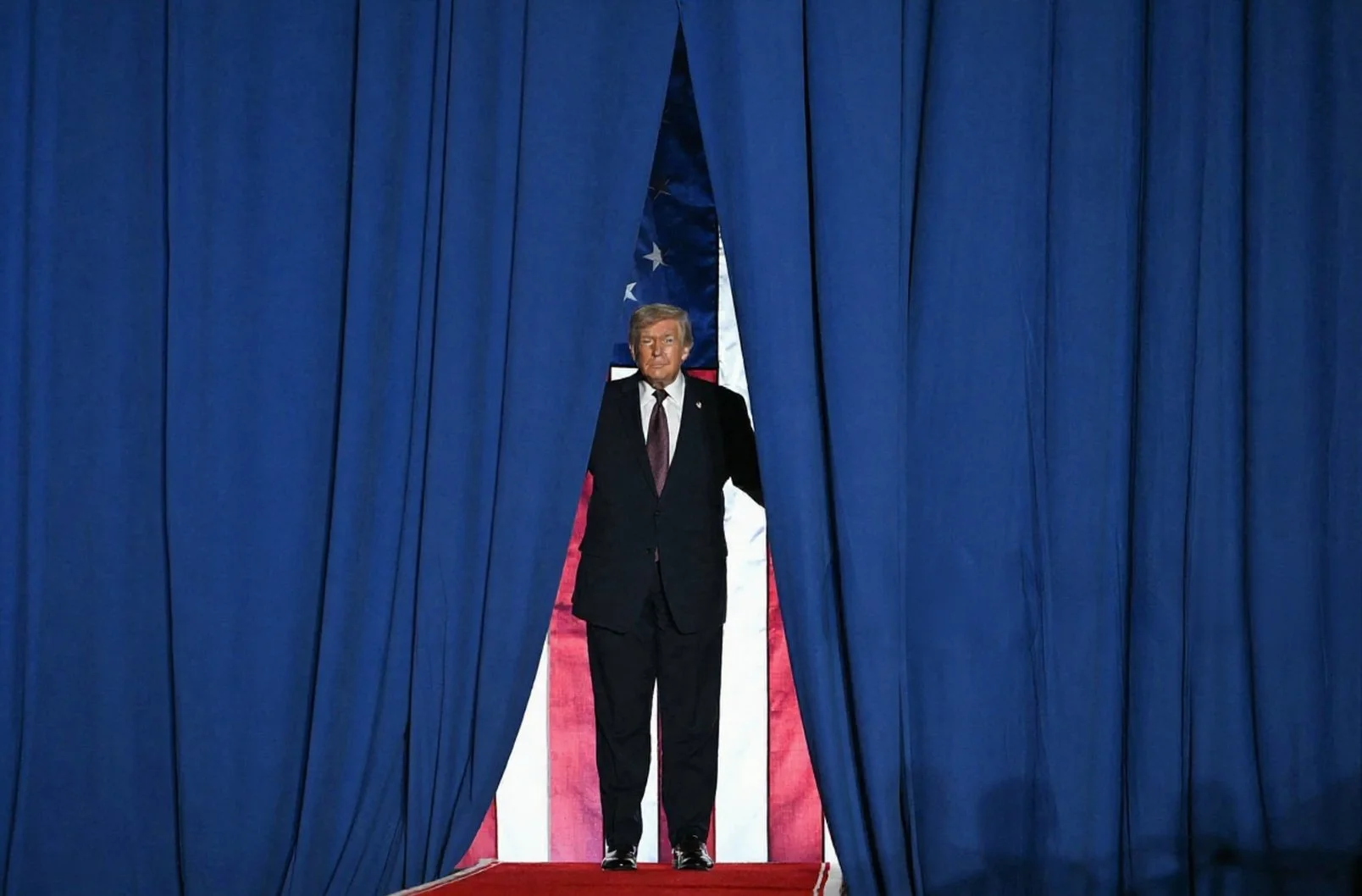
afp
From the very beginning, the Trump Administration has been adamant that it would shrink the government. It highlighted, and rightly so, that the federal government has grown to ridiculous proportions. There isn’t a facet of life that doesn’t have an agency designed to oversee it, nor is there an instance in which the federal budget doesn’t grow year over year. Many politicians run on reforms, and little, if any, ever occur. On the contrary, when something is trimmed from the federal budget, something new must be created to address unforeseen and catastrophic problems. The systems and agencies in place are so deeply rooted in the system that removing or even reducing them requires Supreme Court intervention and countless oversight committees to discuss whether such a thing is permissible. The common denominator is that the system now exists in such a state that elected leaders are kept from making tangible decisions to enact or change policies or legislation because an army of lawyers and bureaucrats is waiting in the wings to stop them from ever getting started. The great debate over whether the US is a Democracy or a Republic has been rendered moot by the fact that nothing is allowed to happen without impact studies, cost estimates, and the overwhelming fear of job loss if agencies are not allowed to grow and prosper for their own sake.
"You will never understand bureaucracies until you understand that for bureaucrats procedure is everything and outcomes are nothing." - Thomas Sowell
The Constitution is clear that the power to make laws lies solely with Congress, that they must be enforced by the Executive Branch, and that there should be no separation between the two. However, the current form of the US Government has proven that it has drifted far from what the founders intended. The problem lies solely with Congress. Presidents have always pushed boundaries to see what they could get away with, and Congress has acquiesced far too often. While the Judicial Branch has the power to determine legality, Congress by and far has the power to change this by amending the Constitution to limit powers and outline duties. However, both the Senate and the House of Representatives have relinquished these roles and responsibilities to bureaucrats and agencies. Rep. Nancy Pelosi (D-Calif.) famously quipped that the Affordable Care Act (ACA) had to be passed so we could see what's in it. While it may seem that she meant the bill was too big to read before the deadline to pass it. In reality, it became obvious that no one would know what was in it until bureaucrats in the Health and Human Services (HHS) decided what the rules would be. This is a clear example of elected officials abandoning their responsibilities to do something politically advantageous without considering the costs or outcomes. It is not hard to see why Congress has had such low popularity and support from the American people. Even when they try to enact legislation that a majority of Americans support, they do so in a way that makes the worst case scenario inevitable.
The shift from a more direct democracy to a technocratic institutionalization began before the end of World War II and has accelerated since. Technology and booming populations have led to a sense of the need for a highly sophisticated set of systems to manage new complexities and govern effectively. The contradiction is simple. In an incredibly complex and changing world, politicians looked to bureaucratic institutions to maintain “healthy” status quos and avoid the hardships that had ravaged the world for millennia. Central planners wanted to erase the idea of calamity and destruction by ensuring everything was perfectly balanced and accounted for. A simple glance at history, a few sci-fi short stories could’ve predicted what would happen and saved taxpayers trillions of dollars. It was well intentioned and a gradual process that, while it was intended to preserve democracy, has instead created a state ruled by regulations and subsidized and taxed to unrealistic extremes. Because the system has been left to govern itself, the impact of the rules and regulations has ballooned passed anything that Congress has passed and has become the unofficial fourth branch of government. While many argue that independent agencies are needed to avoid the disruption of partisan politics, the reality is a group of entities that many believe are beyond the reach of the President, who depends on Congress's laziness to simply do as they wish.
It is not an overstatement to say that the state of affairs in the country is largely due to bureaucrats and complacency. The FDA, EPA, CDC, and many other acronymed agencies have taken it upon themselves to govern, and more accurately rule, the country. By using fines, threats of force, and the arbitrary power of decision without debate or checks on power to decide how the country will run and what Americans can or can’t do. The greatest risk they pose is their ability to set unrealistic goals and require the nation to live by them. Such dictatorial power is something Americans have long chaffed at and should do something about once again. The time has come for agencies to be stripped of all rule-making power and Congress to be stripped of the ability to delegate its responsibilities. If they are the duly elected leaders of the nation that their constituents have elected to govern, then they must meet the responsibility they have volunteered to carry out. If they are unwilling or unable, the power must be abolished altogether, and the people should again have the right and responsibility to take a more active role in governing their daily lives. Whatever an organization produces, whatever its stated intentions, is the purpose of that institution. Every agency claims virtuous goals, but there is no good to be found in forcing others to live as we wish, no matter how good the intentions. For that reason alone, reform should be a priority above all others, and a path forward should be one based on consent, not on consensus.