
Carte Blanche: The end of globalization isn’t a good thing
Greg Rosenke
"Take not from the mouth of labor, the bread that it has earned."
- Thomas Jefferson
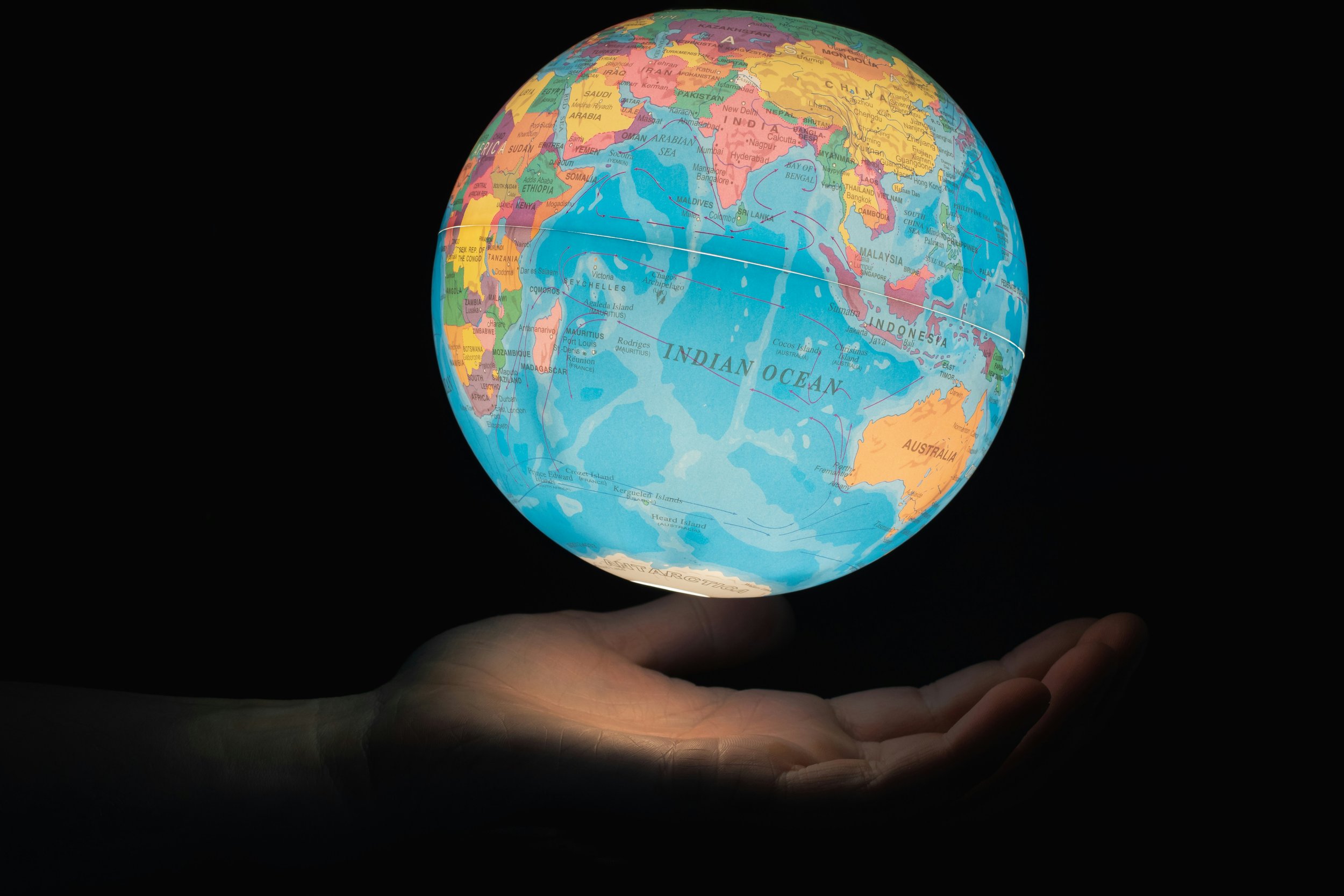
At the end of WWII, much of Europe and Asia lay in ruins. The international system that had once been dominated by empires and military force was gone. For over a decade, war had been raging. Nations had been ravaged, and whole populations had been displaced or decimated. The dark reality of industries laid to waste and millions without work or food had sunk in. The U.S., which had long pursued a policy of avoiding foreign entanglements and alliances, now found itself reconsidering its stance amid global instability and the urgent need for reconstruction. While new alliances such as NATO emerged through mutual defense, the UN became a platform for resolving international disputes. Something more definitive was needed to ensure stability. The US made a deal with the world. In exchange for the US Navy patrolling the world's oceans and ensuring the safe passage of shipping and trade, the majority of the international community would yield to American preferences in many areas. What followed that agreement was an unprecedented era of economic growth and prosperity that no human could have imagined in their wildest fantasies. It was by no means perfect. Yes, there was still plenty of equality, and there were still wars waged by the US and the Soviet Union. Compared to what the world had endured in previous millennia of human civilization, it was far more peaceful and hopeful. There are those who would point to this trend of globalization as the downfall of Western Civilization and the root of all modern problems. However, there is plenty of evidence to prove that that is far from the truth. What is true is that the world wouldn’t have a chance in the coming years without the freedom and growth that an interconnected world has created in such a short period of time.
Before condemning or championing globalization, it must be defined in a common way. For most of human history, trade was conducted at a local level. Towns, villages, and cities would trade locally, and the nations they formed would strictly control the flow of goods and services within and beyond their borders. This allowed governments, whatever their form, to pick winners and losers and, in effect, establish monopolies that benefited a small group. The increase in trade among nations and the lowering of barriers, both economic and social, have spread prosperity and options across the globe. In 2021 alone, over 70% of shopping was done online. This gives shoppers millions of options from clothing to food and technological marvels that improve their lives every day. As nations industrialized and labor costs rose beyond affordability, less developed nations were given the opportunity to take on jobs that weren’t profitable, providing millions of impoverished people around the world with opportunities. The view that many take is that this is a loss of jobs and a transfer of wealth from developed nations to less developed at the cost of workers in these more developed nations. In reality, it creates opportunities for both kinds of nations and their people. As one industry moves, another develops to meet new needs and opportunities that wouldn't have developed without global trade. Jobs, much like matter, can neither be created nor destroyed; they are simply changed from one form to another or from one location to another. The Rust Belt is often cited as an example of job destruction and the creation of ghost towns. In reality, yes, factories did close, and workers were laid off as factories moved overseas and down to the southern states. As this happened frequently since the nation industrialized, there was no longer a need for those factories at their previous locations, as the demand ebbed and flowed and profitability shifted to other markets. It is uncomfortable and can be distasteful for those who relied on those jobs, but there were opportunities elsewhere with better pay and more growth. The country and the average American have become richer because of it.
"What the honourable member is saying is that he would rather that the poor were poorer, provided that the rich were less rich."
- Margaret Thatcher
There are plenty who argue, not wrongly, that millions have been left behind and forgotten by globalization. Towns were destroyed by the loss of income from factories and businesses that moved to China, Mexico, and other places. But what about the business opportunities that have come to America because of it? International corporations have brought their businesses to American shores, creating employment opportunities and the chance to grow and change for those seeking work. Though there is an incredible gap between the top 1% and the bottom 99%, the average American has also grown increasingly rich since the beginning of globalization and continues to do so as free trade continues to grow. If the complaint is that there is too much earned or held by too few, the argument is looking at it from the wrong angle. Instead, the question should be: How do we increase the opportunities of the average American to make as much and have as many opportunities as the richest Americans? If there is a desire for true growth, and if the government truly wants prosperity and opportunity for all its citizens, then the path forward is far clearer now than it ever will be. Allow the world to trade freely with the US and seek the same for every nation. The end result will be a world where humans can grow and prosper for generations to come. On the other hand, if the desire is for guaranteed outcomes and a belief that only equal growth is worth having, then citizens and leaders alike only need to look to the Soviet Union and the Warsaw Pact nations it held hostage to see how to enforce it. While the people will be equally miserable, the governments will be equally fat. If that’s the idea of fairness, everyone will be equally miserable. Far better to let the world be one of freedom from inequality than one of enforced equality.