
Third Way: Crime From A Humanitarian Approach
RDNE Stock project
The volatility of civil society is fluid. As are the ways in which we elect to handle such fluidity, or rather, whom we elect to handle it. Due to the sensitive nature of this topic, those at any level of leadership must avoid under or overreaction so as not to face backlash from their constituency. Americans expect their representatives to respond effectively and accordingly, and with regard for those who are impacted.
Where we begin to especially face issues is when our perception of crime severity is skewed by a phenomenon referred to as the “False Consensus Effect”. The False Consensus Effect occurs when an individual misinterprets an idea or belief as being more widely held than it truly is. While this idea is not only confined to politics, it does cause quite a stir there. It is important to acknowledge and understand the presence of this occurrence as it can result in potentially undue critiques on the handling of an issue as one may believe that not only they, but the entirety of the public opinion is being overlooked.
With the 2026 Midterm elections only a few months away, hot-button policy discussions, such as the one surrounding crime, rest heavily on many people's minds. More so than ever, it is imperative that candidates on both sides of the aisle listen to the opinions of the general public and adjust their ideals accordingly, especially if they seek re-election. According to a Pew Research Center poll taken in September of 2025, 61% of U.S. adults believe that the Republican party is either somewhat or very much too extreme in their positions. Conversely, 57% of U.S. adults thought the same of the Democratic Party. It is no secret that the political atmosphere has become less of a conversation and more of a screaming match, particularly in the last decade as both parties become defined by their most extreme policy decisions.
Democratic outlooks on crime and incarceration have historically been criticized as weak by their Republican counterparts. However, it is discussions on both sides of the aisle that fall short. The changes made need to reflect the people behind the crime and the reasons why crime regulation is so widely contested.
This issue is larger than just how Democrats can quell their supporters’ concerns and secure votes in time for the 2026 Midterm elections; though by addressing these issues, that too may be a fortunate consequence. This is a humanitarian crisis that involves more than elected officials. It involves those sitting in jails and prisons in conditions that border on human rights violations. It involves acknowledging the imbalance of attention given to the homeless population in the United States. It involves an acute lack of support for those struggling with addiction to drugs and alcohol.
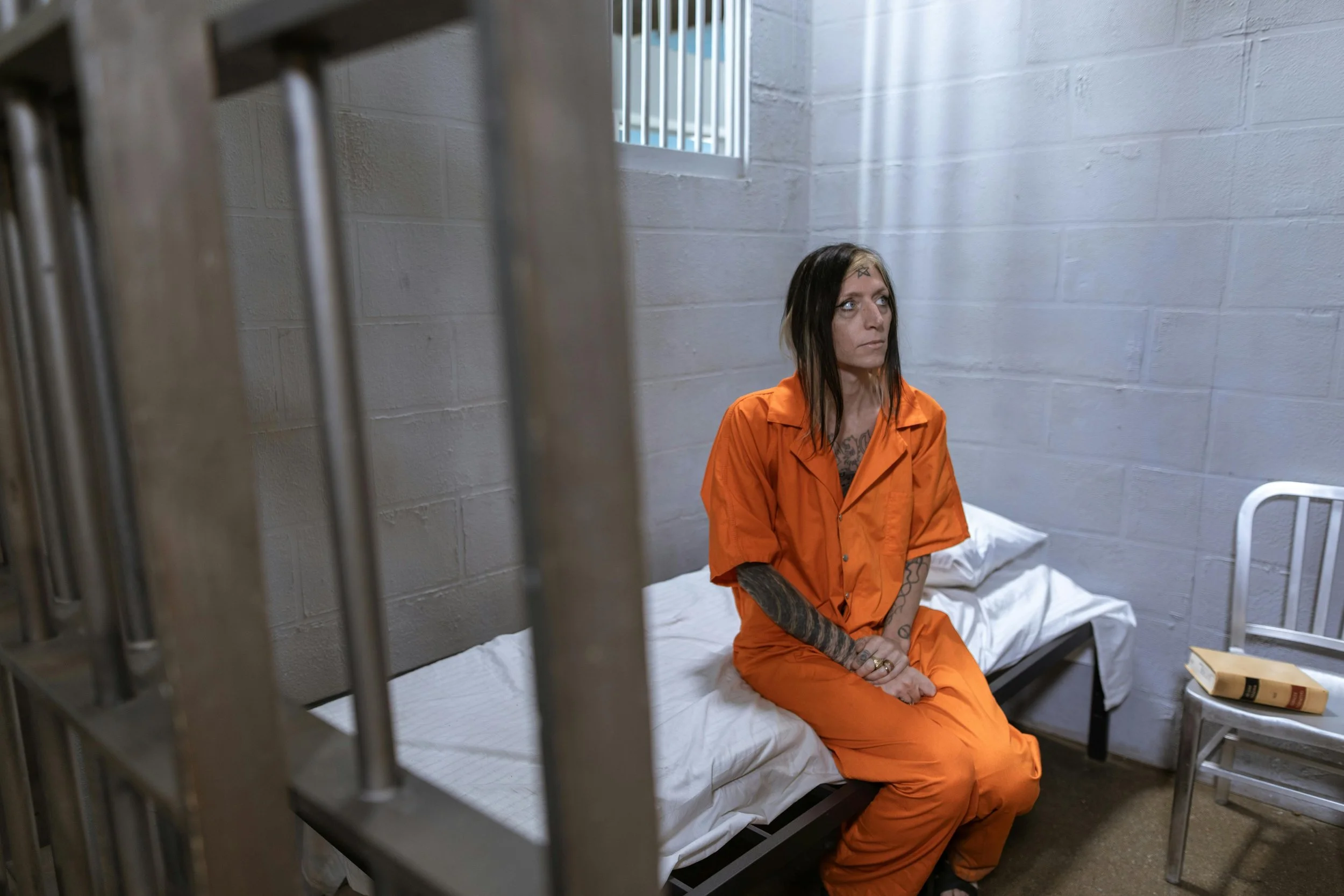
The United States Prison system is violent, inhumane, and overflowing with incarcerated persons. Prisons are places meant to house those whom a court has deemed unsafe until the time when they are decided to be fit for society again, if ever. In some Northern European countries, such as Germany and Norway, incarceration is approached from a rehabilitative perspective, rather than a punitive one. In fact, many European countries who have adopted these rehabilitative tactics see decreased rates of recidivism and, by comparison, far lower rates than those of recidivism in the U.S. By treating individuals with respect and offering them the opportunity for rehabilitation, those who are incarcerated may feel less constrained by their place in life and more empowered to seek a second chance at ingraining themselves within civil society. This is why, for many reasons, there needs to be a set standard of living determined and then upheld within the U.S. prison system.
Overcrowding and a subsequent lack of the necessary funding must be addressed in order to rectify the conditions we see within the U.S. prison system currently. In the United States, it is estimated that as of March 2025, there are 2 million people detained within the U.S. prison system. Addressing these issues of overcrowding will occur first, not within the walls of the prisons, but in the communities that surround them.
The homeless population in the U.S. as of 2025 was estimated to be 771,480 people. That is a devastating number of people with no place to call home. 1 person experiencing homelessness is already 1 too many. 771,480 is a tragedy. On average, around 205,000 unhoused persons are jailed each year. The percentage of unhoused individuals who are re-incarcerated at the same jail twice within a year of their original arrest, is a little over double that of housed individuals of the same circumstances. A study done by the Policy Prison Initiative in 2023 found that over a 12 month period of time, 20% of housed individuals who were previously booked at a given jail were booked an additional two times at the same facility; whereas their unhoused counterparts saw a percentage point of 42%. More so than data, these are individuals. Human beings. And they could be anyone. All that separates the housed from the unhoused is one bad day. The majority of people have the privilege of ending each day in a safe place, with a full stomach, and their own bed. Very few are faced with the terrifying prospect of falling asleep unsure if you’ll wake up, unsure of where your next meal will come from, or when it will be. It is uncomfortable to think about and so we refuse to look directly at it. We walk past them on the street, occasionally dropping a quarter in an outstretched hand and then spending $10 on a coffee we’ll drink only half of. Worse yet, we treat them as a nuisance, a problem to be dealt with. They are people. And they are suffering under a system designed to treat them as less worthy than those with privilege.
Another population in the United States that is vulnerable to incarceration are individuals suffering with drug and alcohol addictions. The Prison Policy Initiative estimates that 47% of individuals in state or federal prisons met the criteria for a Substance Use Disorder (SUD) within the 12 months prior to their incarceration. Prisons and jails are treated as pop up treatment programs with the expectation being that they will help the individual detox and rehabilitate them prior to their release. As discussed previously, rehabilitation is clearly not the primary focus of the U.S. prison system, and they simply lack the resources to adequately assist those in custody through their recovery process. Conversely, admissions to treatment facilities has resulted in a reduction of crime rates and, consequently, lower incarceration rates. Addiction is an extremely serious and devastating mental illness. Those suffering deserve to be treated with the utmost respect and consideration. By pawning these individuals off onto jails and prisons for “treatment”, it conveys the message that their lives are not valued enough for proper resources and professional assistance. By investing in treatment facilities and increasing outreach to heavily affected communities, drug related arrests and addiction in the U.S. can be decreased drastically.
In order for Democrats to appease their constituents and maintain their values of caring for the individual, they need to focus not on police presence or a harsher hand with which to deal out punishments, but rather, issues of housing and mental health care. By addressing these issues first, they prevent a need for the potential volatility that many seem to consider the best course of action. Humanity needs more kindness for one another, not less.