
Youtube
"If liberty means anything at all, it means the right to tell people what they do not want to hear."
— George Orwell
When it comes to the First Amendment, there are three exceptions that it does not protect: threatening someone with harm, calling for or encouraging that someone be harmed, and, lastly, according to Justice Oliver Wendell Holmes, shouting fire in a crowded theater, with the last exception still hotly contested. The idea that you can say whatever you want within those bounds is a time-honored and deeply cherished American belief. Satire especially. There is also an honored position for those in authority to use their power to get back at those who mock them for their behavior and for how they wield the power they were entrusted with, as if it were their God-given right. The erosion of both privacy and free speech has become more apparent in the digital age. Since the war on terror began, and continues without much talk, the American government has given itself a wide array of tools to strike at the citizens for the simple belief that they may be up to something. That is all the justification that is needed in most instances for law enforcement to get a warrant, if they bother with it, to invade the homes and the privacy of individuals they deem to be a threat for any number of constantly growing and changing reasons. On the rare occasion that a joke is made at their expense, or that average citizens vent their frustration with these practices and behaviors in a public forum, there are consequences, as crooked as those who take the opportunity to lay them at the feet of those who speak up. They are quickly silenced or forced to pay restitution to the organizations or individuals who first caused them harm. The true injustices of our time are often hidden from plain sight because of the modern news cycle or the government's desire to keep it quiet. The rare exception has been the case of Afroman. An entertainer whose recent courtroom victory is a symbol of average Americans standing up to Big Brother across the country.
Joseph Foreman, AKA Afroman, is a musician and rapper with a career spanning back to the late 90s. In 2022, his house was raided by his local Sheriff's department on suspicion of drug trafficking and kidnapping. The Sheriff's deputies took it upon themselves not to knock on his front door and present the search warrant, but to knock it off its hinges and disconnect his home security cameras. While he wasn't present for this raid, his wife and two children, one 10 and one 12, were. The officers then proceeded to tear apart his house, which turned up neither any kidnapped individuals nor a massive stash of drugs. They did, however, find roughly $4,000 in cash, which they promptly seized on suspicion of being generated by drug sales. The total damage to his home exceeded $20,000, and the Sheriff's office refused to pay. When he reported to the police station to retrieve his seized money, $400 was missing, and the officers claimed they knew nothing about it. Eventually, no charges were filed against Afroman, but not before law enforcement threatened to arrest him if he didn't stop calling to check on the status of his case. To pay for the damages, he would release a song, "Will You Help Me Repair My Door," and then a few more that openly mocked the officers who raided his home. Eventually, adding insult to injury, seven of those officers would sue him for defamation, leading to a year-long legal battle over his First Amendment rights.
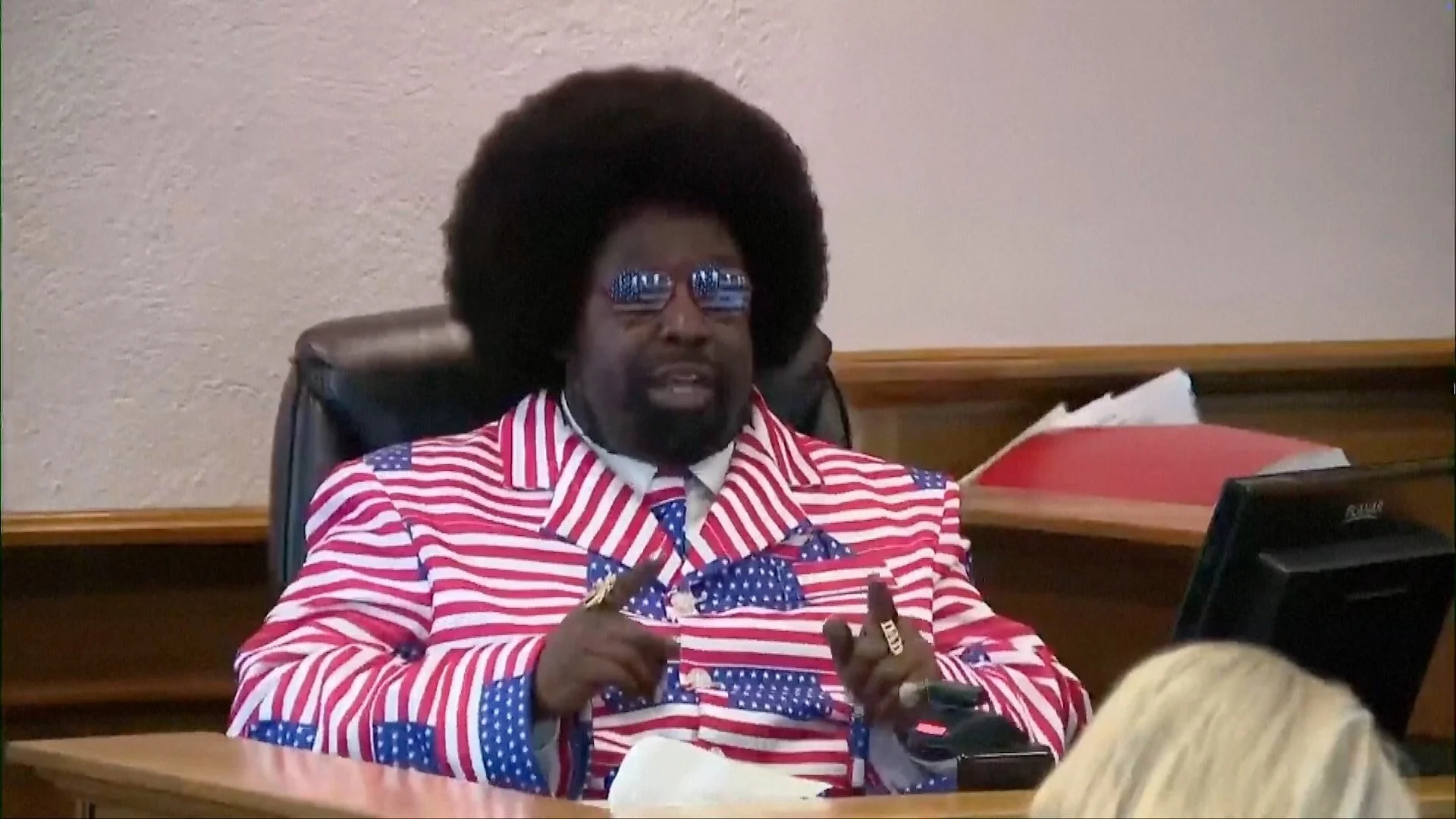
Finally, on March 19th, 2026, it was put before a jury to decide whether Afroman had exercised his freedom of speech or defamed the officers who brought a case against him. Afroman attended the trial in an American flag-covered suit, with American flag sunglasses, and topped off with a white fur coat. He made his case that he had every right to speak his mind and crack jokes about those who had destroyed his property, seized his money, and terrorized his family, all on a hunch. The jury found in his favor and dismissed the defamation suit. In that moment, a small victory was gained for the American people. It signaled that those who wield the power of government, while still not constrained, can't expect to do so with absolute impunity, even from a joke, or to be mocked while hiding behind the same rights they openly violate. The more important issue to remember is that, while his First Amendment right was upheld, the utter disregard for his Fourth Amendment rights isn't even part of the public conversation. Those who swear to serve and protect simply burst into his home on a whim, destroyed property, and held innocent people at gunpoint, then left with his hard-earned money as they'd still been justified in what they had done.
What is the value of a single human life? Not just their lives, but their livelihoods and how they choose to live them. Afroman had no history of drug trafficking or kidnapping; he is a family man who works hard to provide for his family. Because of preconceived notions that those responsible aren't likely to admit to, his life was upended, his family was terrorized, and what he had worked to earn was deemed illegal just because he had it in his home. None of those responsible have faced any official reprimand or legal consequence. Enforcing the law has been treated as a game of odds and numbers instead of ensuring the safety and well-being of the community. If there is any one important lesson to be taken away from what happened three years ago, it is that America is not a nation suffering from too much crime but an absence of justice. The case against Afroman for defamation quickly fell apart when tested against the facts, and it was demonstrated that, given the chance, citizens can tell right from wrong. Now is the time for the rest of the country to be given a chance and to do something about it. For the sake of the nation and the dignity of a single human life.