
Checkpoint: Botox At Planned Parenthood
Anna Shvets
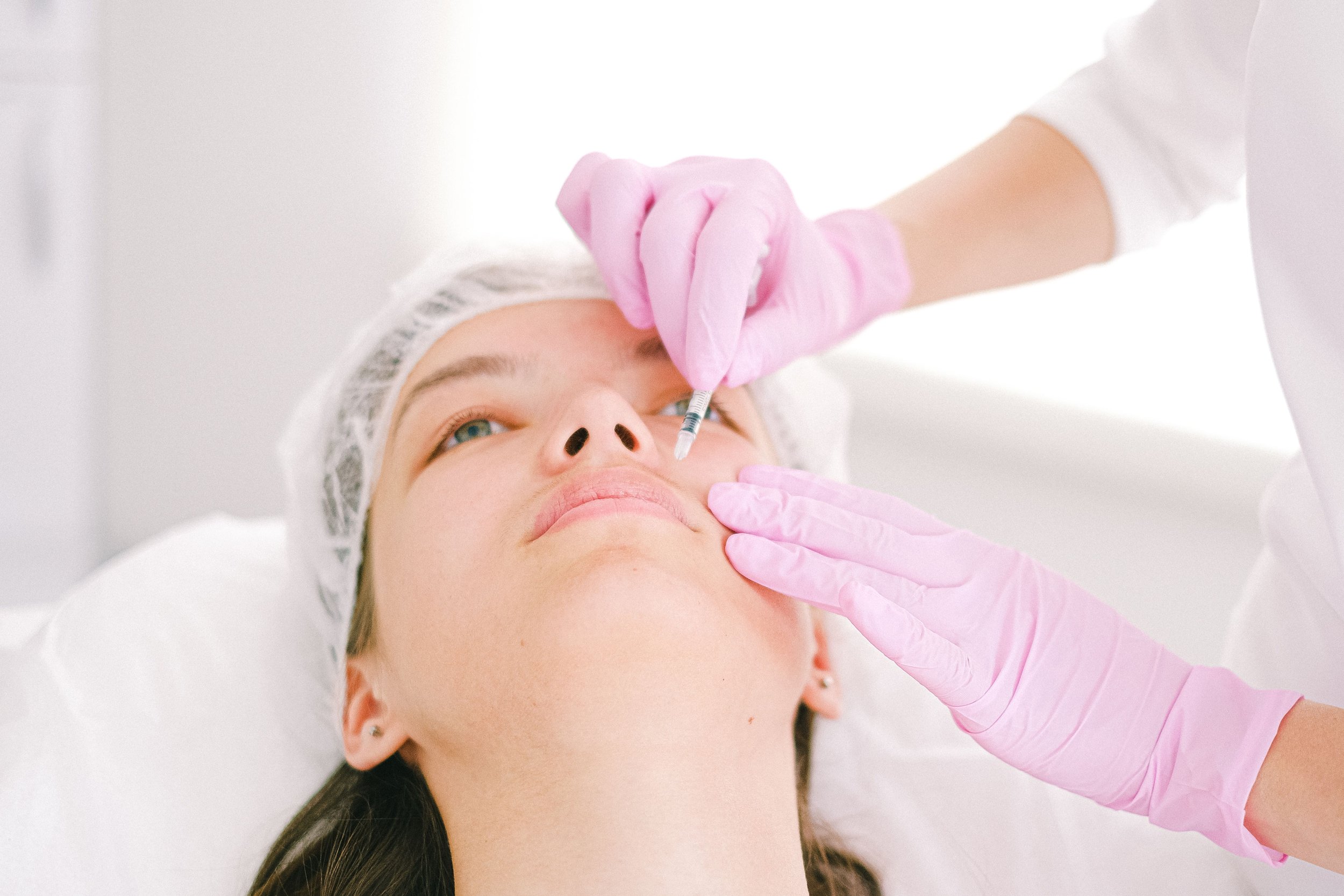
At any of the roughly 600 Planned Parenthood locations across the U.S., you can obtain reproductive health and primary care products and services such as sexually transmitted infection (STI) testing and treatment, pap smears, prenatal care, postnatal care, long-acting reversible contraception (arm implants, intrauterine devices (IUDs)), birth control pills, condoms, emergency contraception, clinical breast exams, pregnancy testing, cervical cancer screenings, pregnancy counseling, vasectomies, Hepatitis B, HPV, COVID-19 and Flu vaccines, gender affirming care, menopausal hormone therapy, treatment for UTIs, yeast infections, bacterial vaginosis, and Bartholin cysts, pelvic exams, and, very controversially, Botox. You can, of course, also get an abortion at Planned Parenthood, but Botox is what’s new and exciting. As of earlier this year, patrons of the Planned Parenthood Mar Monte Sacramento clinic can schedule a consultation and injection appointment for the cosmetic neurotoxin.
In July, 2025 Congress and the Trump Administration enacted the so-called “One Big Beautiful Bill” (OBBB) Act, which, among many other economically detrimental provisions, included significant cuts to Medicaid. The OBBB eliminated federal Medicaid reimbursements for Planned Parenthood’s non-abortion services. These cuts prevent Planned Parenthood from accepting Medicaid as a patient’s insurance for nonabortion procedures, and 50 Planned Parenthood locations have closed since the OBBB was passed. Mar Monte is the largest Planned Parenthood affiliate and provides care in Nevada and Northern California. Mar Monte closed 5 clinics and laid off 15% of their staff since the OBBB and were forced to cut the family medicine program. 50-60% of Planned Parenthood patients nationwide and 75% of patients at the Mar Monte locations receive Medicaid. The cuts from the OBBB left the Sacramento Planned Parenthood Mar Monte location with a $100 million revenue gap. In February of this year, California Governor Gavin Newsom, along with the state’s legislature, allocated $90 million in state funding to Planned Parenthood and other reproductive health nonprofits to bridge the funding gap. This funding, however, was a one-time infusion, not sustainable solution. Planned Parenthood has to come up with a long-term solution to the new funding problem.
The Mar Monte leadership had an innovative idea: tap into the lucrative aesthetics market by offering Botox and other cosmetic services, and use the added income to cover some of the lost Medicaid funding. The aesthetics market has ballooned over the last few years, and there is now roughly the same number of medspas as McDonalds locations in the United States. Medspas operate under high profit margin expectations in order to cover the businesses’ overhead and make a profit. Planned Parenthood, on the other hand, is a nonprofit and can therefore provide the same services as a medspa at a lower cost. The Sacramento Planned Parenthood Mar Monte, the only location where Botox is being offered so far, charges $9 per unit of Botox, 25-50% below market rate for the service. Patients pay for Botox out-of-pocket, so there's no dealing with insurance companies, and most of the supplies required for Botox injections are already on hand at clinics. So far, demand for Botox at Planned Parenthood is really high; all time slots for these procedures are currently booked out. The Sacramento Mar Monte facility plans to add new time slots and train new staff to meet the demand. Planned Parenthood is also considering adding injections of non-Botox dermal filler, IV drips, and laser hair removal to the service menu, and they’ve begun a perimenopausal telehealth concierge program that can prescribe Zepbound, a popular GLP-1 weightloss drug.
The obvious benefit to Planned Parenthood expanding their services into the aesthetics market is that it keeps the doors open. Planned Parenthood provides essential services to millions of lower-income patients each year, and if they have to pivot to providing new services to stay afloat amid massive funding cuts, so be it. The benefits go even beyond simply keeping locations open, though. Planned Parenthood facilities are staffed by licensed physicians who go through accredited training programs to administer Botox. According to the American Medical Association, Botox at medspas is usually not administered by licensed providers. Furthermore, reproductive healthcare, especially abortions, are heavily stigmatized. People are often hesitant to go to a Planned Parenthood for reproductive care which can be scary, invasive, and difficult to navigate with insurance. Patients may be less hesitant, however, to visit a Planned Parenthood for cosmetic procedures. This gets the patient in the door, makes the facility a little less intimidating, and allows the patient to forge a relationship with a clinic and/or provider.
“Come for the botox, stay for the pap smears” - Felicity Yost, Executive Director of Tia Clinics
Opposition to Planned Parenthood’s introduction of Botox and other cosmetic procedures is also to be expected, but unexpectedly, criticism is coming from both the right and the left. Anti-abortion lobby groups say that state funds shouldn’t be allocated to Planned Parenthood in general, but especially now that they’re administering non-essential cosmetic procedures. Taxpayer dollars shouldn’t be funding Botox treatments. In April of this year, Senator Marsha Blackburn (R-Tenn) sent a letter to the IRS asking them to examine whether this use of tax-exempt status to generate new revenue streams complies with federal nonprofit and grant-funding requirements. Blackburn and her Republican colleagues are the ones partially responsible for the Medicaid cuts that put Planned Parenthood in this situation in the first place, so their opposition was foreseeable.
The criticism from the left, however, is a little more surprising. Planned Parenthood’s buying and administering Botox products presents a conflict of interests. In the past year alone, the makers of Botox have donated over $135,000 to Republican politicians who voted to pass the One Big Beautiful Bill Act and defund Planned Parenthood. Planned Parenthood relies on donations to cover expenses that government funds don’t cover, so donors question whether their funds are being spent to purchase Botox when they were intended to provide abortions and other healthcare. Planned Parenthood is considered by many a beacon of feminism and bodily autonomy, and the access to abortion and contraception Planned Parenthood provides is crucial for women’s emancipation and equality. The aesthetics industry, motivated by patriarchal beauty standards and capitalistic overconsumption, reinforces gender norms and is diametrically opposed to core feminist principles. It’s dangerous to link necessary care to aesthetic procedures, and Planned Parenthood’s administering Botox may give feminists license to indulge in the antifeminist aesthetics industry because they’re supporting the seemingly noble cause of keeping Planned Parenthood open.
While some criticism may be warranted for Planned Parenthood’s new foray into the cosmetic industry, it’s important to consider how many people rely on the nonprofit for affordable and accessible birth control, STI treatments, abortions, prenatal care, preventative screenings, and dozens of other services. According to a poll released last year, one in three women, and half of all Black women in the U.S. has gone to a Planned Parenthood clinic for care. They need Planned Parenthood to remain. We exist in a world where Botox and beauty expectations are an inescapable reality. Women are already getting Botox, so they might as well pay less, have it administered by a licensed physician, and support abortion access while they’re at it. Planned Parenthood is now dealing with funding cuts on top of an incredibly hostile political environment and restrictions on operations after the 2022 overturning of Roe v. Wade, and people are dying because of restrictions on access to abortions. Keeping Planned Parenthood running is more important than maintaining its anti-capitalist anti-patriarchal ideological purity.
