
Third Way: On Next Week’s Episode…
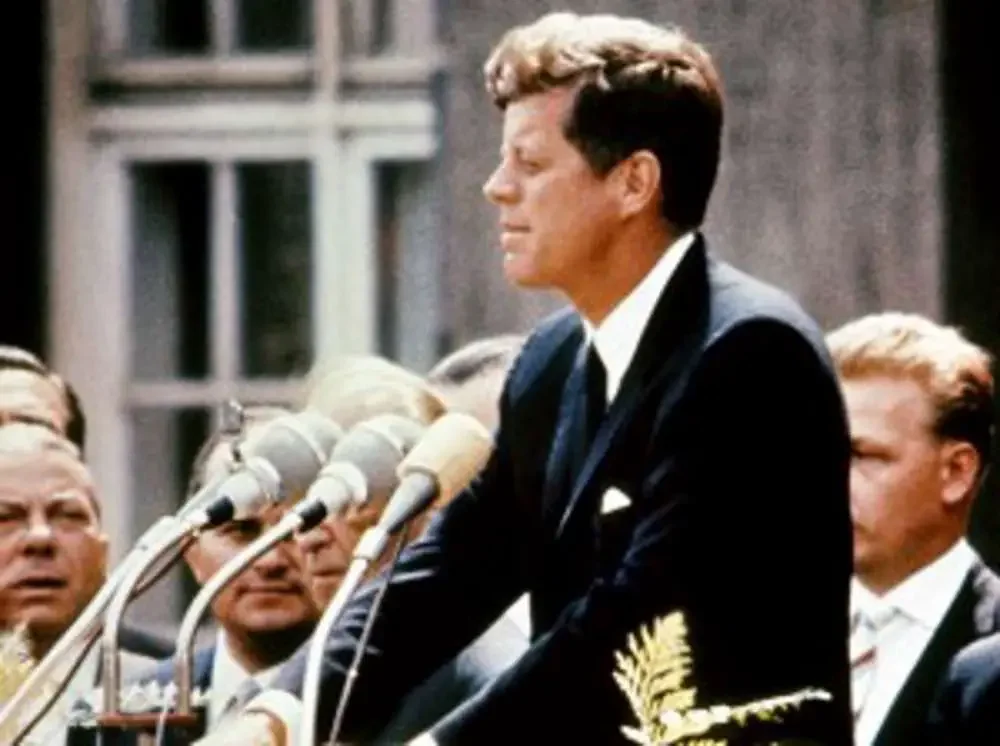
“Ask not what your country can do for you—ask what you can do for your country” - Former President John F. Kennedy
Every week, millions of Americans tune in to watch the news across thousands of local and national networks; but it is not the reporters in well pressed suits and dresses that keeps them coming back. It’s the theatrical nature of the modern political scene. Whether aware or not, human beings crave drama and excitement. This draw to the unsettling and intense is dangerous anywhere, but especially when it bleeds into that which is meant to be the most formal of proceedings.
Reality TV and modern politics share a distinct set of similarities that they decidedly should not. The most major of all being that they both feature wealthy, out of touch individuals with positions of social power who appear to have a habit of lying to and manipulating their peers and the rest of humanity. Between court room procedures and Presidential debates, civility, respect, and a general sense of maturity has fallen to the wayside in political proceedings.
Today’s politicians know that they need to think outside of the box, or rather, to put themselves into one; enter: social media. It has become commonplace for politicians to appear on TikTok, X, Instagram reels, and even facebook. Most notably, none other than the President of the United States, Donald J. Trump. President Trump is unfortunately, largely known for his incessant and often ill-intentioned (as well as ill-researched) posts . He shares everything from supposedly confidential government information to his aspirations for seizing countries that are, and let’s really sound this one out, NOT FOR SALE. It is truly sad when a President believes that a healthy and effective way to communicate with his constituents is through not only a social media site, but a dying one at that. This lack of formality is not present only in online government outreach, either.
Presidential debates are a time meant to aid in the formation of the American people’s voting ideology as well as confidence in the proposed candidates. 90 minutes where two opposing forces come together and highlight their differences in a respectful and productive way. It's sort of like family thanksgiving, except with less pie and more national debt discussions (hopefully, at least). Nevertheless, the formality of these debates is paramount to their success. This is why, in the past decade when eye rolls, interruptions, mocking, and unrelated jabs have been thrown, it has been particularly disappointing. The American people have been repeatedly disrespected and misled by their political officials, on and off the stage.
Social Media can be an incredible political asset, particularly in an ever changing and modernizing world where print journalism is unfortunately less common and young voters feel more comfortable receiving their dose of political updates via a social media feed. In order for it to be such a beneficial resource, however, it must be handled respectfully, responsibly, and with concern for the better good of one's figurative (and literal) followers.
Politicians are meant to be leaders in how to have productive political discussions. After all, it is their entire career. Without these positive examples, the American people begin to reflect the disarray of their government. This is not to say that the government has ever been perfect, nor have people always been able to have productive, well-mannered conversations unprompted, but rather an effort to highlight the degradation that political communication has experienced in recent years.
There needs to be a sense of responsibility from our country’s leaders. That is the very least that the American people should be able to expect from their elected officials. In order for a country to thrive there must be a mutual trust between leader and followers; and in this case, followers does not mean the running total placed next to a profile picture of a summer vacation or family dog, it means those who make time to go to the polls, those who tune into the nightly news, those who protest peacefully because they love their country and want to see it thrive. Those people deserve government officials who care about them and their wellbeing.
It was president John F. Kennedy, who once said, “Ask not what your country can do for you—ask what you can do for your country," during his 1961 Inaugural address to American citizens everywhere. Politicians work for their country, not for themselves. It’s time they start acting like it.