
In America: Maine’s Police Deadly Force Panel Wants Stronger Systematic Care For Mental Illness
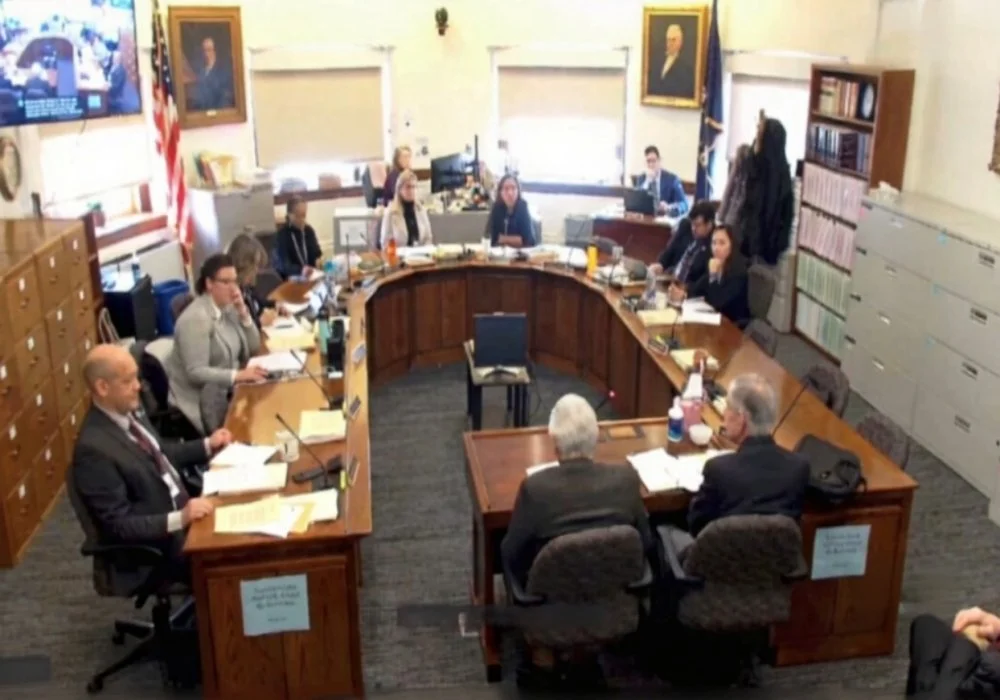
Maine's Deadly Force Review Panel calls for significant changes in the state's treatment and supervision of those with severe mental illness and violent backgrounds. This call for change occurs after the panel reviewed a 2024 officer-involved deadly shooting where Ryan Nichols, who suffered with mental illness, was shot and killed by police. The panel believes policymakers should pursue ensuring individuals with severe mental illness and repeated violent behavior receive the treatment and supervision necessary to avoid further encounters with law enforcement.
Fatal Shooting Of Ryan Nichols
37-year-old Ryan Nichols had an ongoing history of severe mental illness and violent behavior. In several violent cases involving Nichols, he was found incompetent to stand trial leading the cases to be dismissed. Within a five-year span, Nicholas would be released without a proper mental health treatment plan and reoffend numerous times.
On November 30, 2024, the Westbrook Police Department responded to a report of a domestic assault. Nicholas was allegedly at his parents’ residence and harming them. Responding officers were informed by department records that Nichols had multiple active arrest warrants, was suicidal, and had a history of being violent towards others. After officers arrived, Nichols was uncooperative and fought with three officers attempting to arrest him. Over several minutes Nichols remained aggressive towards officers and was resistant to less-lethal weapons used by the officers attempting to subdue him. Nichols reportedly grabbed a large metal pipe and attempted to strike the officers. Officers then fired their service weapons striking Nichols who would die from his gunshot injuries despite receiving emergency medical efforts.
Westbrook Police Chief Sean Lally stated, “This was a tragic and completely unnecessary incident. It placed Westbrook officers in an unenviable position where they were forced to use deadly force to stop a violent threat, a situation that could have been avoided had Nichols been in a secure mental health facility or appropriate custodial environment.”
Gaps In The Mental Health & Criminal Justice Systems
The panel calls for legislation supporting the development of a strong systematic relationship with the criminal justice system and mental health care.
In Maine’s Sixth Annual Report of the Deadly Force Review, the panel said, “These incidents highlight significant gaps in Maine's mental health and criminal justice systems. People deemed incompetent to stand trial but who pose a consistent and serious risk of harm should not be repeatedly released into the community without proper treatment and close supervision.”
Currently, Maine law doesn’t require individuals who pose a likelihood of serious harm to state mental health treatment. Title 15 §101-D is Maine’s court procedure with mental examination of persons accused of a crime. This statute explains that when a court finds someone to be not competent to stand trial and won’t be in the foreseeable future due to mental illness, the court shall dismiss all charges against the defendant. Although not required, the court may notify the appropriate authorities who may institute civil commitment proceedings for the individual. The panel has proposed Maine policymakers update the law to require judges to order state involuntary-commitment mental-health examinations for defendants who have been determined to pose a likelihood of serious harm to themselves or others. Defendants would then be under the custody of the Department of Health and Human Services where they could receive a proper mental health treatment plan.
Are Mental Issues Correlated With Imprisonment?
In 2022, Senior Research Analyst Leah Wang with the Prison Policy Initiative discussed ongoing issues within the U.S. prison system. Referencing a report by the Bureau of Justice Statistics, Wang found a pervasive rate of mental health concerns amongst incarcerated individuals in the United States. 56% of state prisoners reported mental health problems and 43% at some point had received a diagnosis of a mental disorder. Despite the alarming rate of individuals in prison experiencing mental health problems, only 26% of prisoners reported having received professional help for their mental health while incarcerated. A mere 6% of prisoners claimed to have been currently receiving counseling or therapy. When compared to the general population, the prison population experiences a significantly higher rate of mental health problems than the U.S. population and yet receives less treatment. In 2024, the National Alliance on Mental Illness reported that 23.4% of U.S. adults experienced mental illness while 52.1% of those with mental illness received treatment.
Most individuals with mental illness released from prison or custody do not receive adequate mental health treatment. A 2025 study in Health Affairs Scholar examined behavioral‑healthcare use after jail release. It found that post‑release behavioral healthcare utilization is limited. Examining the incarceration records of over 61,000 individuals over a span of 13 years, only 27% used outpatient mental health services post-release. 18% of these users only engaged in mental health services one time after release.
Access to mental health services depends heavily on geography and program availability, not a universal system. The United States does not have a well-established relationship between the criminal justice and mental health systems. Research indicates mental health treatment has been shown to significantly reduce recidivism rates amongst individuals with mental health disorders if treatment is sustained after release, integrated with substance-use treatment, supported by community services, and a part of a coordinated justice-health partnership.
Why Is There A Lack Of Collaboration Between The Criminal Justice System & Mental Health System?
In 2014, the American Psychological Association released its National Research Council report where they concluded that American tough-on-crime policy negatively contributes to the handling of people with mental health issues. The council believes past policy change resulted in mental illness being inefficiently handled socially. From the 60s to the 80s, politicians pursued punitive crime control policies. During this time, the deinstitutionalization movement began; this movement encouraged the shut down of a majority of long-term psychiatric hospitals in the United States due to criticisms for past mental institution conditions, advancements in psychological medicine, and the civil rights movement. The goal was to replace mental health treatment facilities with community-based mental health services like outpatient care and rehabilitation services. A lack of community resources nationwide resulted in mental illness being widely untreated and instead incarcerated. Decades later, the United States has the largest incarcerated population in the world.
The relationship between the criminal justice system and mental health system has historically lacked collaboration. An inadequate connection between these systems in the U.S. has led mentally ill individuals to be imprisoned while receiving minimal mental health treatment. The Deadly Force Review Panel’s support for providing mental health services to those with mentally illness could reduce recidivism and incarceration. It could be a policy, if adopted nationally, that benefits the country.
