
Caribbean Review: Could America’s Military Operations Impact Caribbean Tourism In Saint Lucia?
Simon Hurry
Introduction
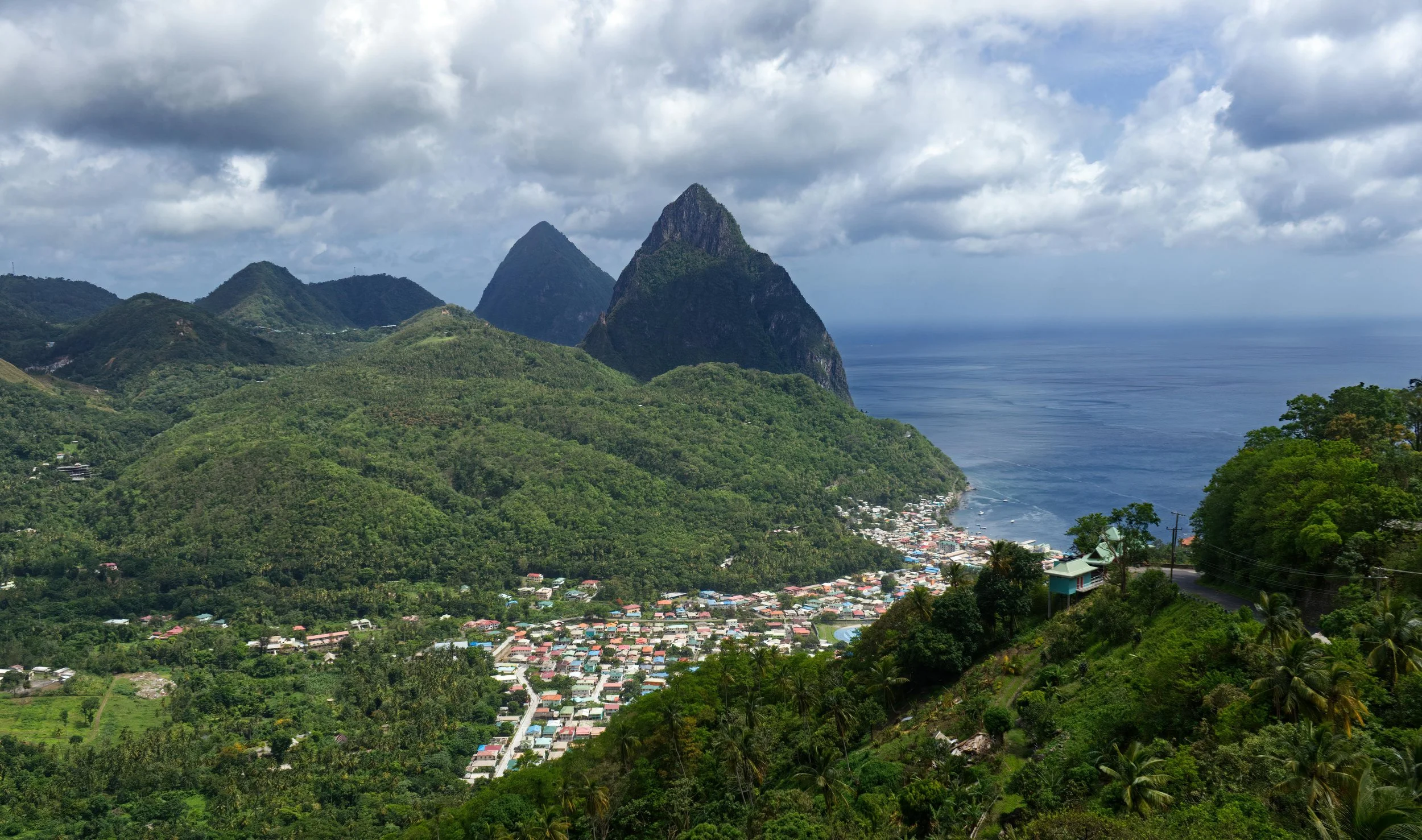
Saint Lucia has experienced a record breaking start to the year in their tourism sector. However, there are growing concerns from the community, with questions circulating if Caribbean leaders should be worried over the growing uncertainty regarding recent United States military operations.
Impact on the Community
According to news reports, Saint Lucia recorded its highest tourism levels on record in January, welcoming 37,691 stay-over visitors alongside significant cruise growth. The figures signalled a strong start to the year for the island’s tourism-dependent economy, reinforcing optimism among hoteliers, tour operators, and small business owners.
However, that momentum now risks being overshadowed by security concerns following reports of U.S. military strikes in Caribbean waters. In addition, sources further report details of operations that resulted in fatalities, including Saint Lucian nationals, with fishermen among those feared dead. For lower income families, fishing is not just a trade. The decision to fish is a decision to put food on the table and everyday they are making the choice to risk their lives in favor of their livelihood.
The strikes, described as occurring predominantly in waters near Saint Lucia, have prompted anxiety within coastal communities. Local fishermen have expressed fear, with one stating that they were “scared to go out to sea”. For many families, fishing represents both cultural heritage and a primary income source, raising wider economic concerns that extend beyond tourism. Genuine concerns have been mounting to return to their trade out of fear of being caught up in the operations. The long-term impacts include potential issues with food shortages and household stability.
Industry analysts warn that even the perception of instability can have tangible consequences. The Caribbean’s tourism model relies heavily on its international reputation for safety, tranquillity and natural beauty. Should travellers associate the region with military conflict, even if incidents are geographically limited, booking patterns could shift.
Cruise operators and airlines, which operate on tightly managed risk assessments, may also reconsider routes if tensions escalate. Shared maritime space between Caribbean nations and U.S. operations further complicates the issue, particularly where commercial fishing and recreational boating intersect with military activity.
Government's Response
The U.S government determined in 2025 that they had a duty to escalate operations within Caribbean waters that limited the drug trafficking between the U.S and Caribbean regions. This task was aimed to reduce the amount of the drugs being circulated into U.S territories. However, this has resulted in around 193 human deaths. It is important to note these figures are just the ones that have been publicly declared by the U.S Government.
U.S strategy within the Caribbean is part of a wider operation called Southern Spear, targeting boats allegedly engaging in drug smuggling. These regions including Venezuela coast lines and Puerto Rico have also seen a larger presence of U.S surveillance.
In response, organizations such as the United Nations have declared that some of the aforementioned incidents have violated international law, which pose potential to place these operations under investigation. In October 2025, CARICOM issued a strategy to work closely with nations such as Trindad and Tobago in efforts to suppress the drugs trafficking within the region. However the organization states that their priority is to decrease drug trafficking whilst maintaining the safety of people who reside within these areas.
Critics have criticised the U.S strategy as having no guaranteed information that 100% assures that the boats being targeted are linked to drug trafficking. This has been a recurrent issue, leading to demands that the U.S. Secretary of Defense step down.
The Department of Fisheries in Saint Lucia has reassured nationals if fishermen stay compliant with regulations of fisherboats including size, licensing and vessel standards, they should be able to return to work as usual. Although within this statement, there was an acknowledgement that safety can not be 100% guaranteed as the information that is being used to target these vessels is not verified.
At present, no official advisories have suggested a widespread threat to visitors. Nevertheless, tourism stakeholders are closely monitoring developments, wary that prolonged military presence could undermine consumer confidence during what was projected to be a record-breaking year.
Regional governments have yet to announce coordinated diplomatic or security responses, though calls for transparency and reassurance have intensified among affected communities.
Wider Impact
The immediate issue that needs to be recognized is the threat to livelihoods, with a genuine threat to risk of death, as governments have predicted that this would impact many lower income families within the Caribbean who already work within the trade. Many fishermen would also have to risk assess daily if it is safe to continue fishing including threat to life furthermore, they could potentially lose vital equipment if they were to be caught in a military operation. Long term, this will disrupt food chain supplies within the region whilst also increasing unemployment with no current strategies to support those affected.
Other sectors such as tourism looking towards resorts and hotels long-term could end up having to lay off staff, if the operations continue. This is a genuine risk as these numbers of deceased seem to be climbing rather than falling.
A Cambridge University paper highlighted that in regards to culture, there may be a withdrawal from engaging with community coastal events due to the unknown duration of these operations. Which could develop into a suppression with potential future loss of cultural practices.
Currently the authorities have not addressed these long-term concerns, providing short term solutions that do not address the genuine concerns of the community with actions that prevent these consequences listed above. Furthermore, the more this continues the bigger risk that becomes of distrust forming between the locals and government.
For now, the question remains: can Saint Lucia sustain it’s tourism growth amid rising geopolitical tensions, or will foreign military operations cast uncertainty over one of the region’s most vital industries?