
Inside Africa: Angola’s New Mining Rules Meet a Young Workforce That Refuses to Be Left Outside the Fence
dominik vanyi
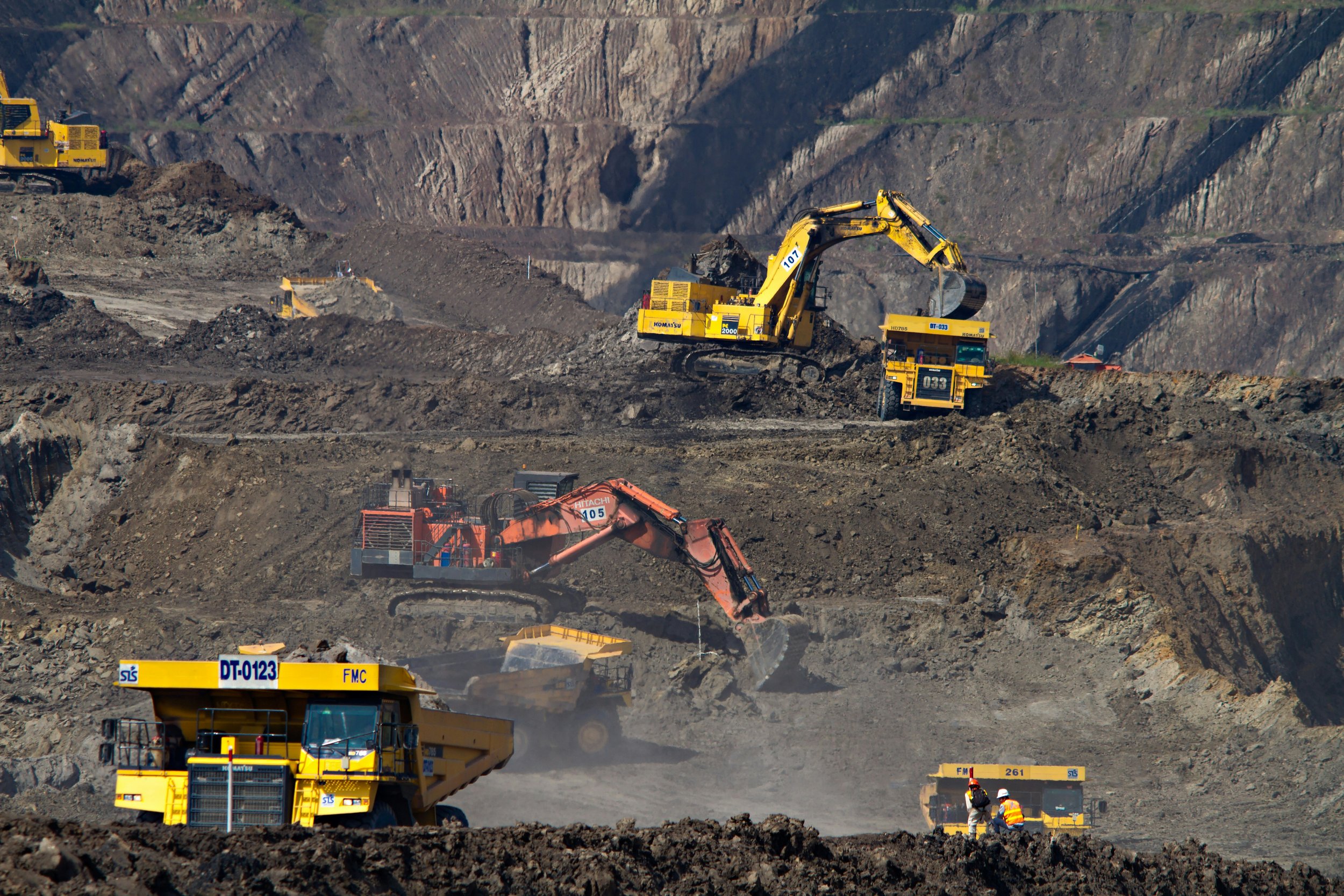
Angola is tightening the rules on who can benefit from its mineral wealth, but the real test of the country’s 2025 mining push lies in how young engineers and technicians leverage local‑content promises in their negotiations with Chinese and European firms to turn projects into careers and domestic supply chains.
Angola’s mining and hydrocarbons policy has steadily moved toward strengthening domestic industry, requiring companies to prioritize Angolan suppliers, hire and train Angolan staff, and involve local communities in projects. Under the mining code, operators must comply with rules on recruitment and training of Angolan nationals, procurement of local goods and services, and mitigation of community impacts, framing local content as both an economic and social obligation. This is unfolding in a country that long relied on foreign technical expertise in extractive industries, particularly during post‑war reconstruction, which left a legacy of skills gaps and segmented labor markets between foreign and Angolan workers.
The launch of a national Digital Mining Cadastre in 2025 signals a shift toward more transparent, rules-based management of mineral licenses and compliance, including how companies meet local‑content obligations. The platform digitizes licensing and monitoring, making it easier to track who holds concessions, what obligations they have, and whether they are fulfilling commitments to local jobs and supplier participation. At the same time, the Ministry of Mineral Resources is linking new projects with ambitions for domestic value addition, from planned diamond cutting facilities to metallurgical silicon production. The government’s pitch is that processing minerals inside Angola should create skilled jobs rather than just export raw ore.
Major operators and Angola’s upstream regulator are engaging in capacity‑building efforts to create the young technical workforce needed to meet and enforce local‑content targets. Industry‑funded STEM and vocational programs, such as multinational scholarship schemes, technical fellowships with mining and oil‑and‑gas institutions, and cooperation agreements with Angolan universities, are aimed at producing engineers, geologists, and technicians who can step into project design, operations, and regulation roles. The National Oil, Gas & Biofuels Agency (ANPG), for example, has linked capacity‑building to its broader upstream strategy, backing skills‑management projects, scholarship funds, and cooperation programs with universities to improve technical training and knowledge transfer.
China’s expanding role in Angola’s industrial and mining value chains has come with a growing emphasis on vocational training and talent development as part of bilateral cooperation. Angolan and Chinese officials now publicly depict joint mining and industrial projects as intertwined with the goal of upgrading Angola’s industrial chain and “enhancing capacity for independent development,” including training local technicians inside industrial parks and factories. In practice, this means young Angolan engineers are increasingly working inside Chinese‑backed manufacturing and processing facilities, where they gain hands‑on skills that can be transferred to mining equipment, logistics, and maintenance. Some analysts and civil‑society voices, however, warn that if these projects remain tightly controlled by foreign investors, training programmes may entrench new forms of dependence and debt rather than building a genuinely domestic industrial base.
Within this landscape, service‑company associations have become important negotiators on local content and youth employment. The Association of Service and Equipment Companies of Angola (ASSEA) launched the “Action for 20%” initiative in October 2024, seeking to increase local‑content participation in the energy sector from about two percent to 20 percent, explicitly positioning local companies and workers as partners rather than peripheral contractors. The initiative seeks to steer foreign investment so that it integrates Angolan firms into supply chains and backs human‑capital development, including internships and on‑the‑job training for young professionals.
Because many foreign mining and energy operators are Chinese or European, these initiatives effectively set the terms of negotiation between young Angolan engineers and foreign project managers: companies that want to win or keep contracts must demonstrate progress on hiring Angolan staff, using local suppliers, and funding training pipelines. Internships and early‑career placements are particularly important, with sector stakeholders noting that youth employment and the inclusion of women in operational and management roles are emerging as explicit goals in local‑content discussions.
Studies of Chinese firms’ labor practices in Angola show a pattern of segmented labor markets, where higher‑skilled positions and managerial posts are often held by expatriates, while locals fill lower‑paid or less secure roles. However, research also highlights a gradual convergence in expectations: African governments and professional cohorts increasingly push for training and promotion of local staff, while Chinese firms, operating under tighter local‑content rules, have increased their reliance on African workers and technical personnel over time. In Angola, evidence from Chinese‑owned enterprises in infrastructure and industrial projects indicates that Angolans already comprise a significant share of the workforce in many sectors, including technical positions, though wage gaps and promotional barriers remain.
European and other foreign companies, bound by the same Angolan legal framework, face parallel pressures to demonstrate local procurement, training programs, and community engagement. For young Angolan professionals, this creates negotiation leverage: they are not just job candidates, but also the human infrastructure that allows foreign firms to meet regulatory obligations and operate under increasingly stringent expectations of local content. Their bargaining power is reinforced when they organize through professional associations, supplier networks, or university partnerships that can collectively insist on clearer career paths, certification standards, and technology transfer commitments in contracts.
Angola’s challenge lies in whether today’s regulatory momentum and training experiments will lock in durable skills before the next price downturn or political shift. The Digital Mining Cadastre, local‑content clauses, and initiatives like “Action for 20%” together create a framework in which foreign mining and energy companies are expected to fund training programs, hire Angolan engineers, and deepen domestic supply chains rather than feed an enclave model. The risk, as past African experiences with extractive industries show, is that without sustained enforcement and institutional capacity, local‑content rules can be met on paper while core technical decision‑making and high‑value services remain offshore.
For Angola’s emerging generation of engineers and technicians, the stakes are unusually high. If they can translate new regulations and partnership deals into recognized qualifications, stable career ladders, and competitive domestic firms, they stand a chance of turning mineral‑sector demand into an enduring skills base. If not, the country could find itself with another cycle of short‑term training programs and precarious jobs tied to foreign‑run projects, leaving the promise of national participation in mining largely symbolic once the commodity cycle turns.
