
Mzansi Now: Struggles And Successes Of Foot-And-Mouth Disease Vaccine Roll-Out
Mufid Majnun
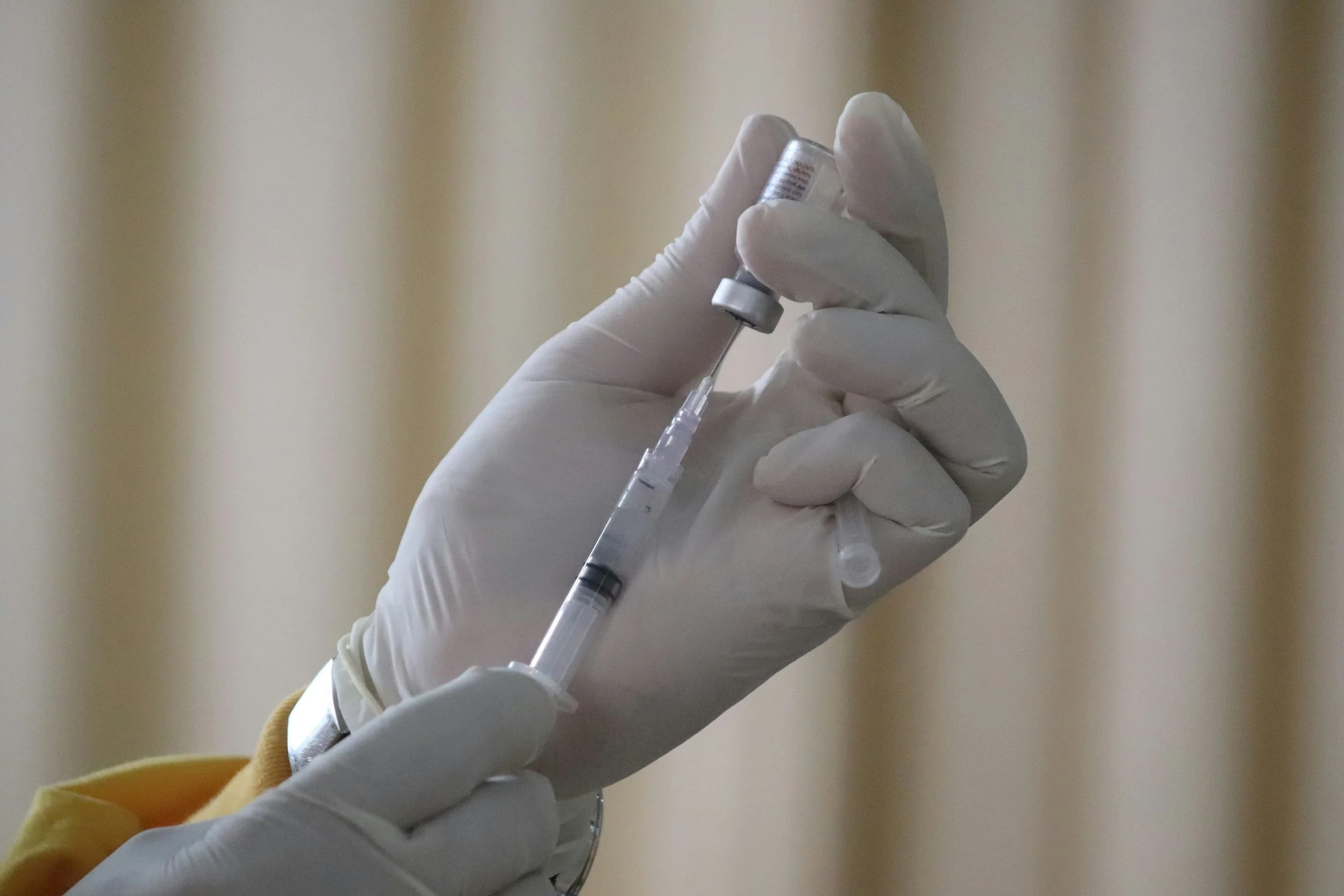
South Africa is racing to contain the largest outbreak of foot-and-mouth disease (FMD) in the nation’s history, as officials balance urgent vaccination efforts with mounting economic losses in the agricultural sector. While more than 1.7 million cattle have been vaccinated since February, delays in procurement and distribution have exposed deeper structural challenges in the country’s animal health system.
The current outbreak began in 2021, but picked up speed at the end of 2025, placing increased pressure on veterinary services and the agricultural economy. By the end of January 2026, there had been 202 confirmed cases in Free State, 73 cases in Gauteng, and 200 cases in KwaZulu-Natal, with smaller outbreaks in every other province except Northern Cape. Though immunization efforts are currently underway, procurement was slow to start, as vaccines could only be acquired by the national government. The lengthy regulatory process, entailing importing, checking, and administering the vaccines, allowed the rapidly spreading disease to go uncontained for months, plaguing farms across the country. Finally, disease control is beginning to take effect, but not without its challenges.
Impact On Farmers
Experts have referred to FMD as a “trade sensitive disease”, where farmers who are looking to sell their livestock, animal products, and crops can no longer put their goods up for sale. While the disease has not produced a high mortality rate among adult animals, the economic impact has been devastating, with beef exports falling by 26%, and milk production declining from 26,000 litres to about 23,000 litres daily. Infected cattle produce less milk, gain weight more slowly, and suffer long-term health complications. Angus Williamson, the vice-president of KwaZulu-Natal Agricultural Union and provincial chairperson of the Red Meat Producers Organisation (RPO), said, “The losses are each in the millions, and some dairy farmers have lost between six and eight million rands. That is monstrous.”
On February 12, 2026, during the State of the Nation Address, President Cyril Ramaphosa declared the disease outbreak a state of national disaster. The move came after ActionSA and the Democratic Alliance (DA) had made public announcements pushing for Ramaphosa to make this declaration. The new state of emergency status allowed for police and law enforcement agencies to set up livestock transport checkpoints on major trade routes, limiting the spread of the virus to uncontaminated farms. The declaration also unlocked emergency funding mechanisms, allowing the government to accelerate vaccine imports and expand vaccination campaigns without waiting for standard budget approvals. This was particularly important given the high cost and limited global supply of FMD vaccines.
Roll-Out Delays
In late March of this year, roll-out delays in KwaZulu-Natal had farmers anxious to keep their livestock in good health until they could receive the vaccine. On February 27, 2026, Minister of Agriculture John Steenhuisen announced that the vaccine would arrive in the province by March 15, 2026. But when the deadline came and passed, KwaZulu-Natal still did not have vaccines for its animals. The deadline was then pushed to the end of March, and by March 25, 2026, some farmers had received their doses — not nearly enough. According to Williamson, the RPO had only received 20,000 doses, while around 800,000 animals in the province awaited vaccination.
The process of approving, importing, and distributing vaccines is long and complicated. Firstly, the vaccines imported from Turkey, Argentina, and Botswana must be matched to the strain of FMD that has infected animals in South Africa. Secondly, the vaccines must be approved by the South African Health Products Regulatory Authority (SAHPRA) and granted a Section 21 permit for import. Thirdly, the vaccines must be quality checked by the SAHPRA once they arrive in South Africa. The vaccines are then sent to Pretoria, where a livestock pharmaceutical company arranges for the vaccines to be distributed to each of the nine provinces where FMD is present. Finally, registered state and private veterinarians go to each farm to administer the vaccines.
This process alone takes weeks to complete, without accounting for funding issues and vaccine shortages. While the lengthy regulatory process is important to ensure animals are receiving effective vaccines, FMD can spread through direct contact, contaminated environments, or airborne particles, within as little as two days of exposure. Once one animal on a farm is contaminated, the rest of the farm is at risk, with the disease spreading faster than vaccine roll-out can keep up with. Pigs in particular have been known to be a “disease amplifier”, spreading the sickness faster than animals like cows or sheep. Because this case of FMD has been the first South Africa has seen with infected pigs, the spread of the disease has occurred at a faster rate than ever before.
A New System
The existing legal framework for FMD management is over forty years old, developed long before an outbreak of this scale had ever been seen in South Africa. New strategies have been implemented to speed up the process, like the “vaccination-to-live” method, which prioritizes vaccination over culling and forgoes traceability as a necessary step. But those in the agriculture industry are still unsure of which regulatory processes are in place and which have been amended amidst the crisis.
Dr Frikkie Maré, CEO of the RPO, agrees that the existing system needs reform. “What we need right now is a steady flow of vaccines into the country,” he said. “There is still too much uncertainty about the Section 21 permits that SAHPRA should approve. We further need clarity on the final regulations on [how] the process will work from here.”
On January 14, the Department of Agriculture announced a new 10-year program for managing the disease, including nationwide vaccination, stricter controls on animal movement, and a digital livestock traceability system. The program aims to restore South Africa’s FMD-free status within the next five years by vaccinating 100% of dairy herds, 90% of commercial herds, and 80% of communal livestock. The program also includes reforming existing legislation, which will require long-term coordination from veterinary agencies and government officials to ensure disease control can be implemented in a more efficient manner going forward. While there are still challenges in vaccine roll-out and inter-agency coordination in the months ahead, the worst appears to be behind the farmers affected by the FMD crisis.