
South Pacific: New Caledonia’s Ongoing Battle for Independence
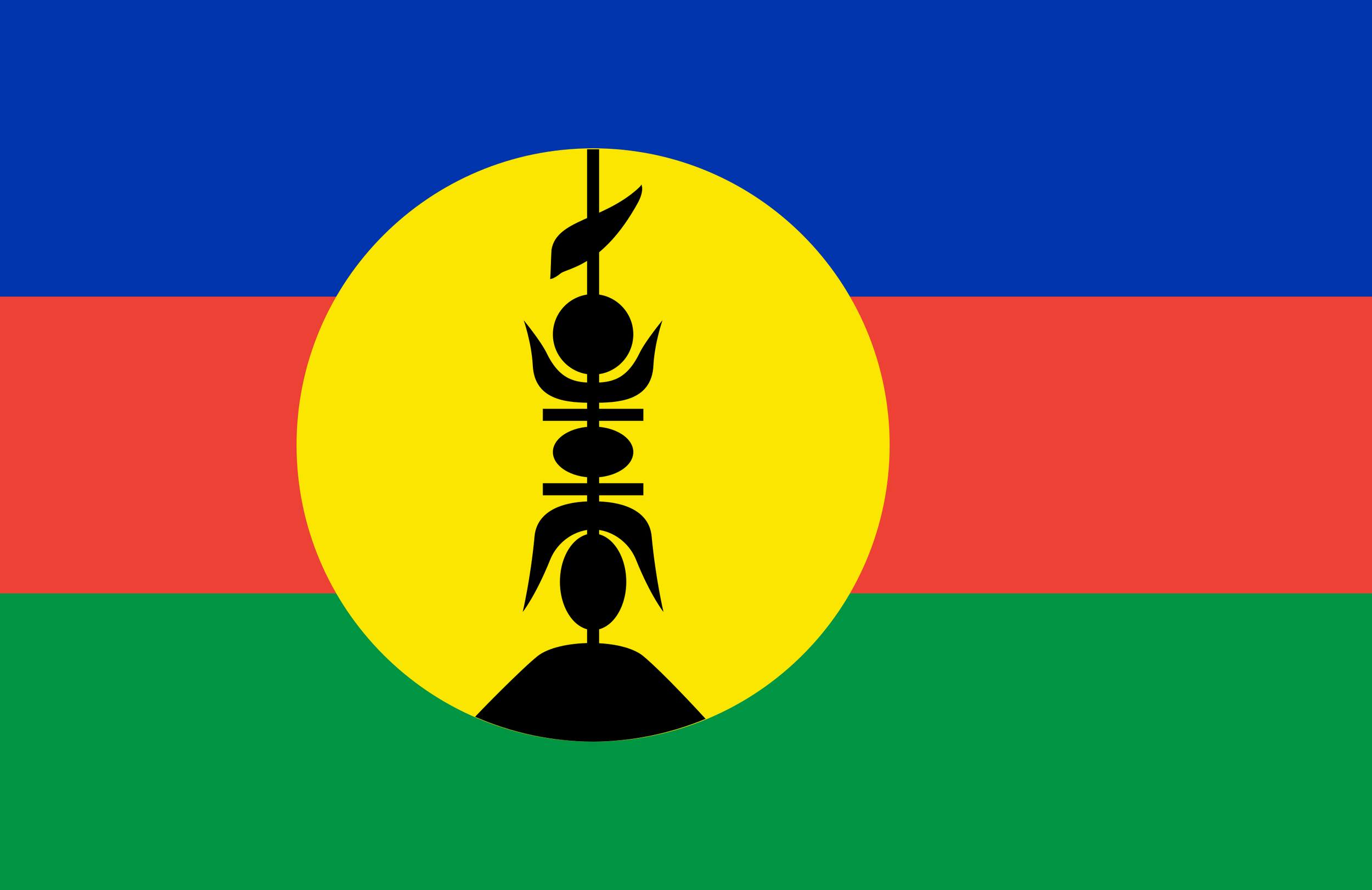
New Caledonia is widely appreciated for its natural climate, with dozens of stunning lagoons. However, behind this glow of nature, New Caledonia has been fighting an independence battle with the French government for roughly half a century . The momentum gained significant traction in the 1970s which led to the progressive 1998 Nouméa Accord. This agreement was originally hailed as a model for peaceful decolonisation due to its acknowledgement of existing custodians of the land, the indigenous Kanak clan, and a promise of negotiated politics rather than continued repression. However, in this current decade, critics often note the process to decolonisation has been stalled, and new laws being implemented make it seem virtually impossible to achieve independence despite having multiple referendums. This has recently culminated in violent protesting and the arrest of the pro-independence leader Christian Tein, leading to worries if a solution is not found, chaos will ensue.
Historical Context: From Decolonisation to Nouméa
New Caledonia’s current political state cannot be understood without knowing how France attempted to negotiate independence. Specifically, in the 1980s New Caledonia saw increased violent protesting and disorder in the community and this eventually led to the Nouméa Accord in 1998. 72% of voters agreed with the Accord and thus gave it significant momentum.
The agreement was originally hailed as a progressive model for peaceful decolonisation for several reasons:
Most internal powers were to begin transitioning back to New Caledonia, bar defence, justice, and currency roles.
A specific and unique electoral roll was created for New Caledonian elections and referendums – excluding residents who arrived after 1998 – designed to protect indigenous Kanak political influence.
Most importantly, the Accord guaranteed up to three referendums on full independence between 2018 and 2022.
The agreement specifically declared a twenty-year institutional transition toward greater autonomy and, potentially, full independence.
Stalled Process
Despite its early promise, the negotiated process enshrined in the Nouméa Accord has not yielded a decisive outcome on independence. Instead, a series of political disputes over voting rights, electoral reform, and institutional frameworks have deepened mistrust between pro-independence and loyalist groups – culminating in violent unrest in 2024 and contested negotiations over New Caledonia’s future.
Referendums
Three referendums were held as promised in 2018, 2020, and 2021. The former two saw a narrow majority chose to remain a part of France. The last referendum was largely boycotted by pro-independence parties, who argued the COVID-19 pandemic largely influenced the indigenous communities' abilities to vote. The result was an overwhelming “no” vote (96.5%), but participation was unusually low and disputed. It was reported at the time that France acknowledged the boycott but nevertheless considered the result “final,” a position that hardened divisions rather than settling them.
"The Caledonians have chosen to remain French. They decided that freely," – French President Emmanuel Macron said in a televised address (Reuters, 2021).
The Electoral Roll Dispute: A Breaking Point
At the heart of the crisis lies the “frozen electorate” – a special voting roll created under Nouméa that limited participation in provincial elections to long-term residents. This mechanism was designed explicitly to prevent demographic dilution of the Kanak vote following decades of French settlement.
In 2024, the French government proposed constitutional reforms to expand voter eligibility, allowing newer residents to vote in local elections. Kanak leaders saw this as a fundamental breach of the Nouméa compromise. Specifically, that it would dilute the vote of the Indigenous Kanak Clan, mathematically making them vulnerable to votes affecting them directly.
Protests escalated rapidly, turning violent in parts of Nouméa. France declared a state of emergency and deployed additional security forces – moves that, for many Kanak activists, echoed colonial-era repression rather than negotiated politics.
The Bougival Accord: Autonomy Without an Exit
In response to the unrest, France and selected local leaders negotiated the Bougival Accord in 2025. The agreement proposed creating a “State of New Caledonia” within the French Republic, with its own nationality and expanded autonomy.
However, the accord does not guarantee a binding path to full independence. Control over defence, currency, justice, and constitutional change would remain with Paris unless further agreements were reached – agreements that critics argue France could indefinitely delay or veto. Major pro-independence groups, including the FLNKS, rejected the accord outright, arguing it replaced decolonisation with permanent dependency under a new name.
The Future: An Unfinished Decolonisation
What is unfolding in New Caledonia is not the collapse of a peace process, but the erosion of one. The Nouméa Accord was designed to transform a violent colonial relationship into a negotiated political future, yet its mechanisms have increasingly produced procedural closure or delay rather than genuine resolution. Referendums have been held, institutions restructured, and autonomy expanded, however, the core question of sovereignty remains unresolved in practice.
France continues to frame its role as that of a neutral guarantor of stability and legality. However, its insistence on finality following the contested 2021 referendum, combined with electoral reforms perceived as diluting Indigenous political power, has weakened trust in that neutrality. For many Kanak leaders, the issue is no longer whether independence was voted down, but whether it can ever be meaningfully achieved under the current framework.
The unrest of 2024 and the arrest of pro-independence figures such as Christian Tein underline the risks of allowing political ambiguity to harden into permanent limbo. History suggests that unresolved self-determination claims rarely dissipate quietly.
New Caledonia now sits at a crossroads. The Bougival Accord offers expanded autonomy, but without a credible or time-bound route to sovereignty, it risks entrenching dependency rather than completing decolonisation. If France wishes to preserve the legitimacy of the Nouméa legacy, it must confront a difficult reality: autonomy without an exit is not self-determination. Until New Caledonia’s future can be decided through a process that is both democratic and substantively open, the promise of peaceful decolonisation will remain unfinished – and increasingly fragile.