
India Insights: Kolkata, Stuck In The In-Between
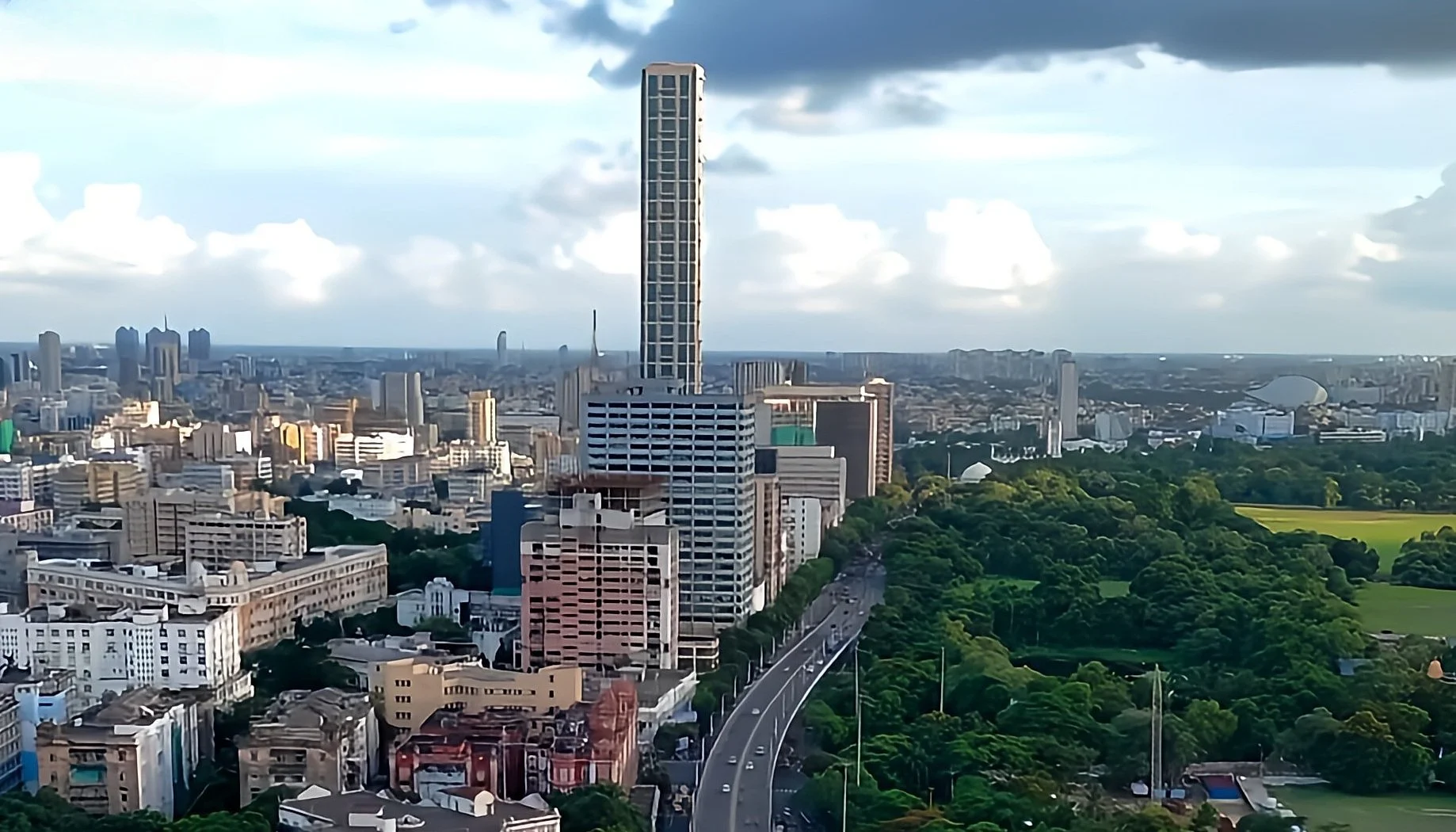
Kolkata is considered to be a city suffering from “grey time”. The term, introduced by Laura Salsbury, refers to places stuck in an endless waiting period without any progression. This is a stark contrast from Kolkata’s identity as the Jewel of the East in the 18th century, when it also functioned as the capital of British India. The city was the epicentre of jute, tea, opium, and textile trade, and, being the capital, was home to all important administrative buildings and the Supreme Court. The city thrived as the birthplace of the country’s first modern banking system. It was also the site of the Bengal Renaissance, with prominent figures such as Raja Ram Mohan Roy and Swami Vivekananda residing there. Its sewer system was designed akin to London’s to manage the sanitation and hygiene issues. Kolkata also had the first electrical tram services in Asia in 1902. Its wealth built up to a degree that it was known as the ‘City of Palaces’.
However, today, the city is crumbling with its untended colonial architecture, dated sewage system, overstretched public transport and unsafe buildings. So, what happened to the once prosperous capital of British India?
The Fall Of Kolkata
In 1911, British India moved its capital to Delhi, but Kolkata retained its economical significance. Everything changed when Bengal was partitioned between East Pakistan and West Bengal in 1947 upon independence; this led to an influx of refugees and a subsequent overpopulation problem. More residents meant more pressure on the infrastructure of the city. Moreover, Kolkata lost one of its most important industries in terms of trade due to the jute-growing field being located in East Pakistan while the jute mills were in Kolkata, which contributed to economic stagnation. In the 1980s small-scale commercial and business firms took the place of large manufacturing companies, and any investment stagnated because of stringent trade unions.
Kolkata Today
The city has many 18th- and 19th-century family homes constructed during British rule. These houses, which used to be homes to over 20 family members each, are now poorly maintained, desolate buildings. Part of Kolkata’s rich heritage, these privately owned mansions are unsafe for inhabitation; however, they offer cheap rentals for the city’s bustling population. People can pay 100 rupees ($1.67) to rent one of these unsafe accommodations compared to the usual 18,000 to 20,000 rupees ($195-$240) per month for a 1BHK in Kolkata. Many buildings have collapsed over the years, with a recent one in June 2025 killing one resident and injuring four others. Over 2,500 buildings in Kolkata have been declared as dangerous by the Kolkata Municipal Corporation, but tenants refuse to vacate in fear of homelessness, while owners don’t renovate due to low rent revenues.
Kolkata’s drainage system has been relied on since the colonial era. It is outdated and faces strain not only due to overpopulation but also because of climate change-induced extreme environmental events. Kolkata Municipal Corporation (KMC) has attempted to solve the problem through targeted interventions like desilting in vulnerable areas in order to prevent waterlogging.
In September 2025, a cloudburst revealed the shortcomings of the city’s aged sewage system. A cloudburst refers to a large amount of rainfall in a very short amount of time, which is a new phenomenon observed in Kolkata. There was severe waterlogging due to clogged drains, in turn leading to flooding in low rises and electricity cuts. The state is hesitant to introduce more effective sewerage solutions due to the exorbitant price of a new drainage system.
The city’s 152-year-old tram system is also facing extinction with the wave of modernisation. As the city is speeding towards modernity, the historical rumbling of trams is considered slower than buses and yellow taxis. The government of West Bengal is planning to shut all lines except one for heritage purposes.
The wave of modernisation is also erasing other heritage sites, including old buildings and hotels dating back to the 1800s. The Old Kenilworth Hotel is one such part of the city’s heritage, once a sign of the grandeur of Kolkata. It used to house many diplomats and politicians in its prime but is now demolished to construct a 62-storey residential building in the adjacent plot.
Kolkata’s current predicament reflects Laura Salsbury’s concept of “grey time”—stuck in its grand past and unable to integrate that past into its future. The innovations of British India, once built to serve its capital, could no longer bear the burden of demographic and environmental changes. Today Kolkata exists in a paradox where heritage is both romanticised and neglected, while modernity is only felt through erasure of heritage rather than its adaptation to contemporary times. The crumbling mansions, disappearing trams and clogged drainage of Kolkata are signs that the city is stuck in the waiting room with not enough political will and resources to carve out a sustainable future.
