
Far East: What Sea Turtle Decline Means for the Maldives
Maximilian Schäffler
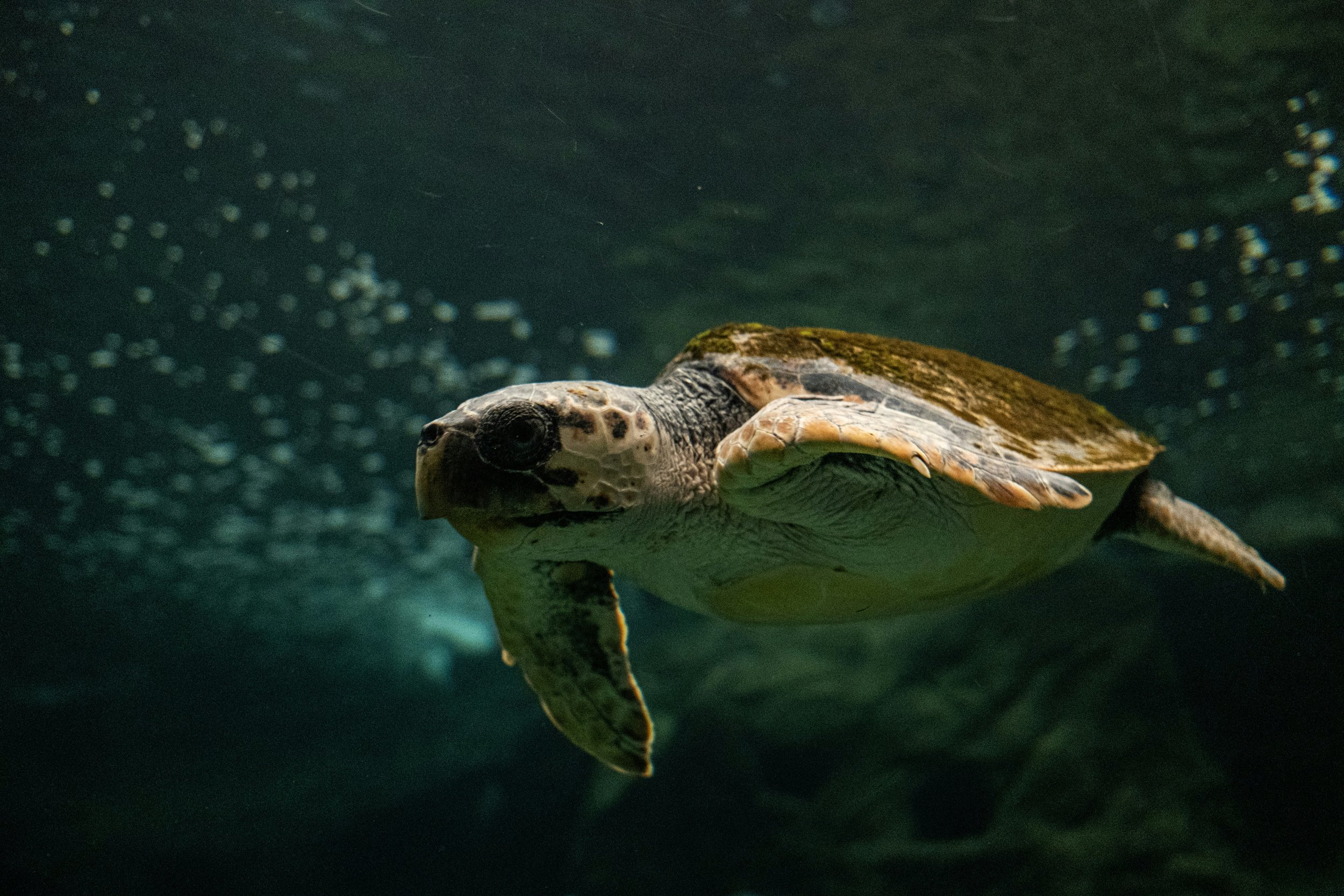
Sea turtle populations in the Maldives have long been severely declining. Hawksbill turtle nesting populations, for instance, have dropped by more than 95% since the 1980s, while green sea turtle nesting numbers have decreased by approximately 70–78% during the same period.
The Maldives, located in the central Indian Ocean, is an archipelago of around 1,200 islands. As an important habitat for sea turtles, the Maldives are home to five of the seven species of sea turtles: the green turtle (Chelonia mydas), hawksbill turtle (Eretmochelys imbricata), olive ridley turtle (Lepidochelys olivacea), loggerhead turtle (Caretta caretta), and leatherback turtle (Dermochelys coriacea).
In recent years, marine pollution and habitat loss caused by coastal development and reef degradation have increased. Light pollution, beach degradation and erosion, and other human activities have further intensified these threats. The sea turtle population decline in the Maldives is driven by a variety of factors; one such factor that is consistently overlooked is the illegal pet trade. Within this illicit industry, turtles are usually kept in tanks or aquariums with elevated risks of serious health problems. The Atoll Marine Centre, a turtle rescue and rehabilitation center located in the Maldives, has rescued 239 sea turtle hatchlings from the illegal pet trade.
According to The Maldives National Red List of Threatened Species, sea turtles are often taken for personal consumption as food and international trade commodities. Even though the Maldives have strong legal protection for turtles, the country’s geography make these protections especially difficult to enforce. Sea turtles in the Maldives are legally protected under the Environment Protection and Preservation Act (4/93), which prohibits catching, harming, or disturbing any turtle species. Furthermore, in 2006, the government imposed a 10-year ban on harvesting sea turtle eggs from 14 nesting hotspots. The Protected Species Regulation established additional rules on human interactions with wildlife, including restrictions on activities such as snorkeling. However, given the country comprises over 1,200 islands, it is nearly impossible to implement effective enforcement ubiquitously. Sadly, turtle egg and meat consumption still occurs across Maldives.
Why Protecting Sea Turtles Matters
Sea turtles play an important role in maintaining a healthy ocean ecosystem by sustaining habitat, balancing food webs, and preserving beach duns.
One of the sea turtle species, the green sea turtles, has a life cycle that naturally maintains the productivity of sea grass ecosystems. As one of the only large marine animals that feed extensively on seagrass, their eating habits help enhance productivity of their ecosystems. By feeding, these turtles trim the older parts of the seagrass blades, effectively enabling new growth that is richer in nutrients. Without regular grazing, seagrass beds can become overgrown, which would obstruct water circulation and reduce light reaching the seabed. Eventually, if the seagrass keeps accumulating and decomposing, slime molds and other organisms that degrade the habitat will grow.
Furthermore, hawksbill sea turtles play an important role in coral reef ecosystems. Because they feed primarily on marine sponges, their eating habits regulate sponge populations on coral reefs - similarly to the way green turtles regulate seagrass. When hawksbill turtles consume sponges, they alter the composition of reef ecosystems and create spaces for other organisms, such as reef-building corals, to emerge and grow.
Without hawksbill turtles, sponges could dominate in reef communities, which would limit coral growth and reduce reef biodiversity. Moreover, hawksbill turtles tear apart sponges when they eat. The torn sponge tissue is then exposed to other marine organisms as food they would not normally be able to access.
Another species, the leatherback sea turtles, are the largest species of sea turtle. They can grow up to nine feet in length. Leatherbacks primarily feed on gelatinous zooplankton, which are fragile animals that live in the water column in the ocean. Another common dietary choice for the leatherback sea turtles is jellyfish, which provide the energy and nutrition they need. An adult leatherback can consume large quantities of jellyfish in a single day, thus regulating jellyfish populations in marine ecosystems. Normally, these turtles can eat hundreds of jellyfish in a single day, up to 2,000 pounds accounting for approximately 16,000 calories.
A decline in leatherback turtle populations would therefore lead to substantial increases in jellyfish abundance in the ocean. As the largest sea turtle species, leatherbacks are also one of the most migratory, crossing both the Atlantic and Pacific Oceans. Pacific leatherbacks migrate from nesting beaches in the Coral Triangle to the California coast, where they feed on abundant jellyfish every summer and fall. However, though they are widely distributed across the world’s ocean, numbers of leatherback turtles have seriously declined during the last century due to the aforementioned illegal pet trade, egg collection, and fisheries bycatch. According to the International Union for Conservation of Nature (IUCN), the leatherback is now considered vulnerable and ‘Critically Endangered’.
Finally, sea turtles’ nesting activities also contribute ecosystem maintenance. Their unhatched eggs in nests provide nutrients such as nitrogen, phosphorus, and potassium to beach dune ecosystems. These valuable nutrients turn out to be a great support for the growth of coastal vegetation, stabilizing sandy shorelines and dunes. Consequently, the vegetation provides habitat and food for other organisms, influencing species distribution along coastal environments. According to researchers, sea turtle nests can fertilize beach ecosystems that are nutrient-poor by increasing their soil nitrogen levels. These added nutrients from nestings facilitate the growth of dune vegetation, stabilizing not only coastal dunes but also protecting shorelines from severe erosion.
Conclusion
Sea turtles are not only iconic marine animals but also vital parts of coastal and beach ecosystems and marine health and productivity. In the Maldives, however, their populations continue to decline due to habitat degradation, illegal trade, and challenges in enforcing conservation laws across the country’s many islands. Therefore, active efforts to protect sea turtles is not only about preserving a species, but also about enhancing global awareness and safeguarding the delicate balance of marine ecosystems. These ecosystems support a variety of species like coral reefs, seagrass beds, and marine animals - only through stronger conservation efforts and greater public awareness can sea turtles continue to survive and thrive in the Maldives.