
South Pacific: Papua New Guinea’s rise of women in Media
Media council PNG
Papua New Guinea: Women in Media
According to the UN and the Interparliamentary union and Human Right watch, gender inequality in Papua New Guinea is a very real issue in all facets of life. To name a few inequalities, statistics show two thirds of women in Papua New Guinea will experience sexual or violent assault in their lifetime, they often occupy less than 5% of parliament and their gender inequality index is consistently ranked poorly suggesting disparities in sectors like health and education. Potentially the most interesting cause for the gender gap relates to their prevalent sorcery accusation-related violence. The accusations overwhelmingly target women, highlighting how gender inequality is reinforced through cultural belief systems and acts of extreme systemic violence.
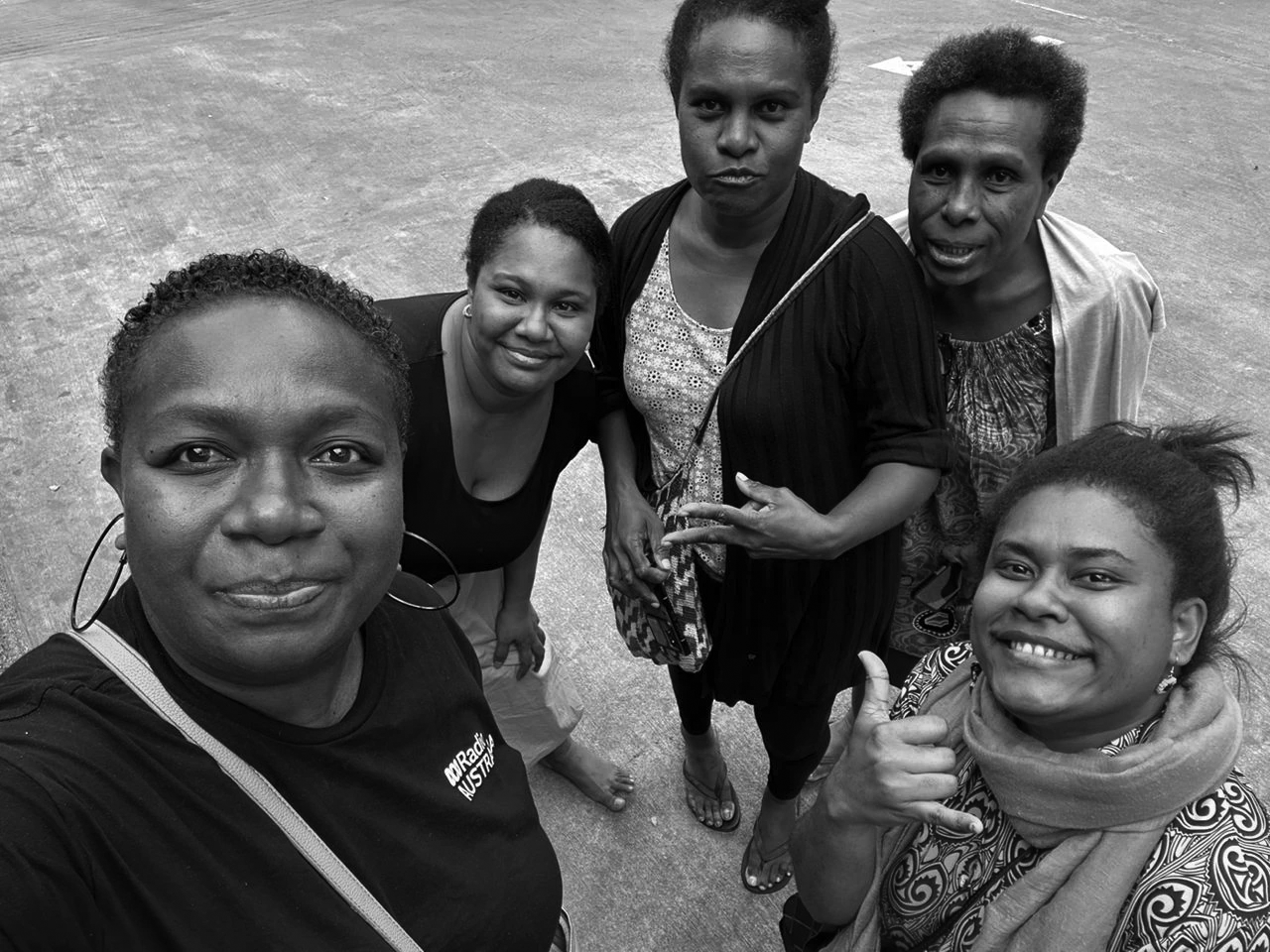
In light of these issues, a powerful tool to challenge inequality is the media, specifically journalism. In Papua New Guinea women are increasingly pushing boundaries in the media landscape by fostering new boundaries regarding gender stereotypes despite facing systemic inequalities and safety risks. Initiatives such as PNG Women in Media (WiM) network highlight how female journalists are creating spaces for themselves to tell stories without risks, especially about women's experience. What this initiative especially reveals is not just change for women, but also a better future by deciding who gets to tell stories in Papua New Guinea and, therefore, what this means for other smaller countries.
"Most days we are busy fighting other people's battles, we forget our own." – Rebecca Kuku, a senior reporter with The National newspaper
Being a Woman Journalist
The Reality of being a woman journalist in Papua New Guinea is shaped by emotional and ethical complexity. This is specifically highlighted in gender-based and sorcery accusation related violence (SARV) reporting which requires navigating deeply sensitive situations. Sometimes telling a story that can risk causing further harm to those involved, sometimes even themselves. SARV is defined as violence committed through sorcery, and importantly the Australian Broadcasting Corporation (ABC) highlights it as a deeply gendered form of violence, as almost all victims are female. Furthermore, women journalists are often at the forefront of these troubling narratives, most likely due to the safety victims feel around other women. Antonia Mission and Majorie Fineko lead this focus into community reporting against sorcery related violence. They are also a part of the PNG WiM Initiative.
“I remember, some years ago, I accompanied police to rescue seven men who were about to be killed, and I didn’t feel safe taking out my camera to record, even with the police there.” – Antonia Mission emphasising how intense and scary these situations can feel even when surrounded with protection.
As highlighted in a report that covers PNG journalists covering violence, women in the media are forced to balance their responsibility to inform the public with the need to protect vulnerable individuals. This is further highlighted in ABC’s stories covering SARV: reporters need to make immediate ethical decisions such as withholding identities in order to prioritize the safety of those involved, even when it limits the completeness of the story. In this context, journalism becomes not only an act of informing, but one of protection. This tension adds an additional layer to journalism that extends beyond professional duty, becoming a necessary personal burden.
“There are times when police officers don’t respond, or they shut me down when I’m trying to report on SARV, because of the fear of [my stories] causing further conflict between communities.” – Marjorie Fineko highlights the boundaries attempting to prevent fair reporting
Initiative and Change
Though the reality of reporting remains complex and often dangerous, initiatives such as the PNG Women in Media network demonstrate how change is daunting but necessary. Importantly these programs highlighted by ABC International Development show that these initiatives are not only increasing the number of women in journalism, but are also reshaping how media operates in Papua New Guinea.
Through guidance, training, and the creation of professional support networks, women are provided with safe spaces to foster practical skills and confidence needed to navigate the industry. This initiative is significant in a media landscape where institutional support can be limited, offering a sense of safety and solidarity that extends beyond the newsroom.
This shift is not only about participation, but about influence. Firstly, for many women in rural communities, these initiatives create rare opportunities to enter journalism, otherwise ignored. Therefore, as more women enter the field, the stories being told begin to change. Reporting increasingly focuses on issues historically overlooked, including gender-based violence, especially sexual assault, along with community wellbeing and everyday lived experiences. Community-based journalists, often working outside traditional media structures, further extend this impact by bringing attention to local realities that might otherwise remain invisible. In this sense, journalism becomes a shared and decentralized practice, shaped by those who have traditionally been excluded from it.
While these initiatives signal progress, Papua New Guinea is largely still constrained by traditional social and cultural structures. Therefore, these programs represent not a complete solution, but a necessary step towards a more inclusive and diverse media landscape.
The Future
Across the South Pacific, many nations share similar challenges surrounding women's representation in the workforce and media. The change seen in Papua New Guinea can potentially offer legitimate progress and frameworks for concrete progress to bridging gender inequality. These Papua New Guinea journalists, by navigating risk, redefining ethical journalism, and expanding the boundaries of representation, are not only reshaping the media landscape of Papua New Guinea, but also diversifying who gets to speak across the South Pacific.
The transformation in women's journalism across the country signifies more than a step forward for equality in journalism; it highlights a transformation within the broader society's perspective on women's capabilities. Papua New Guinea is widely recognized as a country with deep rooted gender equality issues, therefore, the ability for women to tell their stories and create the narrative they intend to share, carries significant ethical dilemmas unavoidable for countries long since avoidant of modern day acceptance of equality.