
Middle East: Middle East: “Citizens” Of Dubai
Nelemson G
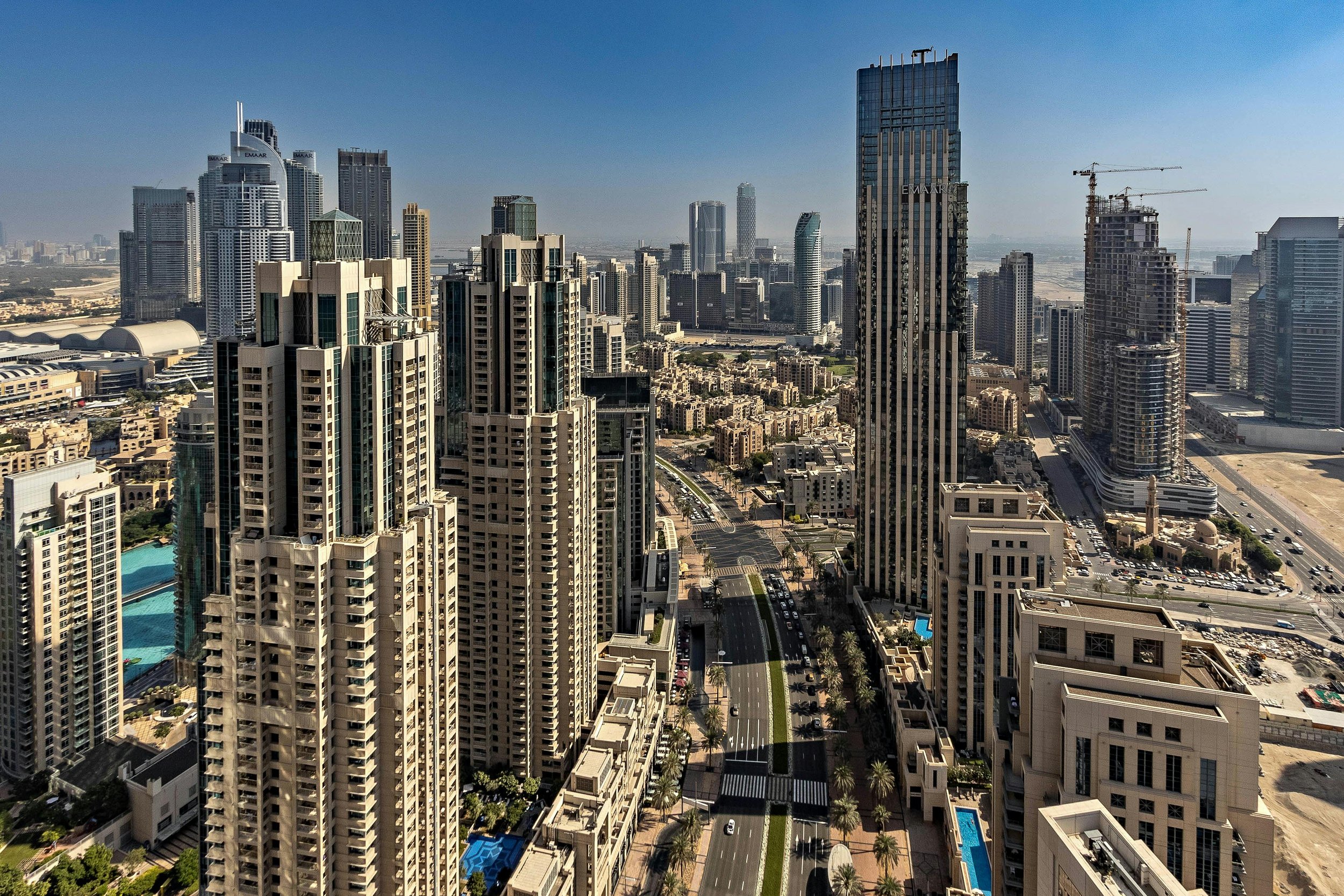
Dubai is usually known for its glittering skylines, luxury tourism, and its recent rapid economic growth. Home to the world's largest tower, man-made islands, and mega-malls, the city is known around the globe as a beacon of prosperity in the Middle East. However, beneath this performance of modernity lies a stark reality: the city’s picture-perfect prosperity is built on the backs of millions of migrant workers whose struggles paint a tragic picture of exploitation and abuse. Nearly 90% of the United Arab Emirates (UAE) population consists of international migrants, primarily low-wage workers from South Asia and Africa who have transformed a sandy coastline into an ultramodern hub. For many of these laborers, the “City of Gold” as many people know it is more accurately their “City of Slaves”.
At the heart of this exploitation lies the “Kafala” (Arabic for sponsorship) system, a legal and administrative framework that governs the lives of tens of millions of migrant indentured servants in the region. The word traces back to Islamic jurisprudence regarding legal guardianship, and the modern system arose in the early 20th century to regulate the pearl industry. While originally intended to ensure the safety and well-being of foreign workers who lacked social support networks, it has since devolved into a restrictive system that ties a worker’s immigration status directly to their employer, or kafeel (sponsor).
Under this system, the state delegates responsibility for the migrant “worker” to the employer, granting the latter extraordinary power over the worker’s ability to reside, work in, and even exit the country. This leaves workers’ autonomy in employers’ hands.
Because employment and residency visas are linked, the Kafeel holds a terrifying level of control over the worker’s legal status. In most situations, workers cannot change jobs or leave the country without their employer’s permission, creating a drastic power imbalance that prevents migrant workers from reporting abuse or exploitation for fear of retaliation. Experts and human rights organizations have frequently labeled this framework as a “modern form of slavery” or indentured servitude.
The journey for many workers begins in their home countries, where they are lured by false promises of lucrative wages and stability. Work agencies often target impoverished, uneducated, and illiterate communities in rural India, Pakistan, and Bangladesh. These migrants are coerced into paying exorbitant recruitment fees, ranging from $1,000 to over $3,000, just to secure travel and visa costs. And although Emirati law explicitly mandates that hiring companies cover these costs, the burden is routinely shifted to workers who do not know any better.
To finance this endeavor, families often sell their land or take out high-interest loans from local moneylenders. Upon arrival in Dubai, the disillusioned workers face a sobering reality. Workers find they are paid significantly less than promised, sometimes even half the expected salary, leaving them in a state of debt bondage. They must often work for two years just to break even and pay off the debts they accrued to get there.
While Dubai's tourists laze on fabulous beaches, the army of workers who are building the city live hidden away in labor camps on the outskirts of the city, like Mousafah and Sonapur. Sonapur, ironically, means “City of Gold” in Hindi, likely intending to trick South Asians with a mirage of what they'll be signing up for. Housing 150,000 workers in neglected tenements, overcrowded, raw sewage, and poor sanitation flood the camps. It is common for 10 to 20 men to be crammed into a single small room, sleeping on bunk beds or the floor.
Living conditions, as explained, are inhuman; some camps lack even essentials like electricity or running water. Moreover, the water provided by trucks is sometimes not properly desalinated, causing widespread illness. In many cases, companies do not supply cooking gas, forcing workers to build fires in backyards to prepare basic meals of bread, rice, and potatoes. Despite these conditions, workers are banned from forming unions or bargaining collectively, leaving them with no institutional resources when their human rights are violated.
The construction boom in Dubai depends on workers working in hazardous conditions and extreme heat that can reach 50 degrees Celsius (122 degrees Fahrenheit). Shifts are officially eight hours, but in reality, many work 12-18 hours a day, seven days a week. Employers routinely utilize a “custom” of confiscating passports upon arrival, a practice that is illegal under UAE law, but remains a standard method to prevent workers from escaping.
Wage theft is also rampant; companies often withhold the first few months of pay as “security” or delay payments for much longer periods, knowing workers cannot afford to quit. This exploitation leaves many workers hungry, bitter, and trapped in a foreign land with no way to support the families they left behind. The psychological toll is devastating. The Indian consulate reported 971 deaths of Indian nationals in 2005 alone, and statistics suggest that at least two Indian expatriates end their own lives each week in Dubai.
When these figures were made public, Emirati authorities reportedly demanded that the consulate stop recording such data.
The UAE has introduced some legal changes in response to international pressure, such as prohibiting recruitment fees and allowing workers to change jobs without employer consent in some cases. However, enforcement remains weak, and many of these laws are rarely investigated, let alone upheld. For example, forced labor allegations are often treated as mere regulatory violations resulting in small fines rather than criminal prosecution. Furthermore, certain sectors, such as domestic workers, are often excluded from key labor protections, such as minimum wage, leaving them even more vulnerable to physical and even sexual abuse.
Local attitudes also play a role in maintaining this hierarchy; some residents view exploitation as a necessary evil. One Iraqi engineer in Abu Dhabi said, “We need slaves to build monuments. Look who built the pyramids — they were slaves”. This mentality allows tourists and affluent residents to live in bubbles of luxury, ignoring the skeletons in the closet who sustain their very lifestyle.
