
India Insights: Reclaiming childhood - Assam’s revolutionary decline in child marriages
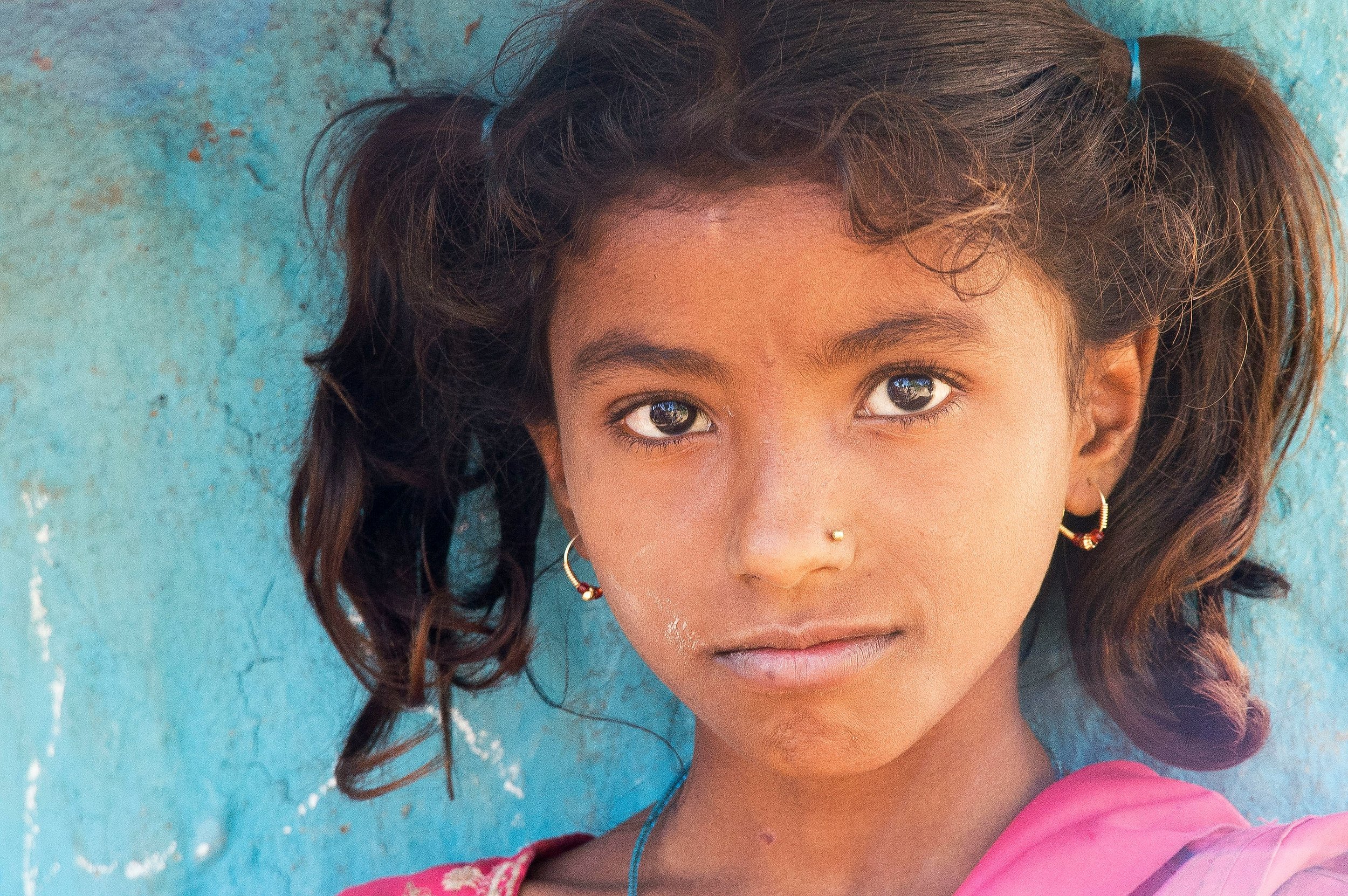
Wietse Jongsma
Imagine being a child and already preparing to get married. Imagine not being able to enjoy your youth because you were forced to grow up too fast. This is unfortunate reality of several children in India. Even though child marriage is illegal, as stipulated in the Prohibition of Child Marriage Act, 2006[4], which substituted the Child Marriage Restraint Act, 1929, the practice continues. While the law exists in theory, the lack of enforcement as well as the social and cultural components have contributed to its inefficiency.
This law prescribes that any boy under 21 and any girl younger than 18 are considered a child in the eyes of the legal system. UNICEF categorizes early marriages as a strong violation of international children rights, stating that children’s rights are human rights. While the nationwide struggle against child marriage persists, one state in India has recognized how pressing solving the issue is and decided to focus a great portion of its policies towards combating child marriages. Through the establishment of policies and their monitoring, Assam became the state in India with the greatest decline in child marriages, serving as an example to the entire country. Within India as a whole, the indexes of early unions have also decreased significantly in the past 10 years; nonetheless, it isn’t because the numbers have decline that the country should consider this matter as won battle.
The Problem Of Child Marriage In India
Within the Indian population, 23% of girls under the age of 18 are married, whereas boys account for 5%. These are appalling numbers considering that India is the most populated nation globally. A study conducted by Plan International showcases that most marriages occur in rural areas, where most girls get married between 14 and 16 years old. According to the report, the union is usually organized by the bride’s father or other men in the girl’s family, who typically desire alliances between the families. A testimony present in the study display the dreadful livelihood of the girls; the interviewed woman said that 18 is already considered an old age for a girl to get married, and elders believed that girls should be married prior to turning 14. Even though girls are the most affected regarding early marriages, boys are also forced into unions, although to a lesser proportion.
There are several components behind the causes of child marriages in India, most of which concern gender roles and social norms. The expectation for women, beginning in the early stages of their developments, is for them to be homemakers, mothers, and carers; it isn’t expected for them to become independent professionals and individuals, as is the hopes for boys. The patriarchy is deeply engrained in Indian society, which is fully visible when analyzing child marriages rates.
Sexuality is another contributing factor. Within villages and rural communities, forced marriages are way for parents to have control over their daughter’s virginity, since there are severe punishments for those who engage in sexual activities prior to marriage. According to Plan International’s study, parents, mostly fathers, would rather their daughters be married at a young age to impede them from “shaming” or “disrespecting” their families. The dominance that the father exerts over their daughters is a vivid example of how gender norms are a pillar of child marriages. Concerning young boys who get married, they are still encouraged to pursue education and build a career, a much different future that young girls face.
Assam’s Policies Against Child Marriages
In 2025, an NGO conducted research across five states in the country. The research found Assam’s decline to have reached 89% amongst girls and 91% among boys since 2022, being awarded as the state with the least child marriages across the nation. Since the appointment of Chief Minister Himanta Biswa Sarma, Assam has led in fighting early marriages, as the CM has made it the foundation of his campaign and administration. The state has a program of zero tolerance policy with child marriage. The government works alongside civil society organizations, strict legislations and contributions from the central government, establishing strict legislations against the practice. The state’s government imposes legal mechanisms to prevent these weddings; if the government becomes aware of a marriage, the offender will be faced with legal punishments. Offenders may face up to two years in incarceration; this is a non-bailable offence. Women offenders, however, will not face said punishment; it is unclear whether they can face any sort of punishment from the state. Assam’s greatest aim is to eradicate child marriages by 2026, and the state is working towards this goal. Currently, it is unsure whether this goal will be achieved; however, the state’s efforts are evident.
Within the range of programs promoted by the government, one of the most prominent ones is the Nijut Moina 2.0 scheme. By participating in the program, young girls on the education path will receive financial support from the state. This assists young women in pursuing a career and a future that does not lead them to marriage at such an early age. This scheme shows girls that marriage is not their only option: they can also build a future, defying established gender norms and traditional values. Moreover, Assam appointed the District Child Protection Officers (DCPOs) as Child Marriage Prohibition Officers (CMPOs), this was done to strengthen the children’s protection and keep them from marrying at an unnecessary age. The CMPOs are tasked with reporting the cases as well as beginning the legal processes against the offenders. These two policies prime examples of Assam’s arduous combat against child marriages. Through extensive monitoring and incentives, the state managed to become to have the lowest percentages in young marriages.
Why India Should Nationalise Assam’s Policies
India’s issues with child marriage, while declining, have yet to cease. Nevertheless, the government should consider implementing some policies created in Assam at a national level. Even though every state has its own culture and traditions, some norms exist throughout the nation, such as the gender imbalances and expectations. By enacting the Nijut Moina 2.0 across the whole of India, girls would have a great incentive to follow a professional and academic careers, as well as giving them much more agency in their own personal decisions. Nonetheless, some controversy surrounds Assam’s policies, as the imprisonment of offenders may lead to a great sum of incarcerations; if it occurs nationally, India might face an issue of overcrowding in prisons. However, this remains a theoretical problem at the moment, whereas child marriage has been a concrete issue for the country for several decades. In sum, the adoption of Assam’s policies could strengthen children’s protection.
