
China View: Xingjiang Shale Gas Is Emerging as a Defensive Zone in U.S.-China Competition
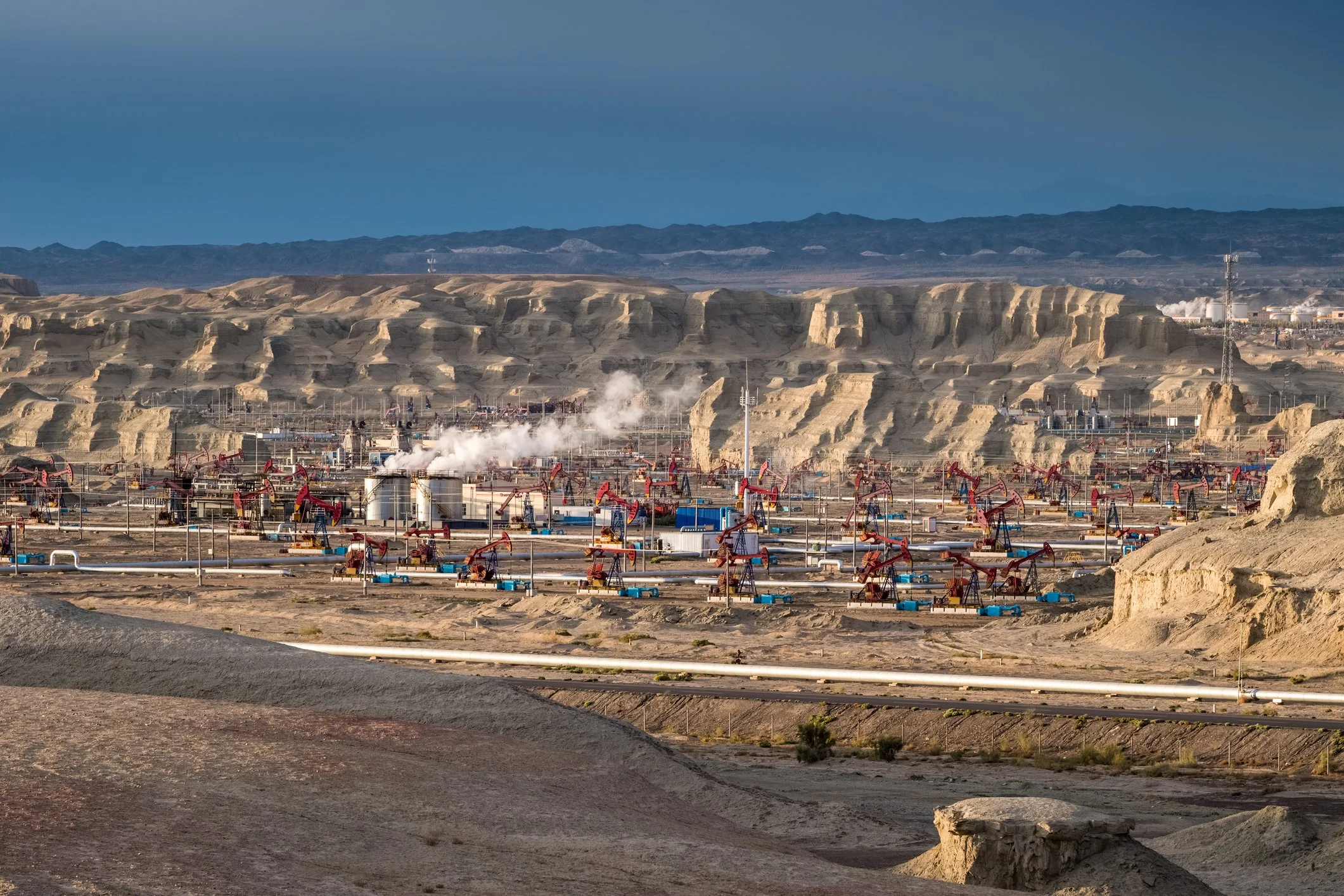
Chuyu, Dreamstime
Shale Gas Is Emerging as a Defensive Zone in the U.S.-China Competition
Will Shale Gas become the next competing energy in the next five years? Since 2025, the global oil trade has been increasingly in flux due to the conflict between the United States and Iran, making oil a new strategic asset as countries seek to secure their energy supplies amidst geopolitical tensions. In 2026, shale gas emerged as the new competing oil resource, with the United States and China serving as the dominant producers in the world; the United States produces 600 million barrels per day, while China produces 16,000 barrels per day. What steps is China taking to prepare for the upcoming era of energy competition?
China’s Domestic Push and the Importance of Shale Gas
Recently, shale gas has emerged as a revolutionary force in the global energy structure, reigniting enormous hopes for humanity in the face of energy shortages In 1980, George P. Mitchell, the president of Mitchell Energy & Development, discovered how to refine shale gas. Refining shale gas will increase the global energy supply, reshaping the gas supply globally.
According to the data as of May 2026, the United States produces 78.2 barrels per day with 622.5 shale oil FT, while China produces 32.3 barrels per day with 1115.2 FT. China is in the process of developing its shale oil extraction capabilities and significantly trails behind the United States in petroleum extraction rates. This situation shows a big difference in production rates and ongoing efforts to improve extraction technologies. On December 9, 2025, the Chinese government announced the annual production of the national-level continental shale gas demonstration area in Jimusar, Xinjiang, reached 1.7 million tonnes, indicating the full completion of the construction tasks for China's first national project.
Xinjiang has significant shale gas reserves, primarily located in the three main areas of Jimusar, Mahu, and Wucaiwan-Shigou, totaling three billion tonnes of shale gas resources. However, the onlyapproximately 1.112 billion tonnes are currently proven reserves, indicating the persistent gap between China's geological endowment and its actual extraction capacity, given current technological and economic constraints, indicates that China's existing technology for extracting shale oil is likely to be highly feasible in the future.
On December 19, 2025, the Chinese government announced that the Jimusar National Shale Oil Demonstration Area had completed its project twenty-two days ahead of the shale gas exploration schedule, indicating that this area demonstrates strong shale gas resource reserves in Xinjiang.
Is shale gas poised to replace conventional gas in the market?
Shale gas production impacts electricity availability. In 2018, the United States imposed tariffs on imports from China and continued to focus on these trade tariffs through 2025. Since the onset of the U.S.-China Trade War During Trump's second administration, China has responded to the U.S. tariffs by imposing its own tariffs on liquified natural gas (LNG) imports from the United States, discontinuing LNG imports entirely on February 6, 2025. The fact that crude oil production in the national terrestrial shale oil demonstration zone in Jimusar, Xinjiang, exceeded 1.7 million tons this year demonstrates how China is no longer reliant on natural gas imports from the United States, and is increasing its natural gas production autonomy. This shift reflects the ongoing process of U.S.-China economic de-risking; since 2024, China has shifted its natural gas imports from the United States to Russia, with imports from Russia increasing by 3.29%. Russia is now the third-largest exporter of natural gas to China, although a decline in Russian natural gas imports in 2025 suggests that China is working to reduce its reliance on both the U.S. and Russia.
China has successfully transitioned from being a natural gas importer to achieving potential natural gas autonomy.
China has LNG reserves of 7.6 million tonnes in storage capacity as of February 2026. Kpler estimates that the China LNG inventories are projected to decline to 7.4 million tonnes from March to April, indicating that China manages the inventories to decrease the risks from the Hormuz disruption. In response to the U.S.-China trade war and the conflict in the Middle East, China is actively implementing strategies to reduce its reliance on natural gas imports. The Xinjiang Oilfield serves as a model for efficient development of ultra-deep shale oil, showcasing innovative techniques and practices in the extraction process, which may contribute to China's overall strategy of enhancing energy independence and competitiveness in the global market, particularly as it seeks to position itself against U.S. energy dominance in the context of the ongoing Sino-American rivalry. The Chinese government is also working to make the natural gas supply system in China more reliable by switching from unconventional oil and gas to renewable energy.
Does this development imply that gas has become a new competitive commodity in the Sino-American rivalry?
The projected shale gas resource of 1.112 billion tonnes in Xinjiang presents an opportunity for China to decrease the international price of shale oil, boosting its competitiveness against U.S. shale oil. Moreover, China's progress in shale oil will mitigate the effects of halting U.S. liquefied natural gas imports, ensuring a stable domestic energy supply and decreasing dependence on foreign sources.
