
Far East: The Future of Language Testing in Kyrgyzstan’s Public Administration
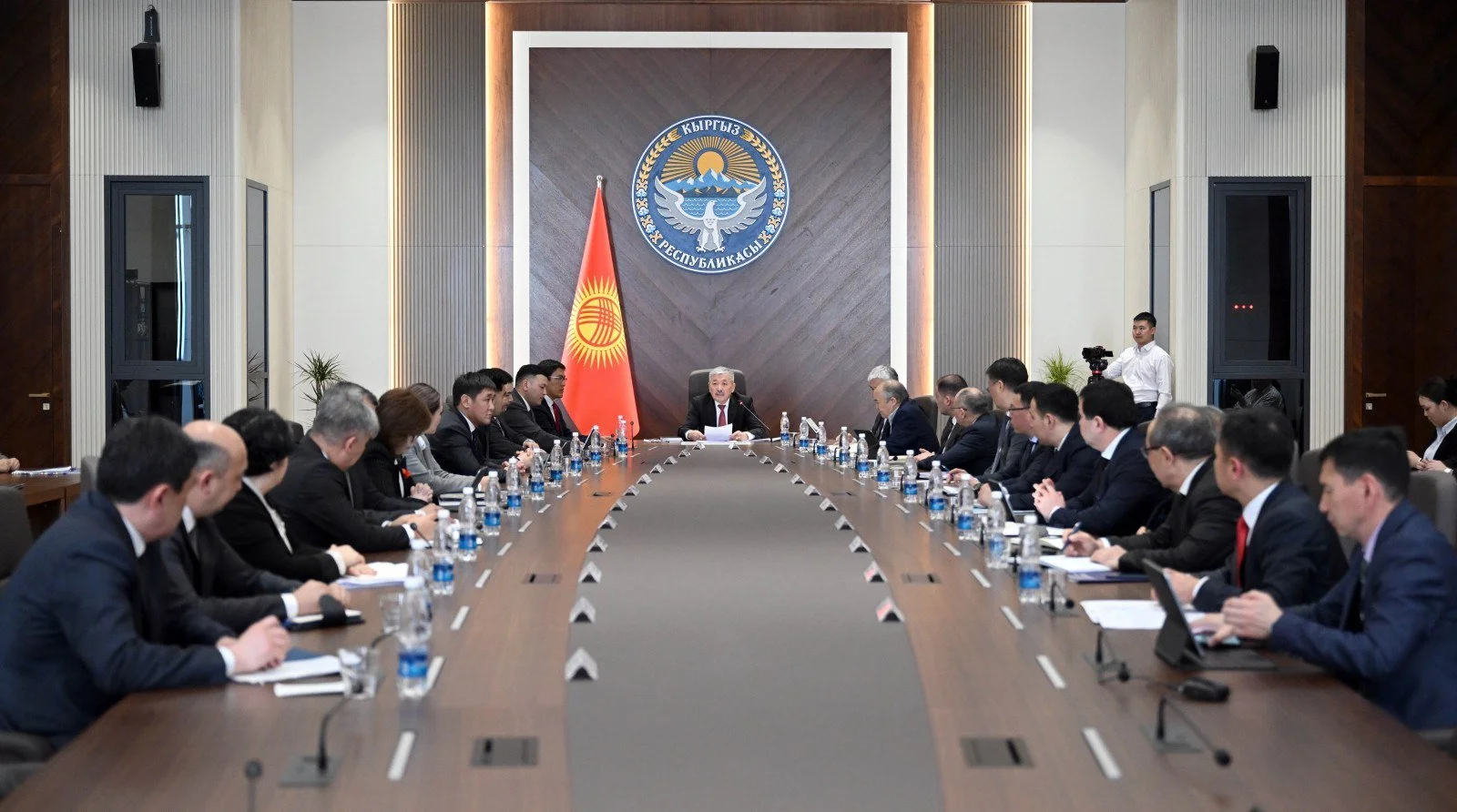
Kyrgyzstan is considering a major shift in how state language proficiency is certified, which would exempt graduates from additional testing requirements for public service entry. The constitutional law draft on “diploma over test as proof of the higher level of language proficiency” was completed in April 2026. The proposal has sparked widespread debate among policymakers, educators, and language professionals about how proficiency in the state language should be measured and verified. Behind the debate question – should a university diploma replace standardized language testing for public servants – lies the country’s longer history of language politics and national identity building.
History
On August 31, 1991, Kyrgyzstan gained independence following the collapse of the Soviet Union. Abandoning its status as the Kirghiz Soviet Socialist Republic, Kyrgyzstan began its journey of building its national identity and community. While having to continuously navigate the widespread use of Russian in administration, education, and public life, the first step the country took was to strengthen the status of the Kyrgyz language. In this realm, language policy has become closely tied to questions of governance, citizenship, and the role of the state.
As of 2026, Kyrgyzstan’s population is about 6.7 million people, and around 71.4% of the population speaks Kyrgyz, while the rest speak mostly Russian (9%) or Uzbek (14.4%). While most people use Kyrgyz, Russian remains widely used in government, business, and urban life, reflecting the country’s multilingual legacy from the Soviet period. Under the section “Human and Civil Rights and Freedoms” of Kyrgyzstan’s constitution, the Russian language remains the official language, while the constitutional convention approved Kyrgyz as the state language.
The distinction here reflects the delicacy of the country’s linguistic framework. Kyrgyz, as the state language, is intended to serve as a symbol of national identity and cultural heritage. Russian, meanwhile, functions as the official language used for practical communication across government institutions, business sectors, and among the country’s diverse ethnic communities. Therefore, the nation operates in a largely bilingual environment. Government documents, higher education, and professional communication are frequently produced in both languages. Additionally, this linguistic balance has shaped debates on how to determine proficiency in the state language for those entering public service.
Supporters And Critics
To begin with, the exam used to assess proficiency in Kyrgyz is administered through the national system, Kyrgyztest. The test includes sections of reading, writing, listening, and speaking. Typically taken over several hours, candidates are then given a specific proficiency level (such as B1 or B2) afterwards, which is often required for employment in public service. In the beginning, the national testing system Kyrgyztest was created to form unified benchmarks to assess people’s Kyrgyz language ability, particularly for employment in public institutions.
Supporters of the proposed policy argue that education and academic exams already demonstrate language proficiency, so the current additional testing is unnecessary. According to Gulnara Ibraimova, the head of the sector of the Ministry of Education and Science, strict language requirements could unfairly block qualified students or professionals from entering fields like law or medicine simply because they lack the language proficiency in Kyrgyz. Ibraimova also added that around 70% of applicants pass the Nationwide Testing in Kyrgyz, which serves as a potent support for abandoning the testing requirements.
Critics of the policy raise an opposing question: Shouldn’t proficiency in the state language be considered as a basic requirement for entering professional fields that serve the public? Specifically in the fields such as the legal system, healthcare, education, and public administration, professionals interact directly with citizens, many of whom primarily speak only Kyrgyz. Thus, from this perspective, requiring verified language proficiency isn’t just a bureaucratic obstacle but a necessity to ensure effective communication. Language serves as the foundation for mutual understanding and equal participation in public life. When professionals can communicate confidently in the state language, it helps reduce the chance of bias and misunderstandings. In this sense, maintaining language requirements can also be seen as a way to ensure more equitable access to public services for citizens and strengthen trust between institutions and the communities they serve.
Moreover, critics also argue that removing standardized certification could weaken the consistent evaluation of language proficiency across the country. The standardized test, therefore, ensures that civil servants meet comparable language requirements regardless of where they studied. From this perspective, the system is also adding a safeguard against uneven academic standards between universities. As some institutions rigorously evaluate language proficiency, others maintain the same level of assessment. An established, consistent standard for those entering government service emphasizes the idea that effective communication with the public is a central responsibility.
Implications
As of now, there is no confirmed timeline for a formal vote on exempting graduates from standardized language testing, while the proposal to exempt graduates from language testing as a subject of debate reflects a broader question about how the country balances efficiency, fairness, and national identity. Beyond the policy debate, the proposed change could have significant impacts on Kyrgyzstan’s job market and professional landscape.
If standardized language testing requirements are removed, entry into public service positions would become much more accessible than before. At the same time, competition for government jobs would be elevated. Furthermore, if university diplomas are accepted as sufficient proof of language proficiency, institutions that currently provide language training and certification would be greatly impacted.
For those working in or towards the language profession, such as translators, interpreters, brand or game localization professionals, the issue could become much more complex. For instance, the decline in demand for formal testing systems would lead to fewer language institutions or training programs, hence increasing the barriers for language professionals who want to acquire stronger multi-lingual communication skills, especially for those aiming towards fields of legal, healthcare, and diplomatic, such as community or legal interpreters.
In the long term, the perceived value of specialized language certification would be weakened, even in fields where precision, accuracy, and accountability are essential. Some argue that the policy shift could blur the distinction between individuals with verified, independently assessed proficiency and those whose abilities are assumed based on their educational background. In short, without widely recognized certification systems, the industry may face greater variability in skill levels. For the policy-makers and educators, whether this reform would affect authority and trust in professional language services and the perceived value of specialized linguistic expertise is an issue that needs to be addressed.