
Far East: The Rise and Limits of Virtual Museums in Kazakhstan
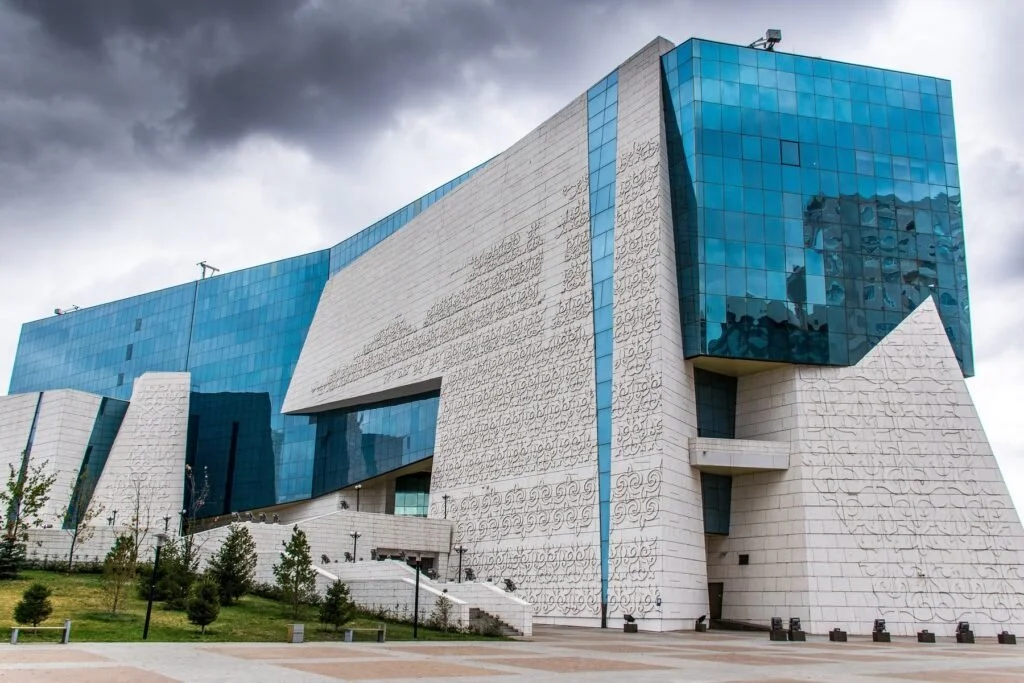
Kazakhstan has digitized more than 66,000 museum exhibits, as part of wider efforts to preserve the country’s cultural heritage. As its museum sector has been steadily enlarging, with a total of 286 museums being built, Kazakhstan now has more than 4.5 million exhibits and more than 6.5 million annual museum visitors. Meanwhile, the national digital platform E-museum continues to expand. The most recent data indicates that 284 museums across all 20 regions in the country are using the same system, as compared to three years ago when only 33 museums were connected to the system.
According to President Kassym-Jomart Tokayev, the successful digitized exhibits serve as a meaningful step to protecting Kazakhstan’s historical memory and cultural heritage, and to passing them on to future generations.
However, concerns and critiques arise at the same time. Some question whether virtual access to exhibits can replace physical engagement with cultural artifacts. A discussion on the concept and purpose of the “museum” has also emerged.
The E-museum
In 2026, the E-museum portal, which is a national digital platform unifying state museum collections across Kazakhstan, was presented in Astana. The remarkable part of this platform is its comprehensive catalogue: it includes more than 66,000 exhibits, 750 3D models, and 15 virtual tours of exhibition halls. This technological advancement is not only is a major breakthrough on modern means of cultural heritage preservation, but also serves as a strong educational tool. Specifically, the launch of the E-museum portal largely increases accessibility for individuals to explore extensive museum collections remotely, which become a valuable source especially for scholars, researchers, and educational institutions.
Additionally, a digitized exhibits has the potential to increase interests in the nation’s arts, history, international relations – the diverse facets of Kazakhstani culture. According to Aida Balayeva, the Deputy Prime Minister and Minister of Culture and Information of Kazakhstan, museum digitalization encourages broader academic circulation and ensures greater public access, which are key priorities of state cultural policy. Eventually, the E-museum can help cultivate the nation’s international recognition.
Limitations and Concerns
Some major concerns about digital preservation of cultural heritage are rooted in infrastructure gaps and long-term storage challenges. The digitalization process must balance the volume, variety, velocity, and veracity of data. During a 2020 UNESCO event dedicated to building an international policy agenda for digital preservation of documentary heritage, presenters defined cultural elements of stories and memories, such as presented today in various art forms, as “heritage”. The event emphasized the importance of recognizing and preserving these heritage, while bringing up a new concern: if preservation efforts are done incorrectly or incompletely, there are risks of distortion of cultural elements and place of origins.
The situation in Kazakhstan is a prime case study for this process, as the country aims to rapidly expand public access to its cultural collections. The E-museum platform has significantly increased the visibility of museum collections and enabled virtual access to thousands of artifacts. Yet, behind this technological advancement, the sustainability of such efforts means heavy dependence on continuous investment in digital infrastructure, data management systems, and technical expertise. The risks will continue to enlarge as collection increase. Museums are now facing the challenge of maintaining accurate metadata, updating file formats, and ensuring compatibility with evolving technologies.
Additionally, the digitization of cultural heritage in Kazakhstan raises questions about representation, the question being: Can virtual access replace physical engagement? There is no short answer to this question.
Digital copies can preserve visual information about an artifact, but there are more to the artifacts that digital copies can’t represent and convey, such as the material characteristics, cultural context, and historical significance. More importantly, the museums themselves usually aimed to convey the historical and cultural contexts of each artifact, encompassing the architecture, exhibition design, lighting, sounds, and atmosphere to help visitors connect with a particular place and period in history. What, then, is a museum in the digital age?
Museums are never just a building accommodating objects. The traditional decorative elements, reconstructed historical environments, thematic exhibitions, and carefully curated gallery sequences are what distinguish the institutions from digital platforms.
Since artifact digitalization was recently achieved, critics argue that those presenting works through photographs, scans, or 3D models will shape how audiences understand the object, and there are crucial limitations involved: incomplete documentation may lead to misunderstandings of cultural practices, historical narratives, or the communities from which these artifacts originate.
Reflection
As Kazakhstan continues to expand its digital museum initiatives, it’s crucial to recognize the importance of preserving the cultural narratives and historical engagement that museums are designed to communicate.
The E-museum serves as a valuable educational tool, particularly for researchers, students, and scholars who no longer need to travel overseas to get access for information on an artifact. Simultaneously, Kazakhstan’s rapid digitalization of cultural heritage is a powerful step internationally in broadening public engagement and cultural recognition. While digital platforms may never replace in person museum experience, they have the potential to complement traditional museums, allowing the country to protect its heritage while sharing its history and cultural identity with a global audience.