
India Insights: Mumbai Feeders: Why Are Dabbawalas Slowly Disappearing From The City.
sudhanshu sharma
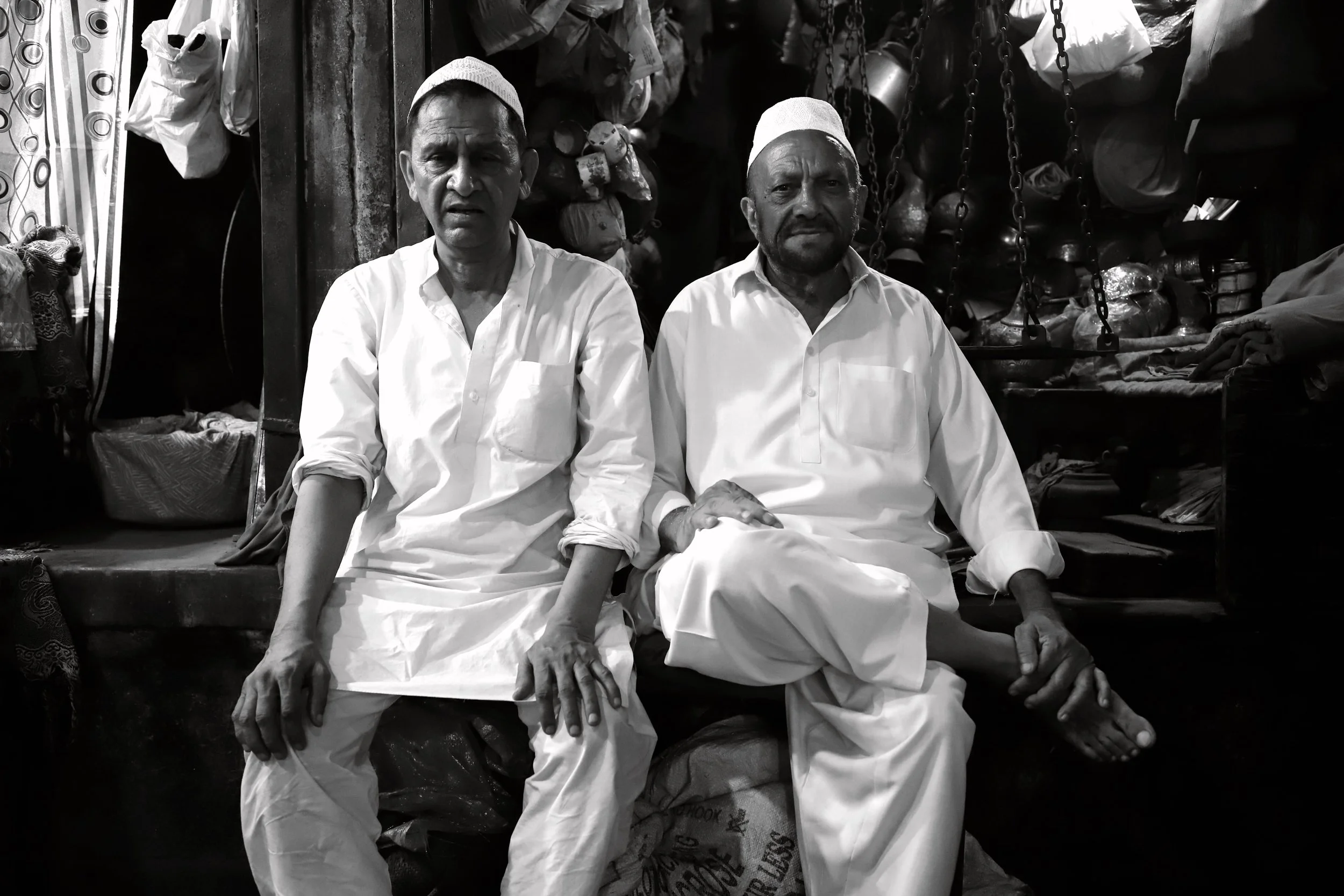
Dabbawalas: the men in the white hats and outfits that deliver dabbas (lunchboxes) all over Mumbai. For nearly 130 years, these men have fed millions and established themselves as a cornerstone of Mumbaikar society. The men pick up the dabbas at the homes of the cookers, cycle to railway stations with fully stacked lunchboxes, filled with homecooked meals, reach the city and sell numerous meals to workers all over town. Even though the trade allows for female dabbawalas, their presence is rare, establishing the profession as almost entirely male. This system became a reliable food source of food in the middle of a workday. The dabbas are usually filled with rice, lentils, vegetable curries, rotis and, sometimes, a type of meat, providing good nutritious value. A few components have contributed to the decrease of dabbawalas’ presence, one being the rise in remote work since the COVID-19 pandemic. The enormous presence of food delivery apps, which provides the same service as the century-long workers do, has also exacerbated the problem.
At its highest point, the dabbawalas’ workforce accounted for over 5000 workers, who fed close to 200,000 office workers daily. However, current numbers display a shocking reduction: there are only 1500 dabbwalas left, a 70% decrease. The rich history of dabbawalas is facing the threat of extinction, as contemporary life develops cheaper and quicker replacements for their services. Furthermore, as demand for lunchbox deliveries has reduced, several dabbawalas have been forced out of their profession into a more financially sustainable ones, such as rickshaw drivers. The trade that once was vital to the functioning of the worker community in Mumbai and a symbol of the city’s pride, is now on its way to becoming obsolete.
The History Of Dabbawalas
Dabbawalas are a unique and intrinsic element of Mumbai’s culture, viewed by many as crucial to the city’s character. What began as simple lunch delivery service in the 1890s in the old Bombay, now Mumbai, developed into an intricate network of deliveries which operate without any contemporary technology. The founder, Mahadeo Bachche, developed a system that gathered close to 100 workers, and organized them to collect and deliver dabbas across the city. The dabbawalas structure was thus established and ready to begin operations.
Since the system’s inception, the lunchbox deliverymen transported the meals by riding bicycles and supplying food to workers. Throughout the years, the deliverymen established a complicated but exceptionally effective distribution and pickup method, that began as a color-coded system and then evolved into unusual alphanumeric code. The way it works is simple: a dabbawalla collects the home-cooked meals in his local area, he then sorts the boxes that are going to the same areas; after arriving at the final station, another dabbawalla picks up the sorted out crate and deliver to the specific office, and, after the workday, the men collect the lunchboxes and return them to their homes. It is said that the system in place is mostly due to the reading level of the dabbawalas, which is usually around 8th grade. Hence, through the early color-coding and the current alphanumerical code facilitate their arduous work. Dabbawalas established themselves as a foundation in office and overall workers life, and this trade provided steady and reliable income for hundreds of years, until the severe distress it is currently under.
The Slow Disappearance Of The Dabbawalas In Mumbai
In spite of the abundant benefits that dabbawalas bring to Mumbaikar society, such as the fact that they provide healthy and balanced meals, many contemporary factors have contributed to the gradual vanishing of their presence. As previously stated, the COVID-19 pandemic has shifted the norms of the workplace, as the global population was forced to rethink and reset numerous social conventions. The isolation period was a challenge in itself, as dabbawalas did not have a steady income while the world was navigating through those uncertain times. However, the vestiges from the pandemic have lingered long enough to impact the dabbalawas’ livelihoods. Although offices resumed operations, many workers and companies became adept at working remotely, significantly reducing the need for the dabbas. The home-office’s implementation has rendered the lunchbox deliverymen somewhat antiquated; furthermore, as many did not have savings to support themsleves during this difficult period, several men were forced out of the trade. The Secretary of the Mumbai Tiffin Box Suppliers Association, Kiran Gavande, made the same argument, explaining that several office workers only work in person two to three days during the week, significantly decreasing dabbawalla demand.
In line with COVID-19 inheritances, the overwhelming rise of food delivery apps has also assisted in the trade’s slow disappearance. The apps, such as Swiggy and Zomato, offer a cheaper and faster alternative to the dabbas. Throughout many decades, the dabbas were an exclusive product with little to no competition, which changed as delivery apps started providing a very similar service.
Balu Bhagu Shinde was once a dabbawalla, who met the same as many of his colleagues: Shinde had to change professions. The lunchbox deliverymen’s monthly income was usually 20,000 rupees and he served up to 20 customers each day. With the arrival of the pandemic the number of customers dramatically decreased. There were only two left. After some time waiting for the quarantine to become less severe and more flexible, Shinde realized there was no return to his old habits, and became a tuktuk driver earning 5000 rupees less than his old income.
“There are no customers, no money”, Shinde said in an interview. “What should we do?”. Several dabbawalas who desired to continue in the trade despite the new challenges even found second jobs, aiming to fund their lives and households. Many deliverymen work until early afternoon, when they proceed home to get ready to their second daily shift. The exhausting work hours are a last resort for those dabbawalas who, either have no other option or want to remain in the industry. Gavande also explains that the delivery system does not cover all sections of Mumbai as it once did, given the low demand for their services.
Overall, the disappearance of dabbawalas from the streets of Mumbai can be explained by one simple sentence: low demand because of COVID-19 legacies. The unfortunate situation has led the men to look at other opportunities in different fields as it was no longer financially sustainable for them to remain in the one that sustained them for so long.
