
China View: China's Vocational Students Paying the Price for Cheap Labor?
On December 19, 2025, a carbon monoxide poisoning incident occurred at the Afanti Restaurant dormitory in Xijiang, China, resulting in the deaths of two high school students and one adult, while four other people were injured. The incident was a tragic accident, and this tragedy reveals a deeper structural problem within China vocational education. The Kashgar Prefecture Administrative Office in Xinjiang published the "Major Carbon Monoxide Poisoning and Asphyxiation Incident at the Employee Dormitory of the Afanti Restaurant Report” on June 8, 2026. According to the report of this tragedy, the restaurant employer didn’t carry out the responsibilities to cultivate a strong safety awareness among all students, and the vocational high school authorities failed to inspect the work environment at partner internship units.
An increasing number of Chinese students, comprising a significant percentage, are opting for vocational high schools. Similar to other nations, China has an education system catering to students with a preference for technical skills over academics. According to Chinese government data, about 70% of Chinese students who finish junior high school go on to academic high school, while about 30% go to vocational high schools. In higher education, approximately 54% of students are in regular academic programs, and 46% of students are in vocational programs. In recent years, China has gradually shifted from a structure where general education far outnumbers vocational high schools to a closing gap between academic pathways and vocational education pathways, with the number of new students in vocational education even slightly surpassing that of regular undergraduate programs.
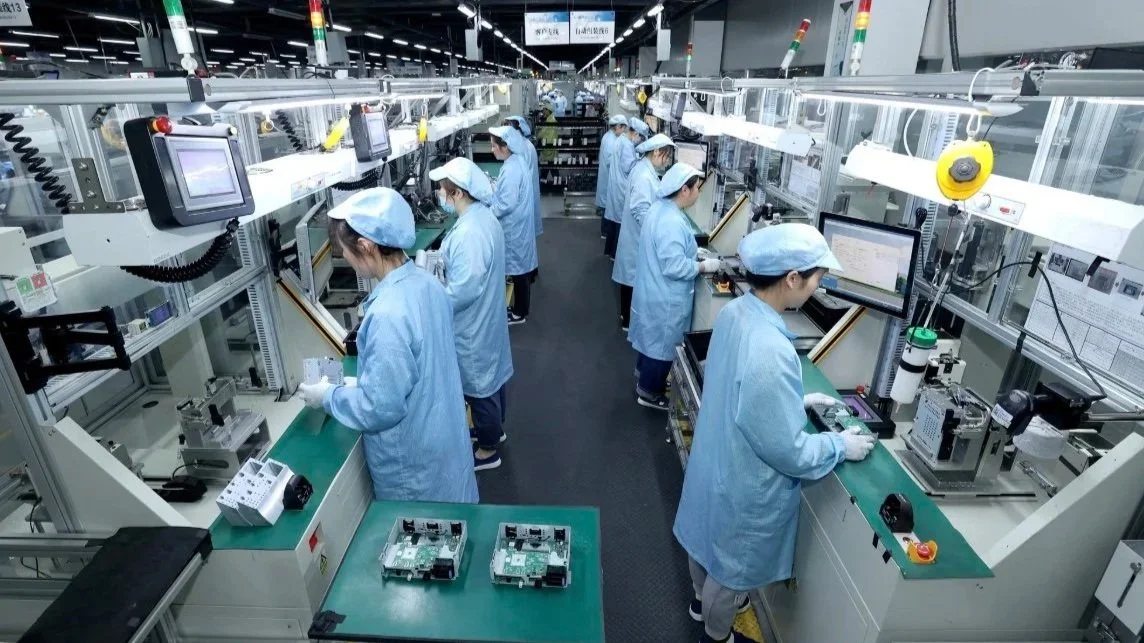
On May 21, the Chinese Human Rights Defender (CHRD) published a report revealing overtime working hours and a lack of workplace safety that Chinese students experienced under their schools and employers. CHRD studied the mandatory internship that students must complete in their education, using government administrative penalty records, online databases, court documents, and Chinese media reports, to find that across 11 provinces from 2019 to 2025, some vocational school students work 10 to 12 hours per week, including night shifts and labor unrelated to their field of study. Some internship positions expose students to severe safety risks, which have resulted in the deaths of three students during their internships. Two more students have died by suicide; before the tragedies occurred, these students had reported the pressure and difficulties they faced to their teachers and employers.
Returning to the tragedy in Xijiang, the accident investigation highlighted how the Afanti Restaurant didn’t effectively fulfill its primary responsibility for production safety, with chaotic and disordered management. The restaurant failed to implement a dormitory management system for employees, and the safety training to prevent carbon monoxide poisoning was superficial and lacked effectiveness. In this case, the Afanti Restaurant in Xijiang has a total of 18 employees, including 11 interns. The interns make up 61% of the employees.
The CHRD report further pointed out that in China, illegal child labor practices, including exploiting children as young as 13, still exist in the manufacturing, entertainment, and service industries. These records show that child labor violations are common.
The accident investigation report recommends disciplinary action against a total of six leaders and staff members at Xinjiang Province Vocational and Technical School. It further suggests that three department leaders be sent to the Shule County Commission for Discipline Inspection and Supervision to relearn the rules, while three faculty members should be handled internally by the Shule County Vocational and Technical School according to the relevant regulations. However, this incident has already resulted in three deaths, and the school has not assumed any criminal or civil liability.
The children and students' labor issues have been debated in China for a long time; this incident of carbon monoxide poisoning reveals the grey zone of the Vocational School Student Internships Management Regulations issued by the Ministry of Education of the People's Republic of China.
