
Far East: Tajikistan's Renewable Energy Shift Begins in the Mountains
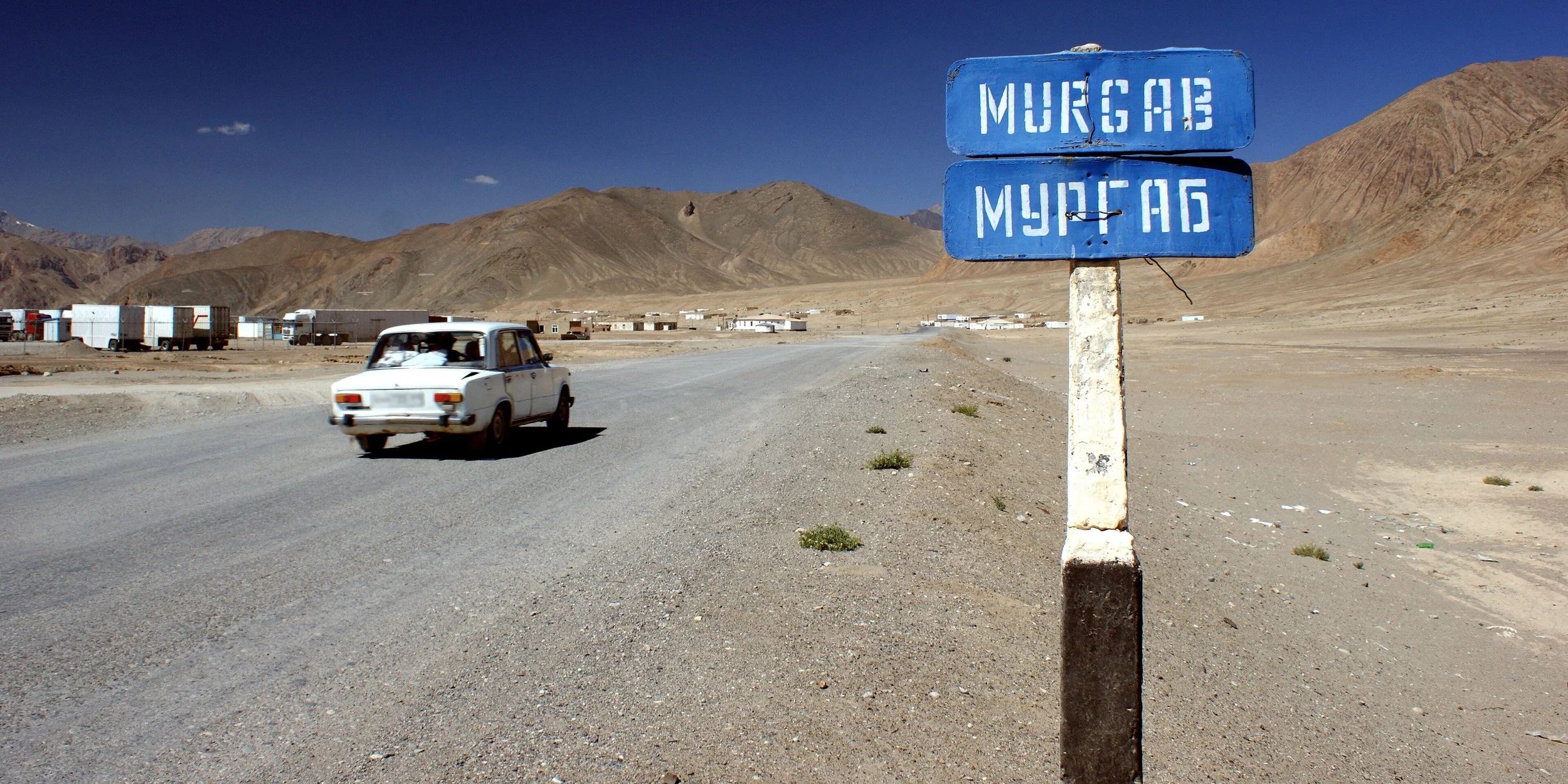
The first wind power plant with a capacity of 200 kW is planned to be built in the Murgab district of Gorno-Badakhshan (GBAO), with the support of the government of Tajikistan and the World Bank, according to the Ministry of Energy and Water Resources of Tajikistan. Most recent update shows that 22 solar power plants have recently completed construction, mountainous villages of the Murgab district, with a total capacity of 13 MW.
The wind power plant project is being implemented within the framework of the Tajikistan Rural Electrification project (TREP), which is an initiative proposed by the World Bank in 2019. In rural Tajikistan, thousands of people remained without electricity or dependent on unreliable power supplies. Therefore, TREP’s main goal is to bring reliable electricity to some of the country’s most remote and underserved communities, particularly in the GBAO and the southern Khatlon region along the Afghan border. According to Jan-Peter Olters, the Manager of World Bank in Tajikistan, TREP ultimately aims to grant people with opportunities to engage in economic activities, strengthen human capital, and reduce fragility risks along the border with Afghanistan.
Specifically, TREP built renewable-energy microgrids. In rural and isolated areas, where transmission line extension is expensive, the project, by installing solar photovoltaic systems, finances construction of wind turbines and hydropower plants with battery energy storage systems (BESS), which enabled connection of a total of 61 settlements (11,666 people) to electricity at the first phase.
In Tajikistan’s rural areas, which feature high altitudes and mountains, there is ample sunlight, which enabled the successful implementation of solar panels. Additionally, when the wind slows or the sun sets, BESS releases stored electricity, largely making this hybrid approach more reliable and consistent.
Behind Tajikistan's Energy Strategy
Announced in June, 2026, the construction of the first wind power plant under the “Rural Electrification” program is estimated to continue into 2027, eventually covering remote settlements in the districts of Murgab, Darvoz, Vanj, Rushan, Shugnan, Roshtkala, and Ishkashim in GBAO, as well as Mir Said Ali Hamadoni, Farkhor, and Shamsiddin Shohin in the Khatlon region.
Around 98% of Tajikistan’s electricity is generated by hydropower plants, and the country is among the world leaders in the production of “green” energy. This raises the question as to why Tajikistan is investing in wind and solar energy while already producing 98% of its electricity from renewable hydropower?
Challenges brought by climate change in recent years prove that heavy reliance on hydropower plants isn’t promising for the country. Tajikistan is the headwater of the Amu Darya River, and Upper Amu Darya not only covers most part of Tajikistan but also is one of the most important but vulnerable water towers in the world. As cryospheric components such as glaciers are melting and retreating, hydropower generation in Tajikistan faces substantial risks. Research found that the shrinking glaciers could affect both electricity production and water security for millions of people downstream across Central Asia.
Furthermore, Tajikistan has been experiencing severe electricity shortages since late 2025, when droughts significantly reduced water supply at key hydroelectric reservoirs. For instance, the energy ministry reported that the reservoir at Tajikistan's Nurek Hydroelectric Power Station, which generates 70% of its electricity, is 3.5 meters below its level for the same period in 2024. As a remedy, Tajikistan's energy ministry started to import electricity from Uzbekistan, Turkmenistan and Kazakhstan.
Thus, due to various reasons led by climate changes and population growth, Tajikistan is not abandoning hydropower but actively seeking new approaches to fortify its energy system. Introducing wind and solar energy is a powerful step of energy diversification, which enhances the stability and reliability of the energy foundation of the nation. The 200-kW capacity wind power plant Murghab seems tiny compared with giant hydropower dams, but it represents a strategic shift: Tajikistan is using wind and solar to complement hydropower, particularly in remote regions where climate-related disruptions can have tremendous and unexpectable impacts.
Moving Towards a More Sustainable Future
The launch of Tajikistan's first wind power plant highlights a distinctive approach to renewable energy development in Central Asia. For example, its neighboring countries Kazakhstan and Uzbekistan have extensively focused on large-scale utility wind and solar projects. As of 2025, Kazakhstan had approximately 1.5 GW of installed wind power capacity and more than 1.9 GW of solar capacity, whereas Uzbekistan aims to install 20 GW of renewable-energy capacity by 2030. On the other hand, Tajikistan's strategy specifically targets rural electrification in isolated mountain communities. The efforts demonstrate how decentralized energy systems can improve electricity access, while strengthening resilience to climate-related challenges, particularly in remote mountainous areas. By combining wind, solar, hydropower, and battery storage, Tajikistan’s diversified energy model can serve as a valuable blueprint for other high-altitude regions facing similar environmental and infrastructure challenges.