
Mideast: Leaked UN Framework Offers Outlet For Stalled Peace Plans In Cyprus
NurPhoto
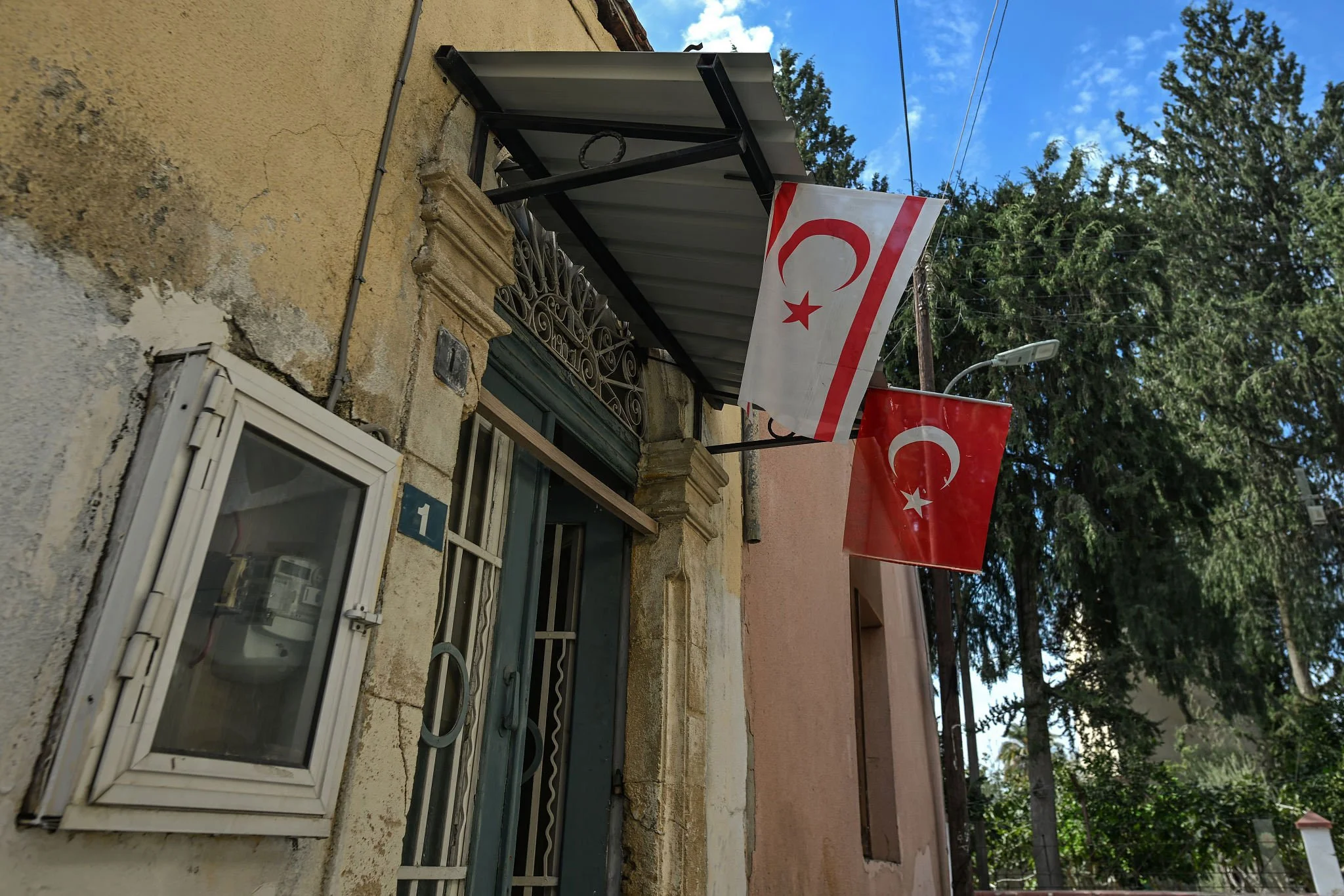
At the end of June, the 52-year-old stalemate between Turkish and Greek Cypriots sprang back into headlines with the leaking of a drafted peace plan. The plan, created by UN Secretary General's personal envoy for Cyprus, María Ángela Holguín, and her team, was drafted independently from the governments of the Turkish Republic of Northern Cyprus (TRNC) and the southern Greek-headed Republic of Cyprus. Proposing a (con)federation of both states, the plan has received a range of reactions from both sides, casting doubt on its ability to bring about concrete change to a problem that has sat stagnant for over half a century. And with UN Secretary-General Gutierrez scheduled to visit the island from the 27th to 29th of July, it will soon become clear whether this plan will be able to get off the ground at all.
The island of Cyprus has been split in two since 1974, when a Greek-led coup that aimed, and failed, to unite the island with Greece collapsed against a Turkish invasion. This invasion would ultimately bring about the division of the land under a ceasefire, putting Turkish Cypriots in the north and Greek Cypriots in the south, with a UN “Greenline” buffer zone in between and two sovereign British military bases on the eastern tip of the island. In 1983, the north declared itself an independent breakaway state, the TRNC, but only won the recognition of Turkey, and since then, Cyprus has existed in a sort of partitioning purgatory, never quite having the situation significantly resolve or devolve despite various efforts spanning decades.
A permanent solution that would satisfy both the Turkish and Greek Cypriots is a tall order, and one that has necessitated the careful wording and balancing of power that UN official María Ángela Holguín and her team have utilized in their concept. With “constructive ambiguity,” Holguín has conceived of a solution that contains elements of both a federation and confederation, meant to please both the Greek and Turkish Cypriots’ respective demands.
Under this structure, the TRNC would be internationally recognized and its international isolation ended, enabling direct flights, trade, and international contact. With both states formally established, shared responsibilities of the two governments would then be drastically reduced from where they stand today, with only a small central government to handle specific shared issues that have been delegated to it. Military intervention would also be overhauled, stripping the UK, Greece, and Turkey of their rights to intervene militarily and replacing them with a NATO-like system of mutual defense.
These are all major departures from solutions raised in the past, which focused primarily on establishing a completely new nation from the ground up with strong federal powers and provided no timeline for Turkish forces to leave or the TRNC’s international isolation to end. Instead, this draft seeks to bring about genuine political equality between Turks and Greeks on the island, a concern that has dominated Cypriot politics for years. But there are concerns that such drastic changes and large steps forward for the Turkish side could potentially put negotiations right back where they started: stalled and without an end in sight.
As for the current heads of each state, reactions have been mixed. When visiting a memorial to those who lost their lives during the 1974 invasion earlier this week on Monday, President of the Republic of Cyprus Nikos Christodoulides stressed that he would reject any multiple-sovereignty solution, and, with that, seemed to cast doubt on the potential success of the UN’s leaked draft. All the same, he stressed that he and the Republic view Turkish Cypriots as equal citizens under the law, and that he wishes them to be united under a single shared homeland and welcomed the renewed momentum in peacemaking from the UN.
The Turkish side to the north has appeared more amenable to such a solution. Posting on Facebook, TNRC President stated, “Our people’s will for a solution is clear. We have stated our support for the efforts of the UN Secretary-General and we continue to support them.”
Neither of these positions are universally held throughout their respective parts of the island. Instead, citizens themselves have, similarly to their leaders, appeared deeply divided on the concept, with skepticism surrounding the concessions that will need to be made on either side. Particularly, the surrendering of territory around the UN Greenline zone has been seen by some to be a nonstarter, while others fear the division that will be reinforced by a two-state or confederation solution.
This concept, then, offers a solution that is as contentious as it is cutting-edge; it shirks all previous constraints that past solution structures have adhered to, and, in doing that, could potentially succeed in solving this issue — but not without upsetting the established international order.
The UK, and consequently all NATO nations, have a high stake in the outcome of the Cyprus issue because of the presence of their 2 military bases on the eastern side of the island. After an Iranian drone strike on one of the bases in March and its proximity to ongoing conflicts across the Mediterranean Sea, the security of the island remains a top priority, and disturbing the existing governmental and military structures could be seen as ripening the potential for instability. With the UN Secretary-General’s upcoming visit, however, we will not have to wait long to see what the outcome of these ideas and further discussions between the Turkish and Greek sides will bring.
