
The Commons: Moving Houses? The Costs of Upkeep
Martine Mussies
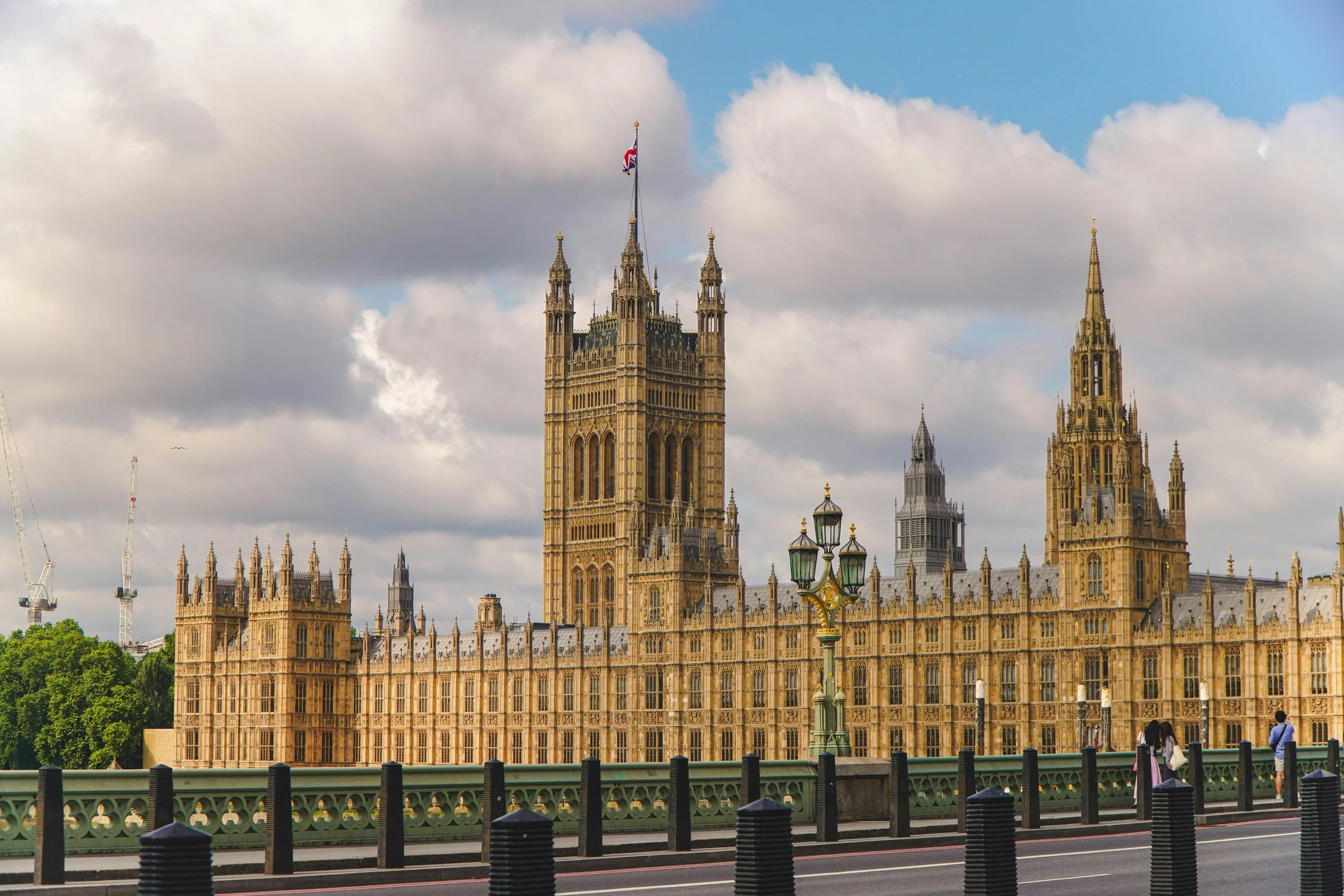
The Houses of Parliament in London serve not only as the UK's chief legislative assembly and center of government, but also as a world renowned tourist destination.
However, the need to preserve and uphold such an historic site, whilst simultaneously maintaining its place as the country’s primary area for discussion amongst politicians, has itself been a source of intense debate in recent years.
The Houses of Parliament have not in fact undergone any major renovations since 1950, following repairs that took place in the aftermath of the Second World War. In the years since there have been increasing calls for major restoration and renovation work to be carried out on the building, with current maintenance costs currently being estimated at as much as £1.5 million a week. There have been ongoing concerns about the dangers of fire or flooding, as well as the conditions of existing stonemasonry throughout the historic site, and the presence of asbestos in the building.
Repairs to the roof ended up taking a whole decade, finally being completed in 2022. That same year, it was agreed a full Restoration and Renewal program would be undertaken, expected to take several decades, with a cost in the billions. This month saw a further update to these plans, with several fully costed proposals being put forward.
One plan would see MPs and peers moving out entirely from Westminster, from 2032 up until the late 2050s, with refurbishments expected at around £15.6 billion. Alternatively, only the House of Lords will be moved out for the time being, but this would extend the timeframe for this to as much as 61 years, at a cost of around £39 billion.
These plans would come following initial works of around £3 billion that are expected to take place over the next seven years. MPs and peers are set to vote on which plan is to be moved ahead after this period.
Such a high price tag has not of course been without controversy, with numerous MPs calling for a review of the options available.
Questions have been raised about the accountability of such decision making, with calls for greater scrutiny and openness around how the board has come to the proposals in question.
Further delays on such a decision are likely only to push the cost up even further however, the Client Board have warned: “Most of the building dates from the Victorian era and some parts are much older,” they stated. “Over the decades, its fabric and its services have deteriorated and require substantial repair or replacement. We are beyond the point where putting off these major works is sustainable.”
This was echoed by Alexandra Meakin of the University of Leeds, an expert on restoration who has stated that, “the continued failure to give the current parliament a full debate and vote means taxpayers are continuing to spend millions of pounds each year on repairs and maintenance, while the risk of the building being destroyed in a catastrophic flood or fire remains unaddressed.”
Alongside these questions around costs and timescales, these proposals have also raised the issue of how Parliamentary business will carry on throughout, and where MPs and peers may be expected to be working from if they do in fact have to leave the Houses of Parliament entirely.
Under both of the above plans, the House of Lords is expected to relocate to the nearby Queen Elizabeth II Centre, on the other side of Parliament Square in Central London.
Similarly, it's been proposed that MPs could move to the medieval portion of Westminster Hall, to the Northern Estate area in Whitehall, to a temporary chamber in nearby buildings such as Richmond House, or even to a ‘floating Parliament’ on the river Thames itself.
Others however have noted that this discussion brings with it an opportunity to have a much more substantial relocation of Parliament, one that would in fact offer meaningful change for the nature of the political debate in this country and providing opportunities across Britain. If Parliament is to be relocated anyway, then why, it has been asked, does this have to be somewhere in Westminster or Central London?
Proposals have already been made in the past that MPs be relocated to other parts of the country entirely, either temporarily or on a more permanent basis, as a means not only of finding a new location for Parliamentary business during renovations, but also in reexamining how Parliament sits in relation to the rest of the country.
Proponents of this idea had previously suggested that having Parliament in other cities across the country could have a powerful effect in terms of transferring wealth and opportunities from the capital to other parts of the UK.
Such calls have come off the back of similar proposals that areas such as the North of England should be given their own assemblies in much the same way as Scotland and Wales, it being argued that this would have a significant impact in devolving power away from Westminster, would stimulate local economies, and mitigate the primacy that London currently enjoys over the rest of Britain.
In 2020, Boris Johnson had, as Prime Minister, suggested that there should be serious consideration for Parliamentary business to be moved to an area outside of London, should relocation prove necessary.
There had been some discussion under Johnson's Conservative government that a new government hub be set up in the small, historic city of York, in Northern England. This had been welcomed by local and regional leaders, with York council leader Keith Aspden stating, "there is real potential for this idea to bring major benefits, not only to York, but to our wider region, including higher paid and skilled jobs.”
Other Ministers in the Johnson government, such as Michael Gove, had also welcomed similar proposals for the House of Lords as part of their aims of ‘levelling up’ the north and other parts of the country, with Gove proposing a number of areas, such as Stoke-on-Trent, Sunderland and Burnley, as other possible locations.
Other major cities have also been proposed at times by politicians from a range of parties, including England's two main contenders for ‘second city’, Manchester, and Birmingham. George Galloway, leader of the Workers Party of Great Britain, had also previously suggested Leeds, whilst similar calls have been made for other well known cities such as Liverpool.
Ultimately however, these proposals have largely been rejected by MPs and peers, with some raising concerns about the practicalities of such a move, as well as on the ‘constitutional implications’ to a move outside London.
This was particularly the case with proposals for a move of the Lords, but not the Commons. The then Lord Speaker of the House of Lords and a former Labour peer, Lord McFall, emphasized the need to keep the two Houses of Parliament as one. He stated that, "whilst I agree that politics can be too London-centric, I don't believe moving locations in and of itself would address these concerns.”
As it stands therefore, any plans for relocating Parliament are likely to remain Westminster-centric, and, with such a high price tag, this may only deepen the sense of a disconnect between Parliament and the rest of the country.
"We don't have to have a full decant,” states Conservative MP Edward Leigh. “I don't think the MPs and peers, if they leave the building for 15 years, they'll ever come back. As far as the public are concerned, it's a complete and utter waste of money.”
