
EU Currents: Croatia’s Green Energy Leap
Red Zeppelin
Pushing Forward
For the last six years, Croatia has been positioning itself to become an energy-independent and sustainable nation within the next four years. In 2025, the government updated its energy strategy to increase the national share of renewable energy to 42.5% by 2030, with an additional goal to increase that share to 65.6% by 2050.
Croatia’s economic engine is especially vulnerable to climate change. In the wake of their independence in 1991, tourism quickly became the pacesetter for Croatia’s economic growth. Vibrant seaside towns like Split, Dubrovnik, and Hvar, along with the historic capital of Zagreb, attract millions of visitors from around the world, generating an external revenue stream totaling 15 billion euros and representing 17.5% of the nation’s GDP.
Croatia has invested a significant amount in wind, solar, hydro, and geothermal energy sources to meet its environmental goals. Though most of their strategies mirror those pursued by fellow European Union nations, Croatia finds itself in what could be considered a more urgent position than many of its EU counterparts to achieve and maintain energy independence.
Breaking The Cycle
Croatia has historically been dependent on outside sources for its energy. For instance, in 2021, the nation imported over half of the energy that it consumed. Of that total, petroleum products made up 32.8 percent of the total imports, followed by crude oil (27 percent), natural gas (24.3 percent), electricity (8.3 percent), coal (6.1 percent), and wood/biomass (1.5 percent).
Domestic storage and generation capabilities were well under the mark for alternative forms of energy such as wind and solar, and the nation needed to annually produce 1,000 megawatts of wind energy or 2,000 megawatts of solar energy to keep up with demand.
Energy shortfalls were further exacerbated by the war in Ukraine, reflecting an issue that affected the entire EU as the price of energy soared during much of 2022. In Croatia alone, the average price of energy was 273.72 euros/megawatt hour (MWh), an increase on the previous year’s average by 239%.
Given the challenges presented by rising energy costs, Croatia began its initial meaningful strides towards creating a renewable, independent energy grid back in 2023. In fact, for four separate days in December of 2023, the nation’s electrical needs were fulfilled completely by renewable energy. This was achieved thanks to an increase in electrical capacity throughout 2023, totalling 462.5 megawatts, with an average of 19.9 megawatts of new energy capacity being reached each month.
Success Through Setbacks
2023 was a breakout year for Croatia’s wind and solar capabilities, with 462.5 megawatts of solar energy capacity applied to the grid by the end of the year, along with 1,160 megawatts of wind energy capacity.
Despite such progress, difficulties persisted, with cost overruns and high connection fees threatening the implementation of many large wind and solar projects. The fees required to connect new infrastructure to the grid increased costs by more than 40 percent, leading many in the industry to believe the projects were not viable.
Because of the financial issues surrounding these projects, the nation appealed to the EU Parliament for direct investment. The Croatian Renewable Energy Association (OIEH), the entity that oversees the nation’s renewable energy industry, identified how the cost overruns and high connection fees threatened Croatia’s energy independence.
OIEH spokesperson Marija Hanzec stated that it was an issue of both time and money, stating that “The regulator and the Transmission system operator have yet to agree on clear rules for grid connection fees for these projects. Another obstacle is the lengthy approval processes. Planning and implementing a large solar project should take no more than 18 months.”
Politically, the projects ran into obstacles as different members of the governing coalition had divergent visions of how Croatia would achieve energy independence. The Croatian Democratic Union, the largest party in the government, favored the expansion of renewable energy. This stance has been taken by the party due to recent weather events that have highlighted the nation’s vulnerability to climate change. However, their coalition partner, Homeland Movement, insisted on the continuation of the importation of electricity.
Funding the Future
Through the National Energy and Climate Plan, Croatia aimed to break the deadlock on many of the issues plaguing its renewable energy goals.
One of the central pieces of legislation that stemmed from the National Energy and Climate Plan is the Social Climate Plan, funded with a direct investment of 1.26 billion euros from the EU’s Social Climate Fund.
The goal behind tapping into this investment is to ensure that Croatians are not left behind during the regional energy transition and to ensure that all necessary infrastructure improvements can remain funded.
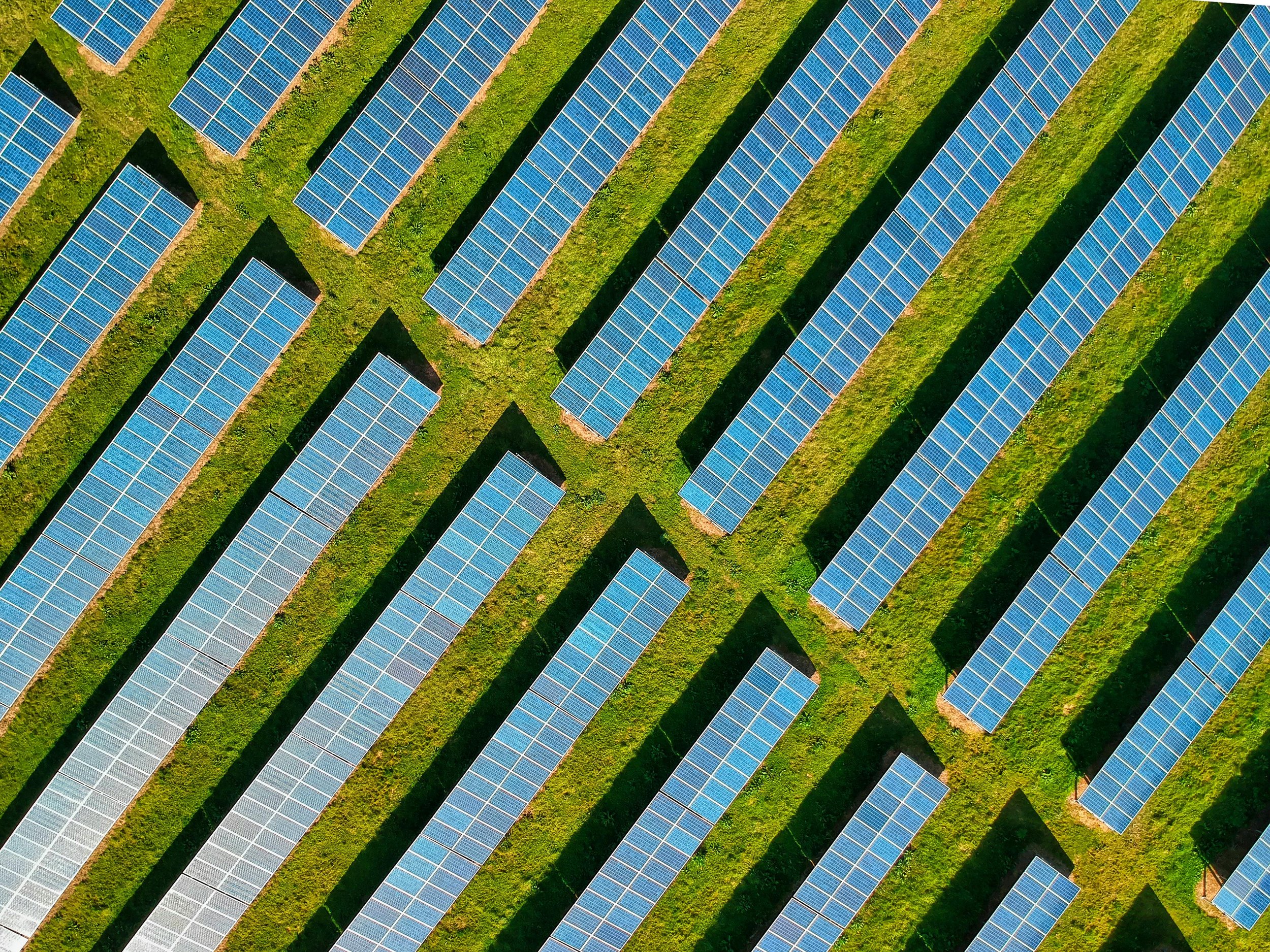
As of the end of last year, the nation demonstrated incredible growth in both solar and wind resources. Solar capacity reached a total of 1,255 megawatts by the start of December 2025. Meanwhile, new wind farms that have become operational within the last year have brought up Croatia’s total wind capacity to 1,277 megawatts.
Solar infrastructure made the most strides in 2025, with around one-third of the total output (417 megawatts) being added to the grid during that calendar year. In total, when combined with wind, hydropower, biomass, and biogas, more than 52.6% of all Croatian electricity was supplied by renewable energy.
Croatia’s investments in renewable energy are paying dividends, much earlier than experts had predicted. With the European Union aiming to be carbon-neutral by 2050, nations like Croatia are leading the way and doing their part to help the continent achieve this goal.
