
The Commons: Britain’s Prison Crisis
Jeff Morgan
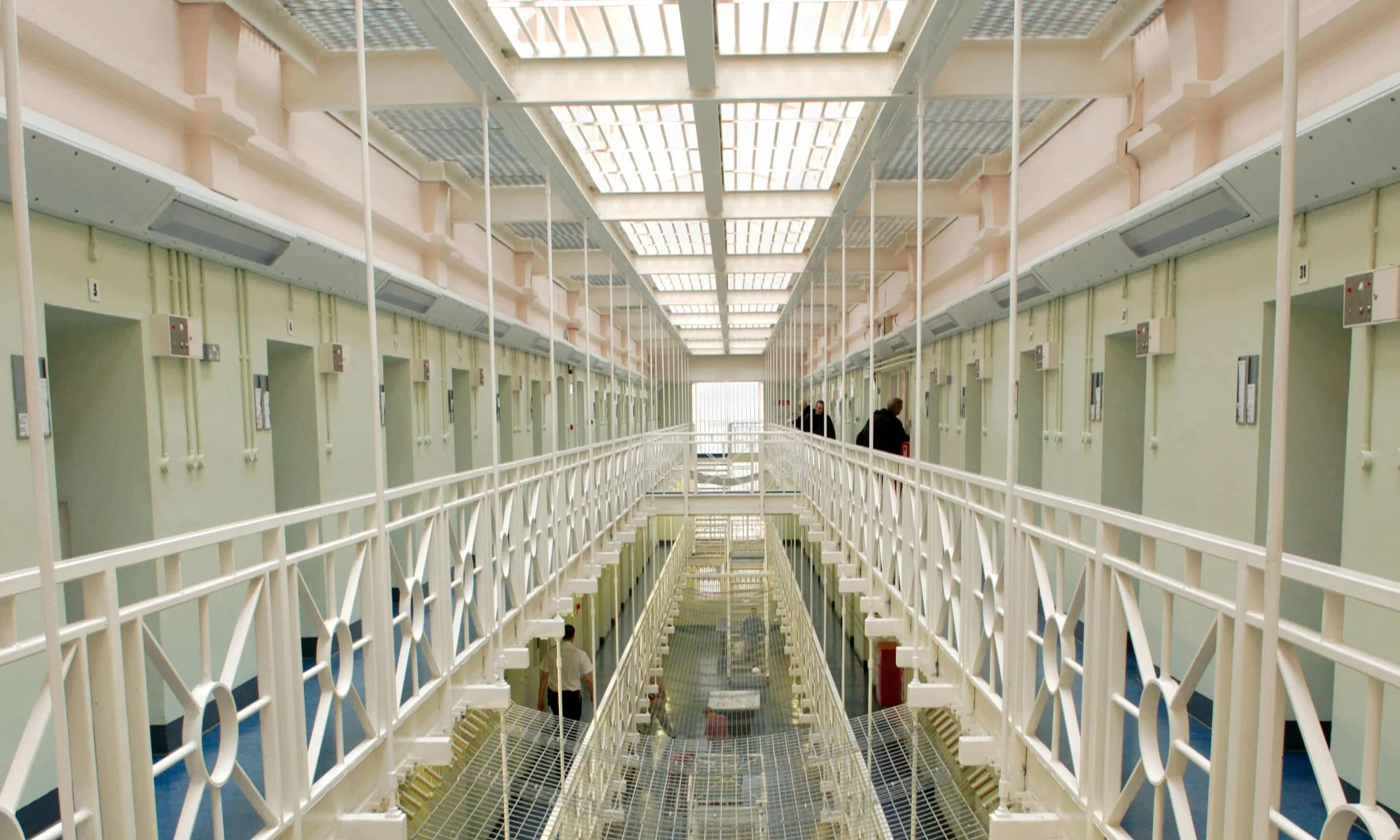
Britain’s prison system is facing one of its most severe capacity crises in decades. Prisons in England and Wales are facing unsafe levels of overpopulation, surpassing the safe operational threshold of 95% to 99.7%. As of March 2025, figures showed an average of 87,009 inmates per prison, with a 25 percent overcrowding rate. The crisis is reaching a critical level, with some private prisons running at a staggering 31% above capacity, raising significant questions of the welfare and security of prisoners. The growing pressure on the prison institution has forced the government to release prisoners early, introducing early release schemes to try and relieve the pressure on prisoners. Ministers argue this is necessary to maintain public safety and ensure that more serious offenders remain behind bars. However, critics argue that this crisis reflects a deeper failure within the justice system and criticisms of being too lenient on sentencing have been posed. Britain’s prison system is being asked to accommodate policies and systems such as rehabilitation programs that cannot work effectively within these conditions.
In the center of this debate remains a crucial question of what the purpose of imprisonment should be for. The balance of prisons being about reforming and rehabilitating prisoners whilst being a way of inflicting punishment onto criminals is a seemingly hard balance whilst in these trying times of overpopulation.
Are Britain’s prisons collapsing under the weight of decades of tough on tough crime and is punishment being prioritized at the expense of rehabilitation?
Numbers Behind This Crisis
This crisis was cemented by a report released on March 14th, 2025, by the Public Accounts Committee (PAC). The Fifteenth Report of Session 2024-2025 estimated that despite the recent early release of thousands of prisoners, prison capacity will run out by June 2026. This data shows urgent action is needed, with the Public Accounts Committee calling for the government to take immediate action on Britain’s prison crisis with suggestions of increased building projects of new prisons.
How Have Prisons Become Overcrowded?
The Independent Sentencing Review released a report citing tough on tough crime as a potential cause of prison overcrowding. The report stated that “penal populism” has failed to reduce reoffending and has directly caused the prisons capacity crisis.
“The reality is that our prison population has grown very rapidly over the last 30 years and the principal cause of this increase is that prison sentences have been lengthened substantially by successive governments. It is an approach that has emphasised the importance of punishment understood primarily as incarceration – an important aspect of sentencing policy – but has been insufficiently focused on the most effective ways to reduce crime
David Gauke, British political commentator, solicitor and former politician
The need to set a precedent and to deter people from committing “tough crimes” by handing out harsher, longer sentencing has left parliament reeling from their decisions regarding Britain having one of the highest occupancies in Europe.
Life Inside Crowded Prisons
The government's Safety in Custody Statistics show significant welfare concerns for prisoners within these surplus prison conditions, with a startling increase of violence and self-harm in both men’s and women's prisons. Mortality rates have risen from nearly a third to 401 in the last 12 months (to the end of 2025), including 86 prisoners who passed away due to ‘self-inflicted’ circumstances. Reported low morale and suicidal thoughts within these institutions are increasingly posing a risk to prisoners, with the rates of self-harm rising by 5% in men’s prisons and by 6% in women’s prisons over 2024.
An edition of the Prison Reform Trust’s flagship Bromley Briefings Prison Factfile highlights further the poor conditions in which prisons were overcrowded. The data is troubling, with issues being flagged with staff, reform programs run within the prisons, and the increased use of force being used on male prisoners.
Data from Prison Reform Trust’s flagship Bromley Briefings Prison Factfile
49% of prisons were judged to have concerning or seriously concerning performance by HM Prisons and Probation Service (HMPPS), a notable increase from 42% the previous year.
Inspectors found that almost three in four inspected prisons (74%) were poor or not sufficiently good at providing purposeful activity.
Inspectors found that safety was not good enough in almost half (44%) of the 31 men’s prisons inspected in 2024–25.
There were seven homicides in prison in 2024 alone—compared with nine in the preceding five years.
Inspectors found that the use of force had increased in over 40% of adult men’s prisons they inspected last year.
With increased rates of mortality, drug activity and self-inflicted injuries, these figures challenge prisons as what was once a place to reflect and reform, into a place of low morale and chaoticy. Britain’s prisons simply do not have the current capacity to provide the reform, welfare and rehabilitation services they once did.
Punishment Vs Reform
At the heart of Britain’s prison crisis lies a crucial debate over the purpose of imprisonment; whether it should be focused on punishment, or reform. Prisons are expected to serve two functions: To punish offenders for their crimes, and to rehabilitate them into members of society so that they can reintegrate into society successfully. As these conditions are overcrowded, how effectively can these two be achieved?
The use of “tough on crime” strategies are seen to the public as a necessary measure and to provide justice for victims. Supporters argue that punishment must come first to successfully deter others from crime and that victims get justice and closure from their criminal actions.
However, the excessive focus on punishment has affected the overcrowding crisis by increasing the amount of prisoners. As the population of prisons have increased, programs for rehabilitation have come under pressure. Staff shortages and overcrowding means that inmates are not receiving the necessary support to reintegrate into society after their sentence.
This has raised questions on whether prisons are effectively preparing inmates for release, as rehabilitation programs in prisons provide a means of gaining employment, education and mental health support, effectively reducing reoffending rates. These programs have been hard to deliver whilst in the midst of an overpopulation crisis. If prisoners cannot receive this support, they have not addressed the issues that contribute to their offending behavior, making prisons an institution that merely delays crime rather than preventing and addressing criminal activity.
As overcrowding reaches critical levels, Britain faces a difficult question, should prisons punish offenders or should they reduce the likelihood that offenders return?
The Government’s Response
In response to The Fifteenth Report of Session 2024-2025, the government responded with several aims to help reduce and support prisoners whilst taking into consideration aims of reform and morale. The government has commissioned a report examining how prisons became so full and to consider ways in which overcrowding can be avoided by giving tougher punishments outside of prison. In an emergency effort into tackling the crisis, the government launched an early prisoner release scheme in September 2025, hoping to relieve some pressure on prisons.
“This briefing highlights a worrying decline in performance across the board and underlines the urgent need for measures to reduce demand on our critically overburdened prisons. The Sentencing Act goes some way to meeting this challenge. Provisions to limit the use of short sentences and increase the uptake of effective community alternatives are welcome but must be backed by sufficient resources and support for probation. However, the act will not fix all the manifold problems in our prison and probation system, and it dodges the crucial task of turning the tide on runaway sentence inflation, which has been the chief cause of rising prison numbers. But with sustained political will and investment, it could be the start of a journey towards a more effective and humane justice system.”- Pia Sinha, chief executive of the Prison Reform Trust
In response to welfare and morale concerns of prisoners, parliament stated their intention for the Ministry of Justice (MoJ) and HMPPS to evaluate the impact that prisoners have faced during the overcrowding crises.
The government has suggested these steps into improving prisons, in addition to The Sentencing Act:
Setting out how much funding prisons need to improve them.
Finding out what additional funding it requires to increase probation capacity and provision of community support.
How it will evaluate the impacts of any future changes to probation and community sentencing on reoffending rates.
MoJ and HMPPS should set out how they intend to evaluate the impact of prison capacity pressures on key areas such as: completeness of risk assessments for new prisoners, self–harm and levels of violence, access to prison services such as education, drug rehabilitation, and work opportunities and access to purposeful activity and time spent outside of cells.
Britain’s prisons crisis is no longer an issue of capacity. Within these times of overcrowding, tensions have been exposed about the workings of the criminal justice systems, raising questions on the purpose of imprisonment. While the government has continued to pursue harsher sentencing policies to achieve justice for victims, the consequences of overcrowding are hard to ignore.
Overcrowding has placed a significant strain on prison staff, prisoner welfare, and rehabilitation programs. Rising levels of violence, poor living conditions, and self harm have overwhelmed prisons and ministers are worried about the nature of prisons if overcrowding conditions continue. New prison construction, ministers argue, helps serious offenders remain behind bars and protects the nation. Expanding prison capacity may provide some help in the short term, but without addressing the conditions of already functioning prisons, it is unlikely that rates of overcrowding may be completely solved.