
EU Currents: Neighbors Helping Neighbors
Tahir Xəlfə
Background
Slovenia will launch a system that enables electricity sharing on July 1, which will allow solar owners to share their excess electricity with designated recipients anywhere in the nation. An amendment to the nation’s Electricity Supply Act has allowed this scheme to unfold, in a move that will lessen stress on the grid and allow Slovenians to help each other in times of need.
Elektro-Slovenija (ELES), the national power company, touted the benefits of the program in a press release on May 15. “The purpose of this measure is to use surplus electricity produced by solar power plants more efficiently,” the press release read. It further stated that “Sharing also has a solidarity effect in addition to the balancing effect-for example, helping a relative, friend or acquaintance.”
The price of the electricity shared between the two parties is completely contingent on a deal made between the two parties and any unused electricity will revert to the sender.
Before the introduction and approval of this scheme, excess electricity produced by a household was released back to the grid.
The introduction of electricity sharing comes two years after a major push by the government to achieve climate neutrality by 2045. The nation is legally bound to reach climate neutrality between 2045 and 2050 as part of EU initiatives.
One of the major pieces of EU legislation that supports the energy sharing system is the Affordable Energy Action Plan, which was presented by the European Commission in February 2025. The plan is built on four main pillars: lowering energy costs for all, completing the Energy Union, attracting investments and ensuring delivery and readying the bloc for potential energy crises.
The 2025 State of the Energy Union Report stated that while the bloc has made progress in line with the Affordable Energy Action Plan, there is still work to be done by many member states.
The EU is a leader in research and innovation for clean energy technology and is looking to consolidate that position while enhancing innovation, securing supply chains and maintaining global competitiveness. The European Investment Bank’s TechEU program is expected to allocate 250 billion euros to further these goals. Member States like Slovenia stand to become direct beneficiaries of these resources and help the EU accomplish their climate goals.
Harnessing Natural Potential
Slovenia benefits as one of the few European Union member states with a high technical potential to capitalize on renewable energy sources, as mountainous areas in the nation's west often see average wind speeds of up to six meters a second at a height of 50 meters.
Additionally, the southwestern region of the nation is spoiled by sunlight, with a potential for 4 kilowatt hours to be produced a day in Slovenia’s Coastal Karst and Gorizia regions. The entire nation averages more than 2,000 hours of sunshine annually.
In 2025 alone, Slovenia added more than 146.5 megawatts of solar energy, though installations for residences declined when compared to the previous year.
“There is an upward trend in issued permits from 2024 to 2025 which is a welcome development and shows people recognizing the good conditions we have in Slovenia,” said Nina Hojnik, director of the Slovenian Photovoltaic Association.
If Slovenia were to fully tap into these resources and residential solar permits increased, the returns could be incredibly beneficial and would go a long way towards energy independence.
Investment Where It Counts
This past March, Slovenia approved 59 million euros toward bolstering its renewable power resources. In total, six grid upgrade projects are set to be completed, with national funding being supplemented with funding from the European Union’s Modernization Fund.
The focus has been primarily on regions where electricity demand is growing, particularly in urban areas. Networks operated in Ljubljana, Gorenjska and Celje will receive upgrades to critical distribution infrastructure, modernization of high- and medium-voltage switching facilities along with replacement of transformers.
ELES is partnering with regional distribution companies to bring the new infrastructure online, strengthening the electrical grid’s capacity and reliability while improving the nation’s ability to connect new renewable energy sources.
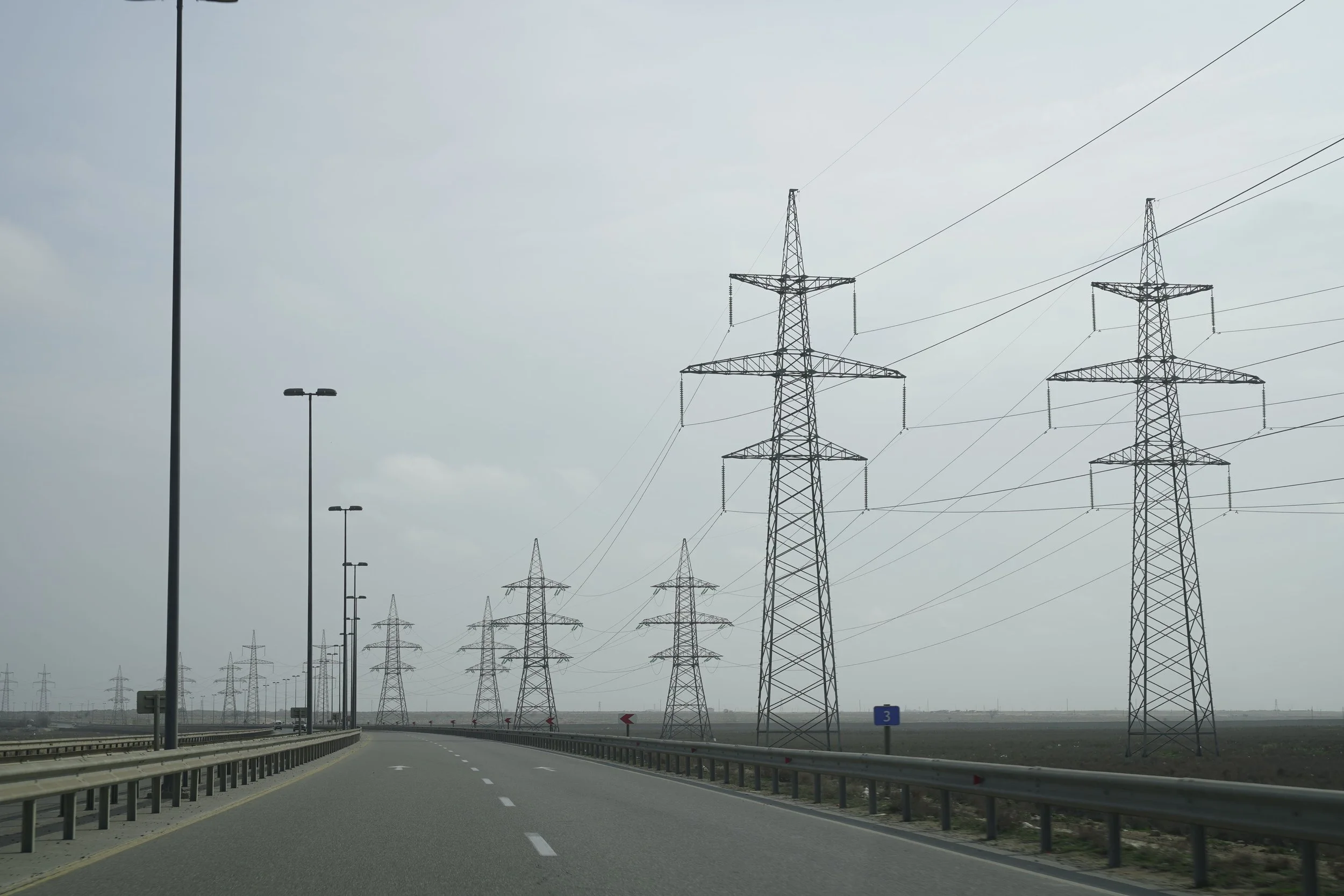
One of the most important improvements involves submerging a section of high-voltage power lines between the towns of Dravograd and Velenje. Additionally, Elektro Maribor will also build a new double-circuit 110-kilovolt transmission line between Murska Sobota and Lendava. Switching equipment at a substation in Vrtojba will also be reconstructed by Elektro Primorska.
These projects are necessary in the long term and symbolize a small part of an investment totaling almost 4 billion euros.
“Energy transition in reality begins with the grid,” said Energy Minister Bojan Kumer in an interview with Slovenia Times.
A Movement Towards Energy Independence
These recent investments are right on time for a nation in Slovenia’s position. The nation heavily imports energy due to a lack of domestic reserves of crude oil and natural gas, mostly through neighboring Austria and Croatia.
Currently, the nation would be considered to rely on “medium dependency” when compared to other member states, as 50% of consumed energy is produced in the nation and is completely dependent on those imports.
Continued investment in hydroelectric sources is yielding an output of more than 31% of the nation’s electricity production, nearly matching the production of fossil-fuel powered plants (32%). Lastly, the Krško Nuclear Plant produces 35% of the nation’s electricity.
Continued expansion of solar energy infrastructure in Slovenia will encourage a successful future for this program. Encouraging Slovenians across the country to help their fellow citizens through this program is also a healthy benefit that will push Slovenia and the rest of the European Union towards their goal of a climate-neutral future.
