
The Commons: The Chagos Islands Deal
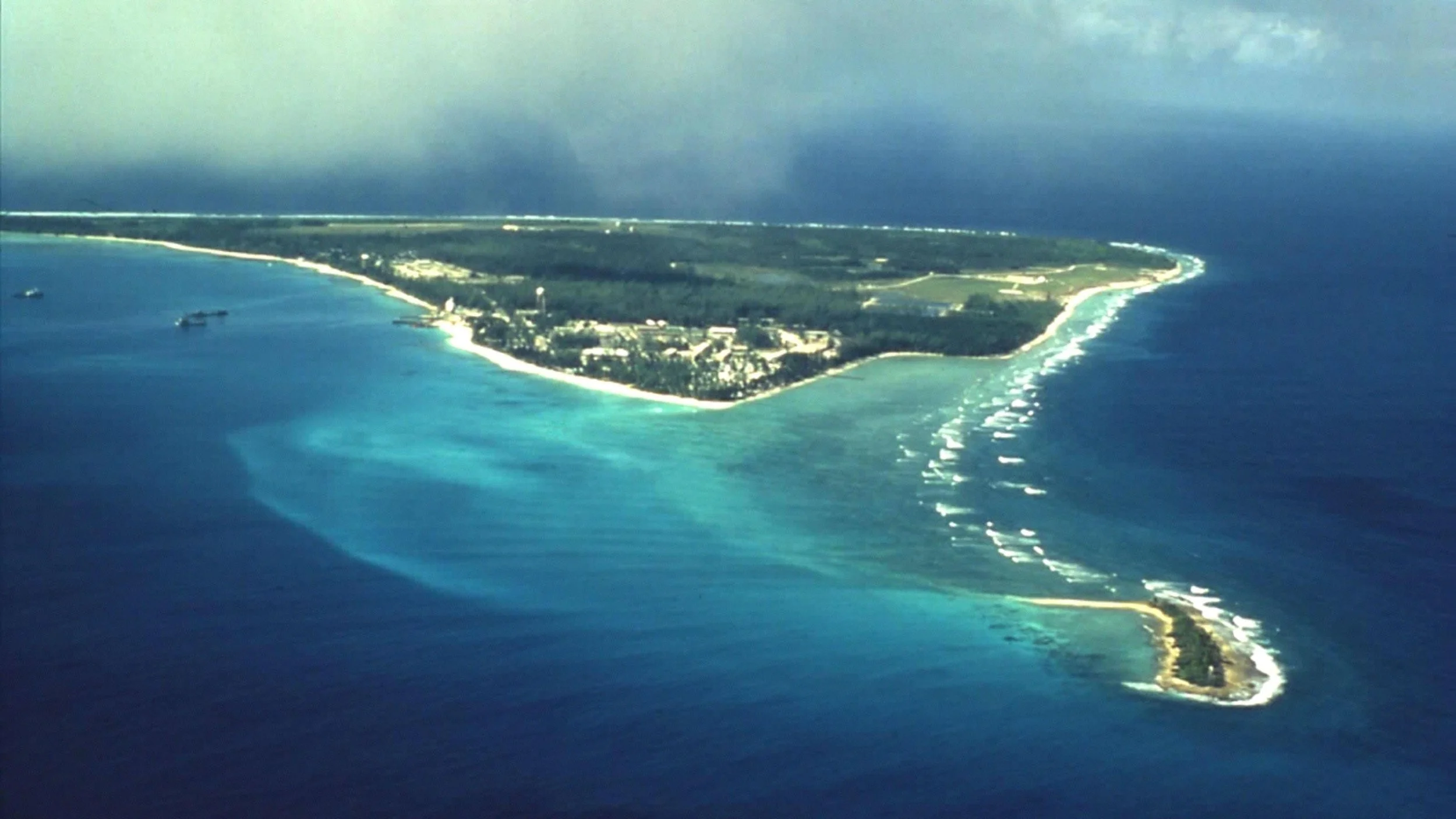
The Chagos Islands are a group of around 60 islands that reside halfway between East Africa and Indonesia. They have been under British control since 1814 when they were ceded to Britain with Mauritius, which was then a British colony. In 1965, ahead of Mauritius gaining independence from Britain, the Chagos Islands were made to be a British overseas territory and through an Order on Council under the Royal Prerogative. In return for the detachment of the islands, the UK provided Mauritius with a £3 million grant. In 1966, the UK agreements for the lease of Diego Garcia, the island on which the military base, were signed.
For decades, Britain’s control over the Chagos Islands has been largely uncontested. However, the status of the territory and its military base have been the subject of legal and diplomatic disputes. In 2019, the International Court in Justice (ICJ) gave an advisory opinion on the UK’s sovereignty over the islands.
The International Court in Justice’s opinions
The process of decolonization of Mauritius was not lawfully completed when Mauritius was granted independence in 1968.
The UK was “under an obligation to bring to an end its administration of the archipelago as rapidly as possible”.
All UN member states were under an obligation to cooperate with the UN to complete the decolonizsation of Mauritius.
This opinion was followed briefly by the UN’s general assembly resolution 73/79 that endorsed these findings and recognized the Chagos Archipelago as an “integral part of the territory of Mauritius”. Through these conclusions, diplomatic pressure on Britain increased and became a key factor behind negotiations that led then Prime Minister Keir Starmer’s agreement to transfer sovereignty of the islands to Mauritius whilst retaining access to the Diego Garcia military base through a long-term lease agreement.
The Government’s Case for the Deal
The UK agreed to a deal with Mauritius in May, 2025, to determine the sovereignty and the future of the Chagos Archipelago. The agreement provides for Mauritius to exercise full sovereignty over the Chagos Archipelago, with the UK maintaining Diego Garcia. The government has stressed the strategic importance of preserving the military base, with Diego Garcia remaining one of the most significant military bases in the Indian ocean. With the Mauritian Government having offered to lease the base for 99 years, ministers claim that this agreement protects both American and British national interests while resolving colonial dispute over the sovereignty of the islands.
Supporters of the deal emphasize the completion aspect of the deal for the decolonialization of the islands that should have been resolved decades ago. Supporters argue that Britain’s maintaining of the islands in the midst of international legal opposition would have negatively impacted Britain and weakened the relations of international order. From this perspective, supporters argue that this represents diplomacy rather than a complete concession of national interests.
We have gained recognition of our sovereignty over the entire archipelago of Chagos, including Diego Garcia, which completes the process of decolonisation which began in 1968. -Navin Ramgoolan
Mauritian Prime Minister, Navin Ramgoolan described the agreement as a “great victory”, highlighting the decolonial aspects that the deal brings.
Criticisms of the Agreement
Despite the government’s support over the agreement, the decision has faced scrutiny from commentators, politicians, and some members of the Chagossian community. Critics contend that these arguments overlook the costs associated with this agreement, raising vital questions on whether the government has prioritized international opinion over British sovereignty. Leader of the Opposition Kemi Badenoch has criticized the agreement, arguing that the agreement is a “surrender”.
‘Keir Starmer is using international law as a fig leaf for an ideological, political choice. There was no binding judgment against our sovereignty over the Chagos Islands, and no court has the jurisdiction to make one. The prime minister’s claim that we had to do this deal or face losing the base is a risible argument that doesn’t stand up to scrutiny. The text of this surrender treaty shows what this is really about: decolonisation and “righting the wrongs of the past”—snivelling capitulations to left-wing activists who hate Britain and are ashamed of our history.’
The House of Lords International Agreements Committee published its report into the agreement on June 25, 2025, , highlighting both the positives and negatives of the agreement. The committee raised several concerns such as:
The House of Lords International Agreements Committee Report Findings
The cost of the lease to the UK taxpayer was too high.
The agreement did not ‘guarantee’ that Chagossians could return to the Chagos Islands in the future.
There were uncertainties around the future of the marine protected areas.
There was no guarantee of an extension to the agreement following the initial 99-year period.
That questions have been raised concerning the enforceability of the right of first refusal.
One of the most prominent criticisms concerns the financial cost of the agreements. Under the agreement set, Britain will lease Diego Garcia for 99 years at an estimated cost of 100 million pounds. Critics have argued that the UK shouldn't have to pay to maintain access to a military base on territory that it previously controlled, placing a financial strain on taxpayers. National security concerns have further fuelled critics. Diego Garcia remains one of the most strategically significant military bases used by both Britain and the US, helping support operations across the Middle East and Africa. Critics fear that Britain transferring sovereignty could create further uncertainties over the operation of the base, even with the lease arrangement of 99 years in place.
Altogether, these criticisms have allowed critics to portray this agreement not as an achievement in relinquishing sovereignty and giving independence, but as a costly agreement that weakens Britain’s military and sovereignty.
The US and Geopolitical Sphere
The agreement, due to Diego Garcia’s location, extends beyond sovereignty and questions strategic security. The debate over whether this deal is detrimental to national security has caught the attention of the US, including President Donald Trump. President Donald Trump has appeared to have posted on his social media platform, Truth Social, about the agreement and his withdrawal of support.
The UK government has been forced to temporarily shelve the deal amid the US’s lack of sending legal necessities for the deal, including a formal exchange of letters. A spokesperson for the UK has said that they will “only proceed with the deal if it has the US support” and has stressed that they are continuing to engage with the US and Mauritius over the Chagos Bill. This debate has become particularly relevant at a time of heightened instability in the Middle East and growing tensions between countries.
Diplomacy or Retreat?
Ultimately, the debate surrounding the Chagos Islands reflects a wider tension within British foreign policy. On one side is the argument that Britain should uphold international law, complete unfinished decolonisation processes and strengthen itself and its unions. From this angle, the agreement shows a recognition of international politics while retaining the future of Diego Garcia through a long term lease. On the other hand is the view that the agreement is an unavoidable concession that shows Britain as overlooking sovereign power over strategically important areas and bases as well as overbearing the tax payers with more financial costs. For these claims, the deal risks diminishing Britain’s strategic influence at a period of heightened geopolitical tensions.
Whether the Chagos agreement is a diplomatic success or a strategic misinput will depend on The United States backing and its long term consequences.