
Carte Blanche: Javier Milei the reformer
bloomberg
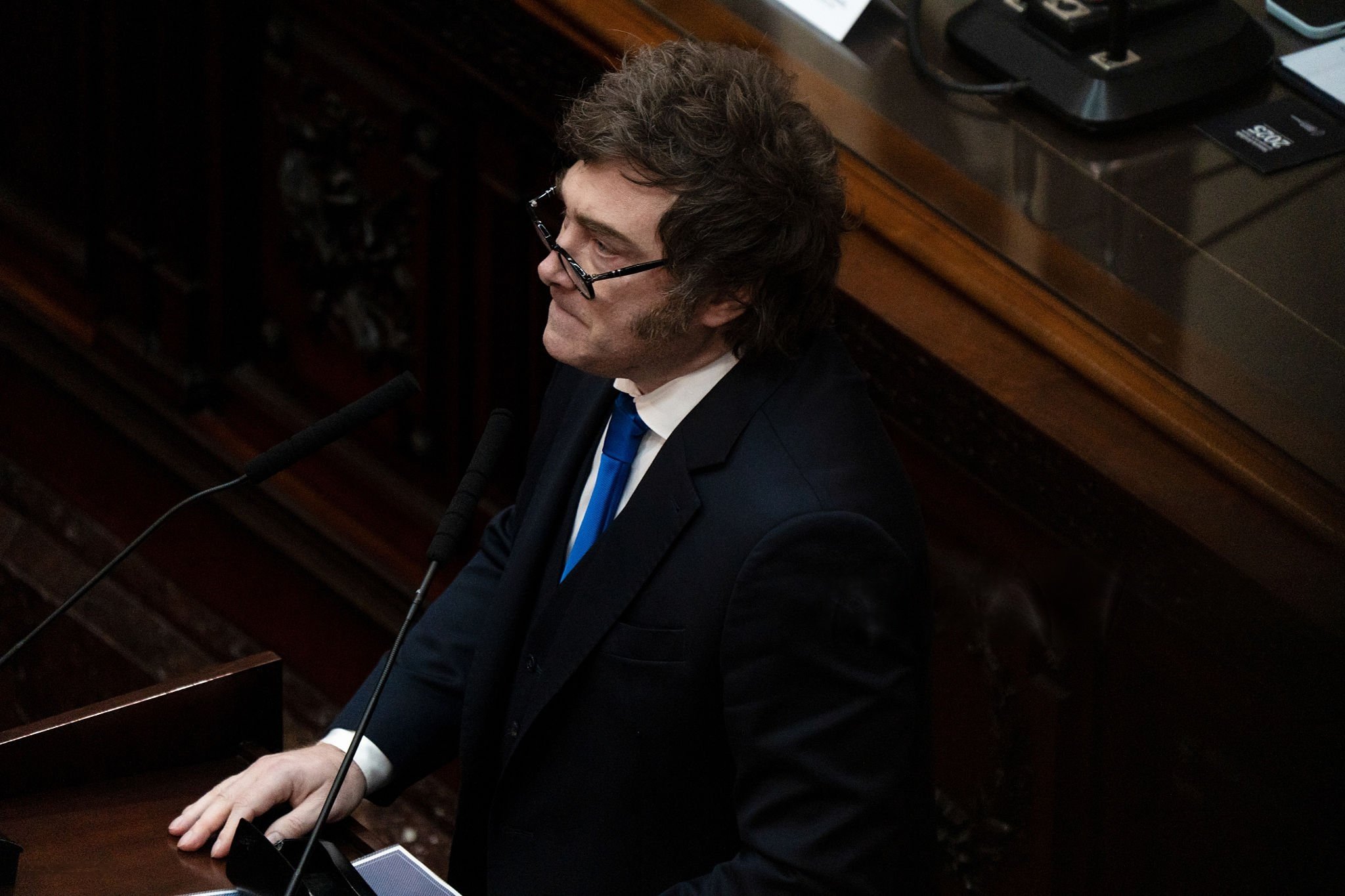
After over two years in office, Javier Milei shows no signs of slowing down. After assuming office on December 10th, 2023, he slashed the size and scope of the government and now has turned his sights to rolling back regulations that have long held back the Argentine economy. The immediate reaction of economists and pundits alike was that his reforms were nothing short of the apocalypse for both the country and the people who had elected him. While it is unlikely that his detractors, who made those comments from tenured positions or high-paying economic positions that have proven immune to their predictions or to global financial downturns, will admit they were incorrect. Regardless, they will have to continue to dine on crow as Milei’s Administration continues. Removing entire ministries and loosening the grip of government bureaucrats is a step in the right direction toward fostering competition and expanding freedom of choice in a nation that has long prided itself on equality above all. In this quest to achieve what has cost the country countless billions, if not trillions, it has damaged its citizens' human rights and empowered the government to do whatever it feels is necessary or just. The country has sacrificed that which is essential to prosperity. The freedom to choose. There is a real chance that Argentina will experience opportunities and growth not seen for over a century by doing what economists hate most: giving the average citizen more freedom of choice. They have responded to Milei’s actions with growing support. All for the chance for hope again.
For decades, the nation has been ruled by successive military Juntas, dictatorships, and presidents who shared one thing in common. That the state must be involved in every facet of life and that only the government can make things fair and equitable for the people. When Milei assumed office, the nation was surely the product of decades of social engineering and economic control from the top down. The state had previously regulated the working day under the guise of protecting workers, but with the opposite effect. By setting the working day at no more than 8 hours, the government effectively limited both how much an employee could earn and the economic output of most businesses. A new law would allow employers to have employees work up to 12 hours a day, but their workweek could still not exceed 48 hours. Approximately 40% of the workforce in some countries is a member of some type of union. This has given those organizations incredible power to force the government and companies to negotiate on their terms and, more often than not, to their benefit, regardless of the cost. What has been the outcome of such a stranglehold? Decades of economic instability and rampant financial devaluation, all while allowing unions to dictate the course of events, regardless of the economic realities of those decisions, have been.
Unemployment in Argentina is recorded as just over 6.6%, with over 14.5% living under the poverty line. As the government reduces subsidies and price controls, there will continue to be consequences. However, this also means the free market can let goods and services flow without strict government controls. Housing in Argentina is already becoming more affordable, and with import controls relaxed, a large amount of trade goods that were recently heavily regulated and taxed are now available to Argentina and its citizens. Milei is continuing the course of removing barriers from both business and choice. Another proposal being considered as a direct consequence of economic reform is the removal of environmental barriers to the exploration of the nation's rich mineral reserves. Both for extraction and for manufacturing. Unions continue to protest these changes, but their argument is more about maintaining the status quo they have long enjoyed than about the benefit of the workers they claim to represent. They have had decades to incorporate the changes they say will benefit workers and ensure a fair and stable economy. Nothing of the sort has occurred, with over 9 million Argentines choosing to work in the ‘grey economy,’ which is not represented by the unions. The central part of the unions’ argument is that they exist for the benefit of the worker, whereas the reverse is true. Unions have flourished in the country while workers have endured decades of hardships despite their policies and control.
Javier Milei is neither a magician nor a messiah. He is a man with an outlandish speaking style that goes well with his hair and dress. For the first time in recent memory, hope has returned to Argentina. Not that the government will liberate the country from the debt and despair that it created in the first place; the process will be a long and difficult one, but when the nation has slipped so deeply into financial ruin and is kept there by the power of the state, it is no small task to restrain the government and assure the people that they can do anything they set their mind to without bureaucrats or ministers getting involved. Argentina is a nation blessed with a powerful industrial base, rich natural resources, an educated population, and access to the sea. In a relatively short time, it can and should become the economic powerhouse that it once was. The great difficulty will not be the hardships the people will face, but in resisting the urge to turn again to their government to solve the problems that they had created in the first place. While reforming the nation's workday laws may seem small, in reality it can be one of the deciding factors in the nation's future. It can be the spark that reignites the drive to achieve and to grow that once led the nation to incredible heights. Then the people of Argentina might rediscover what it is to have what you make, not what the government takes and gives back piecemeal.