
Third Way: The Right to A Censored Education
Michael Dziedzic
The American education system can be divided into three sectors: public, private, and home-based. By offering a variety of educational experiences, individual families have the freedom to pick and choose curriculum based on personal beliefs and principles.
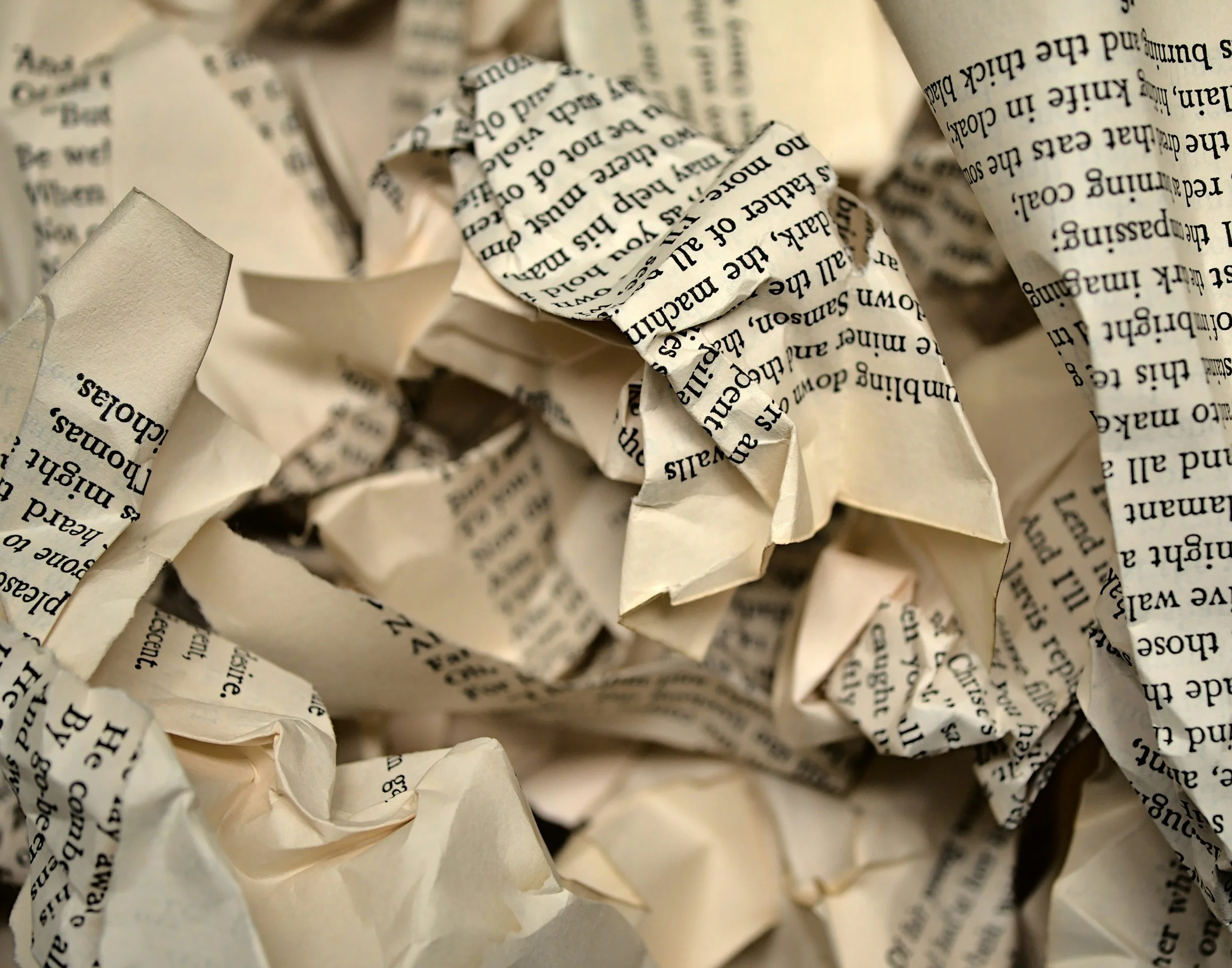
This freedom of decision, however, has become constrained in recent years as issues regarding censorship increase. Among these efforts to censor public education, falls the topic of book bans. While not outright destroying all copies of literature deemed to be inappropriate or unfit for a student’s consumption, banning books removes them from libraries and schools where they would be most easily accessible to said students. On a basic principle, this idea sounds well founded. Removing inappropriate content in order to help prevent kids and young adults from being exposed to mature themes before they are mentally or emotionally ready to process them is an admirable goal. Not so admirable, however, are the true reasons for why many of these banned books are included on the list.
Books that exemplify themes of political rebellion, social upset, or a general “stick it to the man” attitude are frequenters of the banned book list. Novels such as The Handmaid's Tale and 1984 which detail dystopian societies and the protagonist's efforts to revolt are both included. These novels teach their reader that they do not have to lay down and let the government stand on their necks. They can stand up and fight for what they believe in, and they can do it in a manner that is not physically violent, but rather driven by intellectual capacity and mental fortitude.
The aphorism "knowledge is power” rings ever true when considering the importance of exposure to literature with complex characters and a general attitude of questioning one's circumstances. When a society ceases seeking further knowledge and searching for answers they do not know, it becomes vulnerable to being abused by those in power. The information we consume becomes the reality we experience. If the government removes books opposing ideas they disagree with, then at a certain point, society will no longer know anything different than what their leaders tell them. This is how dictatorships form. This is why propaganda exists. This is why it is paramount that every individual be educated on their rights, and the rights of the administration they exist under.
Also included in the controversy of book bans is books that feature LGBTQIA+ characters and themes. It is often perceived that any instance of homosexuality within literature must be a perverse topic. Whereas heterosexual relationships are praised as good examples and thus deemed appropriate.
The Christian Nationalists in the United States have pushed for the removal of LGBTQIA+ literature from schools and public libraries on the grounds that they are inappropriate for children to read. However, they take no pause with kids studying the bible; a book that is full of sex, rape, and violence. This is not meant to condemn Christianity. It is merely an observation of the hypocrisy of not allowing a child to read a book where a same-sex couple adopts a baby, but being fine with exposing them to far more mature examples of adult relationships.
Race is another central theme that is often regarded as being inappropriate for students to engage with. The very principle of this idea is really quite ridiculous. The world, and especially the United States, are composed of individuals from thousands of different backgrounds. To insist that learning about these cultural, ethnic, and racial differences is inappropriate is an affront to education as a whole. Children attend school to learn and develop necessary skills. Among these skills are the ideas of compassion and empathy. In order to raise compassionate and empathic children, one must teach them about acceptance and the importance of understanding those whose backgrounds differ from their own.
A commonly attacked aspect of education regarding racial identities is that of Critical Race Theory (CRT). CRT is meant to educate students on the principles within society that are inherently racially prejudiced. Institutions such as the justice system being one of them. These teachings however, have been wildly misunderstood by parents and government officials alike, who believe that CRT is meant to admonish all white people and paint them as villains in every story. The intent of CRT is to acknowledge the wrongdoings of America and the racist origins it was founded upon. It is designed to make the next generation of leaders aware of what the past looked like, so that they do not repeat it now.
The beauty of books is that they allow individuals to explore perspectives outside of the bounds of their lived experiences. It helps foster compassion and creativity and encourages children to engage with others on a deeper level as they learn the complexities of life and how everyone’s lives can and often do, look different. Without this exposure, children have a much smaller lens with which to view the world. This not only harms their perception of others, but also their perception of self, by marring the bounds of what they believe to be possible and thus stunting their ambitions.