
Carte Blanche: Taxes, what for?
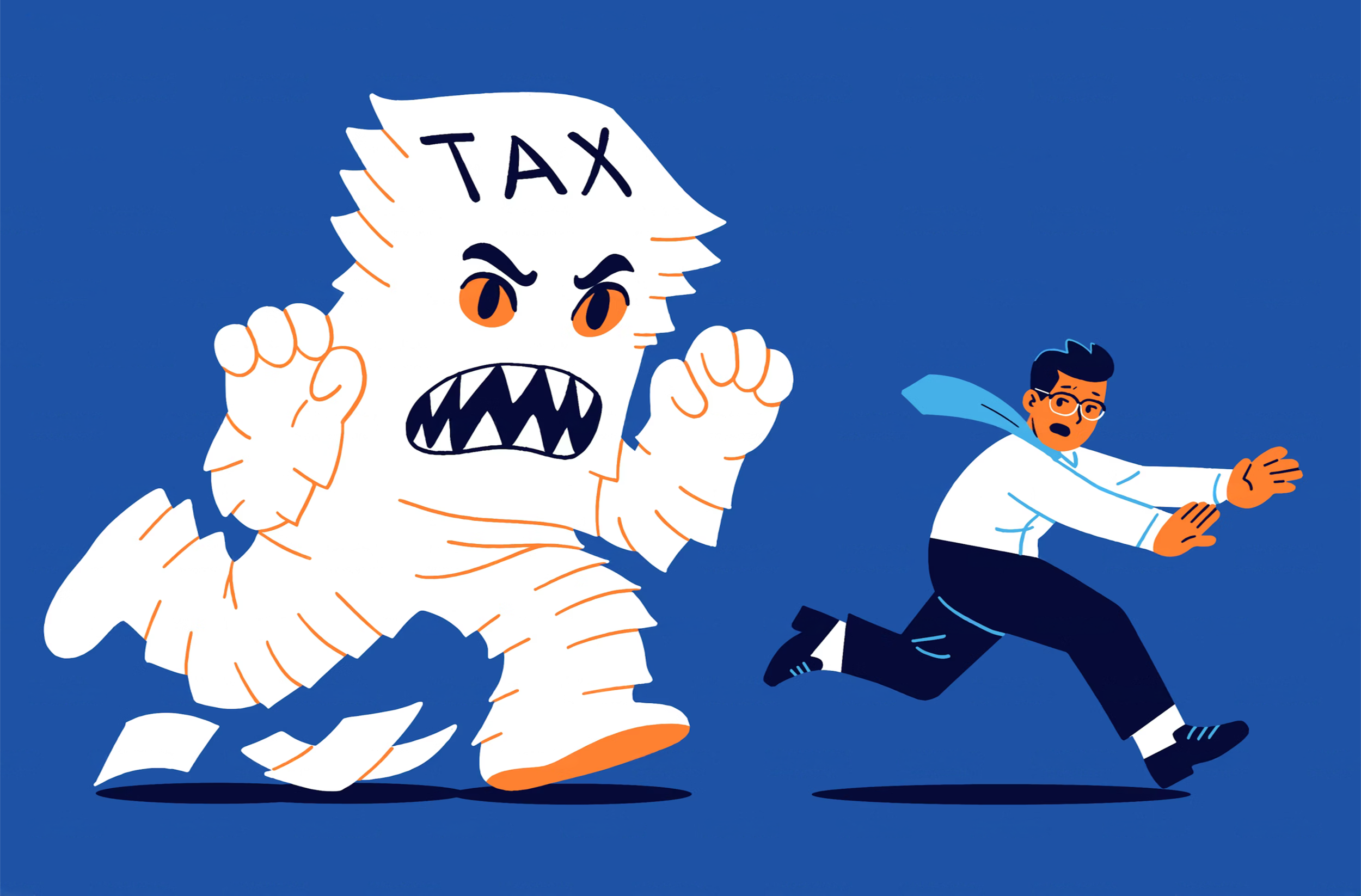
Gustopo
"What is the difference between a taxidermist and a tax collector? The taxidermist takes only your skin." - Mark Twain
Life offers few, if any, certainties. If pressed to present an example of one at this given moment, there is only death, but a close second would be taxes. Every human civilization, on every continent, and at every time has had some form of taxes. Sometimes it was gold and silver, and other times, salt and pork. Currency has come in many forms, but taxes are a cost universally recognized by economists and historians alike as uniting them. Taxes have always existed, but the argument is remorseful agreement: they are necessary for nations to function. There is no debate about the expected graft and mismanagement that come with the institutions of tax collection and government spending. Politicians will wave their hands across vast amounts of paper and maps, pointing to the roads, powerlines, hospitals, and schools that everyone agrees are there for everyone's benefit. Then they will point to warships and fighter jets that keep it all safe. Every program necessary, every expense is unavoidable, and to top it all off, they will always offer, “Imagine how terrible things would be without the taxes to provide it all.” When the issue of waste, over-budget programs, soaring debt, utter mismanagement, or any other inconvenient truth is brought up, again, they will insist, “Things could be worse without taxes.”
After all, there are those who have too much and those who don’t have enough. Except the government. It can never have too much, only not enough. In 1913, the worst tax of all was imposed on the American people: the Income Tax. It was only supposed to be paid by the richest Americans; now, nearly everyone pays some amount. The money brought into the treasury would build roads, bridges, and oh, so much more. Now, over a century later, the nation has accumulated more debt than any other nation in history. The nation's infrastructure is outdated and on the verge of collapse. Hospitals either bankrupt their patients or are so underfunded, understaffed, and overburdened that they help no one. Universities produce diplomas instead of scholars, and the military seeks conflicts so as to never have to suffer the horrible tragedy of budget cuts. How will the nation escape such dire straits? More taxes and the sooner the better. It will work this time; if not, there’s plenty more to tax again.
The federal budget now sits at $7.4 trillion. An increase of $300 billion from the previous year. In fiscal year 2026, the federal government is expected to take in $5.6 trillion. Maintaining a deficit of spending level of $1.8 trillion. With a debt of nearly $39 trillion and no signs of slowing down, what is the average American getting for all of this spending? Not much and nothing promised for such a high price. Social security, Medicare, and interest on the national debt account for roughly 52% of government spending. Meanwhile, another war is raging in the Middle East that the self-styled and appropriately so, Secretary of War preaches as wholly necessary for stability and peace. Both of which the nation has been drowning in since the second Trump Administration started. There has been a continuous stream of near-crashes and crashes involving airplanes for decades, and the US infrastructure as a whole is on the verge of collapse, from highways to rail lines. The programs instituted by FDR and his New Deal policies have grown so bloated and overburdened that they provide neither certainty nor a living standard for the old and disabled, as had been promised. There are no real reforms promised by political leaders at any level, for fear of upsetting a voter base that relies on and enjoys the government's services and funding. Congress has become increasingly partisan, and in less than six months, the government has either shut down or partially shut down three times. Despite all of this, there is no real drive to balance budgets or relieve the burden of taxes.
The very premise of taxes, the promise that is heavily implied and seldom expressed, is that in exchange for your hard-earned money, the government will provide safety, security, and the infrastructure you need for your modern-day life. But what if the government fails to provide these things? In fact, what if the elected leaders of the nation do everything in their power to ignore the issues that pile up and instead focus on pet projects and political partisanship instead of the nation? That is the very state America finds itself in. The great evil is not simply that this is happening but that while politicians and civil servants alike aren’t holding up their end of the deal, taxpayers, on threat of violence, must keep paying. It is time that a line is drawn in the sand. If those elected to lead the nation are incapable or unwilling to do so, then the question must be raised to the highest courts of the land: Do Americans still have to pay taxes?
The social contract that has long been in place is long forgotten and overlooked. To continue to reward those who wish to volunteer to fulfill the civic duty they say they are uniquely qualified to do, then there must be a consequence for not doing so. There is nothing fair or just about a system that rewards incompetence or malice while the country's citizens are forced to hand over what they have struggled to earn and create in the name of laws and agencies that push the country closer and closer to collapse for all but a few. Paying taxes is only delaying the inevitable because Congress won’t act, and if this continues, the inevitable will happen. It doesn’t have to. If Americans demand accountability and relief from the weight placed on younger generations to plan for their futures with their own money in the way, the burdens can be lifted from future generations, and the government can stop holding citizens accountable for its overpromises and total failures.