
Caribbean Review: French Guiana’s Illegal Mining Problem
Dw
Officials in both France and French Guiana have voiced concerns regarding illegal gold mining operations, with thousands of miners polluting rivers with mercury and destroying vast areas of the Amazon Rainforest. Indigenous communities and ecosystems have been harmed through this process, fueling crime and creating various health crises for miners.
The Gold Rich Rainforest
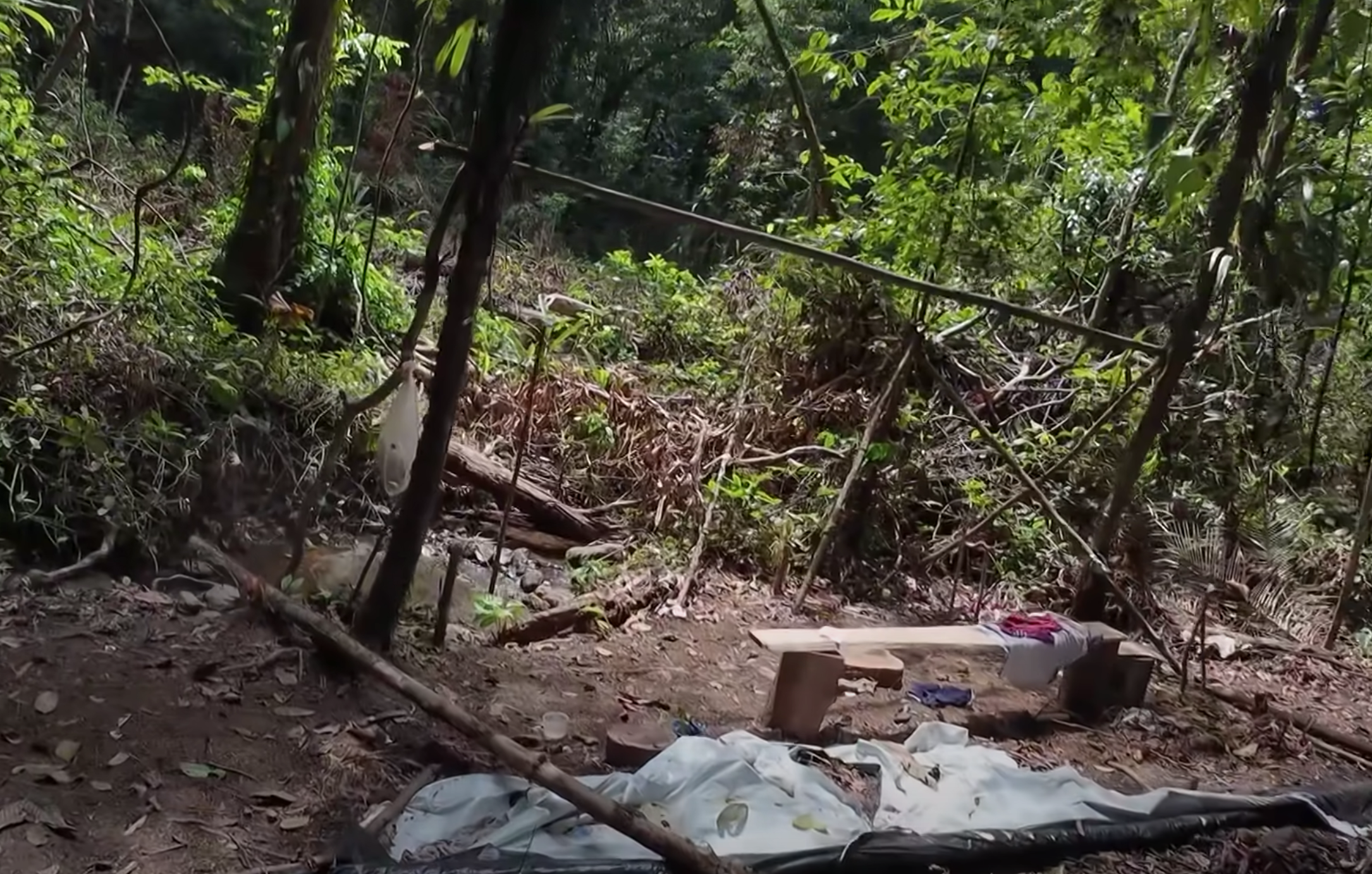
Gold was found in French Guiana in 1855, leading to gold rushes from migrants of the Caribbean and France; however, these largely fell apart due to poor infrastructure and the struggle of navigating the jungle. Though gold rushes in the region date back to at least the 19th century, illegal mining in French Guiana surged during the 1990s due to high gold prices, further destroying the Amazon rainforest with mercury pollution. Miners experienced malaria, mercury poisoning from contaminated food, and other diseases, untreated due to their distance from healthcare centers. Starting in 2020, the French government has been sending in soldiers to try to destroy and seize illegal mining operations, but these have largely been ineffective.
In March 2024, French President Emmanuel Macron said the government is seeking to designate new regulated mining zones to combat illegal mining and its environmental dangers. According to Macron, workers in these areas would be held to sustainable mining rules, including strict bans on the use of mercury for extraction. Mercury from illegal mining operations has leaked into rivers and oceans, putting animals and people at risk. The World Wide Fund for Nature (WWF) collected data that illegal miners release around 1.3 kg of mercury for each kilogram of gold extracted. Macron announced that in 2023, an estimated five metric tons of gold were extracted from French Guiana, mostly from illegal extraction.
There are currently around 400 illegal mining sites in French Guiana, employing around 7,000 people. These sites extract approximately 10 tons of gold annually, valued at around half a billion dollars. Aside from the financial temptation, French Guiana has less strict laws than Brazil, where authorities can use more violent tactics to tackle mining sites.
The French government has identified the primary problem with these operations as their environmental impact. The Amazon is already under attack from massive deforestation efforts in Brazil and surrounding nations, threatening, endangering, and in some cases eradicating many species of the Amazon. Furthermore, the rainforest is extremely important for global climate health, acting as a massive carbon sink, storing huge amounts of CO2. It is also a large regulator of South America’s weather. Indigenous communities within the Amazon are being impacted by the mercury run-off of the mining operations, and so are the animals they rely on for survival. This poisoning has led to severe, long-term health crises, especially among children and women of childbearing age. The miners use the mercury to bind tiny gold particles from river sediment and soil. The bound gold and mercury are then heated, vaporizing the mercury into the atmosphere, where it eventually rains back into the environment.
Mercury’s poisonous impact
Once returned to rivers and lakes, bacteria convert the inorganic mercury into the more toxic methylmercury, which finds itself up the aquatic food chain. Contaminated fish has been the primary route of human exposure to methylmercury, a cultural staple and an essential part of indigenous Amazonian diets. Some effects of this mercury poisoning include neurological damage like cognitive impairment, memory loss, learning difficulties, motor deficits such as spasms and a lack of coordination, sensory disturbances, and developmental delays. Mercury can also easily cause severe damage to a developing baby’s brain, increasing the risk of congenital malformations, neurological deficits, and death. Mercury poisoning can also lead to cardiovascular risk, hypertension, kidney problems, and compromised immune function.
Due to this danger, many indigenous Amazonians fear getting pregnant and having their children get sick. “Breast milk is no longer reliable,” said Alessandra Karap, a leader of the Munduruku people. The Munduruku community is surrounded by illegal mining sites, and the toxins from these operations have heavily impacted the people. Studies have shown that some indigenous communities within Brazil, Peru, Colombia, Ecuador, Guyana, and French Guiana have residents who nearly all tested positive for dangerous levels of mercury in their systems. While governments have tried to make both legal and military efforts to combat the issue of mercury poisoning through illegal mining, the sheer amount of operations and the incentive from this high-profit illegal gold trade is too great to be squashed.
The protection of the Amazon, its indigenous communities, and the surrounding residents of other Amazonian nations relies heavily on the conclusion of these illegal operations. Though this practice has brought a lot of money for those involved, it comes at the environmental risk to both themselves and innocent groups that happen to also share the rainforest. French Guiana’s efforts to combat this problem have fallen short, but with rising levels of mercury poisoning in the area, the need for swift action becomes more and more important.
