
In America: Social Media Giants Face MDL Lawsuit For Platforms Being Addictive And Harmful
lixu
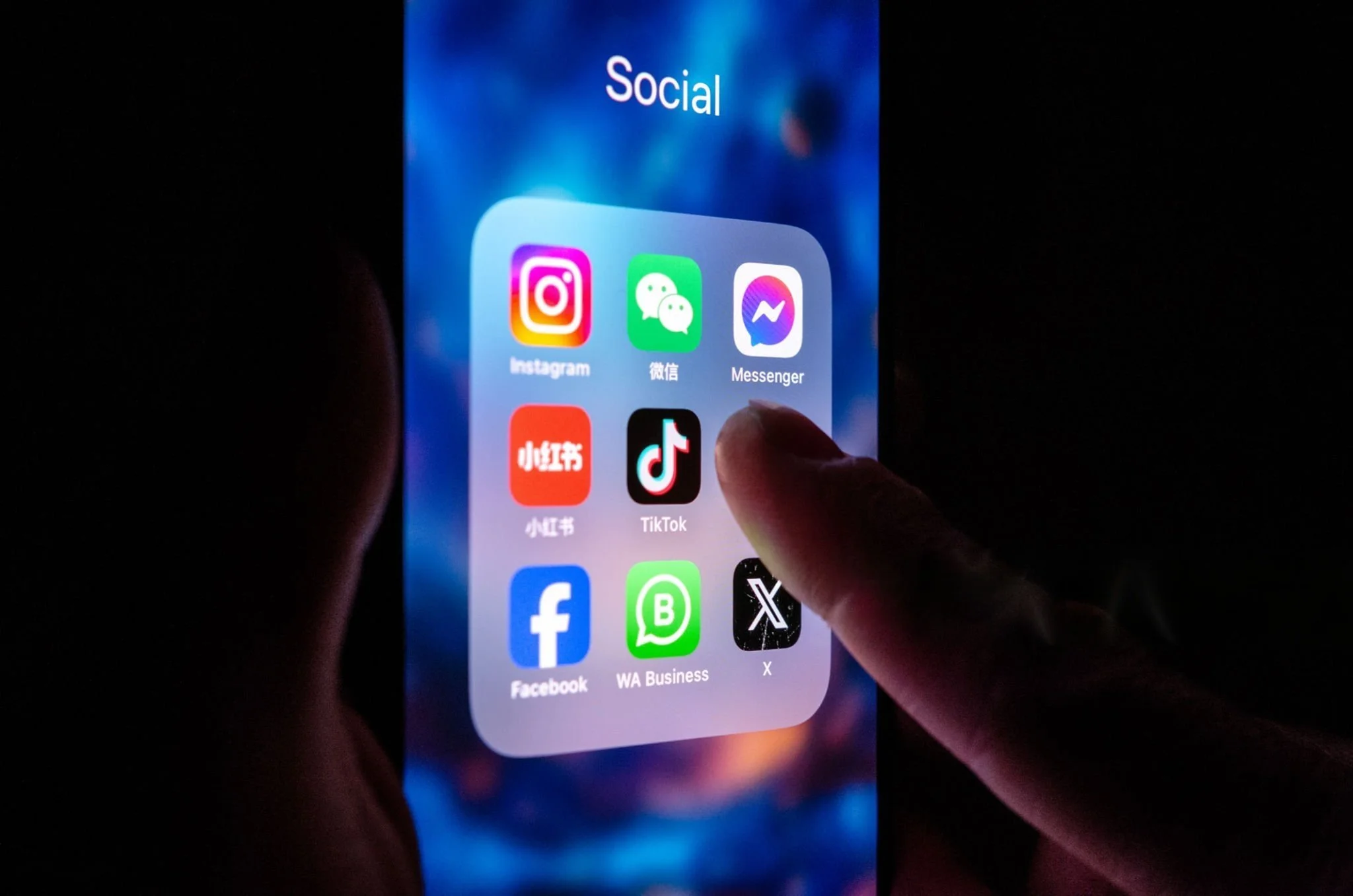
In Sacramento, California, a judge has ordered the filing of a years-long lawsuit bringing social media platforms Meta, Google, ByteDance, and Snap Inc. to court to be unsealed. In the case of “Social Media Adolescent Addiction/Personal Injury Products Liability Multi-District Litigation (MDL) No. 3047,” a 5,807 page filing, it is argued that social media companies have deliberately designed the platforms to be addictive and harmful to people's well-being, especially to youth and teens. Private conversations admittingly reveal staff of the social media companies are aware of these effects and work to conceal the dangers from consumers.
Company Researchers Call Themselves ‘Pushers’ Comparing Their Platforms To Drugs
The filing involves expert testimony, internal emails from social media companies, and technical documents discussing the magnitude of the platform's impact on consumers. The plaintiffs (several state attorney generals, school districts, municipalities, etc.) are using this evidence and testimony to show how the platforms have prioritized engagement-driven algorithms over consumer safety. They argue the defendants have purposefully designed platforms like TikTok, Instagram, YouTube, Snapchat, and Facebook to be addictive to maximize consumer engagement. Within the filing, the plaintiffs noted an exhibit showing Meta’s knowledge of harms through their research staff’s private discussions.
“...IG (Instagram) is a drug…We’re basically pushers…We are causing Reward Deficit Disorder bc people are [being] on IG so much they can’t feel reward anymore…their reward tolerance is so high…[Mosseri, the Head of Instagram] doesn’t want to hear it – he freaked out when I talked about dopamine in my teen fundamentals leads review but its undeniable! Its biological and psychological….the top down directives drive it all towards making sure people keep coming back for more. That would be fine if it's productive but most of the time it isn’t…the majority is just mindless scrolling and ads.”
The plaintiffs claim the evidence shows that executives knew the harm platforms were causing to children and teens and allegedly hid this information from consumers and regulators. Particularly, children were at risk of eating disorders, anxiety, depression, and suicidal ideation due to the addictiveness and overexposure to content on platforms. The plaintiffs believe failing to warn consumers about the risks of their platforms is a breach of duty of care. Because of the effects of the platforms, there is a significant financial burden nationally to address the mental health crisis occurring with young adults and children.
If supported, this stance could establish a legal precedent that the social media industry will need to follow product liability law. This would mean social media platforms would be held liable for the physical and emotional harm caused by their products. In order to avoid this, these platforms would be forced to redesign. Examples of changes could include changing algorithmic targeting, limiting infinite scrolling, and removing autoplay of content. Just as other industries have been held liable for knowingly marketing harmful products (e.g. E-Cigarettes, Tobacco, Alcohol, Opioids, food/beverage companies), this argument implies the social media industry should be held liable in a similar way.
The defendants have made counterarguments attempting to invalidate and dismantle each point made by the plaintiffs. First, they argue that consumers ultimately have free choice and it is the consumer’s responsibility to control their usage. Features such as algorithm targeting, notifications, live video, and others are not inherently defective products harming consumers. In fact, it’s argued these features are products of innovation that are standard in the tech world today. Many of the platforms have even taken initiatives to provide safety and moderation tools for its consumers. Secondly, the defendants claim the quotes used in the filings are cherry-picked and misinformed opinions that create a misleading narrative. The defense makes the argument that the plaintiffs cannot prove that there is a direct causation of mental health harms from the platforms. Another concern of the defense is if regulation is established, it could impede on free speech and innovation.
Starting this new form of legal precedent would face many challenges like judicial discretion, risk of undermining stability and consistency in the legal system, ambiguity in legal understanding and interpretation, and could develop a rigid legal standard for social media usage that people would not support.
Social Media Usage And Mental Health
This lawsuit addresses an underdiscussed topic regarding a new age of addiction. Mental health issues and social media addiction currently receive a secondary level of attention when compared to other forms of addiction and social issues. Social media has changed the social atmosphere to be unlike anything before.
A recent methodological and meta-analytic review with the American Psychological Association claims recent experimental evidence doesn’t show a proven link between social media use and mental health. However, other research continues to advocate the linkage. A 2024 study indicated that, when used moderately, social media can typically improve teenage social skills. However, the concern for social media use and mental health comes from the current level of usage by adults, teenagers, and children. Individuals experience a decline in social skills when there is an increase in social media use.
Platforms amplify social comparison through constant exposure to idealized content. Based on personal activity on the platforms, algorithms will find content that matches individual preferences. This constant comparison has been shown to develop reduced self-esteem, psychological distress, and body dissatisfaction. Several recent longitudinal and experimental studies have concluded reducing social media use can improve mental health outcomes, especially amongst adolescents and young adults.
A European study revealed current trends with daily screentime, influencers leading to increased screentime, demographics of users, and the link to overall wellbeing. Daily screen exposure has seen a growth, often exceeding 4 hours a day outside of school or work activities. The study reported a strong link to rising social media usage and negative physical and psychological health outcomes. This included heightened levels of stress, poorer emotional regulation, increased risks of anxiety and depression, and reduced physical activity. Amongst adults, excessive screen time was associated with higher risks of depression, loneliness, and reduced life satisfaction.
Should social media companies be held liable under product liability, negligence, and fraud laws for knowingly designing addictive platforms that harm consumers? Does concealment of internal research constitute actionable misconduct by the social media platforms?
