
Caribbean Review: St. Eustatius’s Climate Conscious Developments May Facilitate Completely Renewable Systems
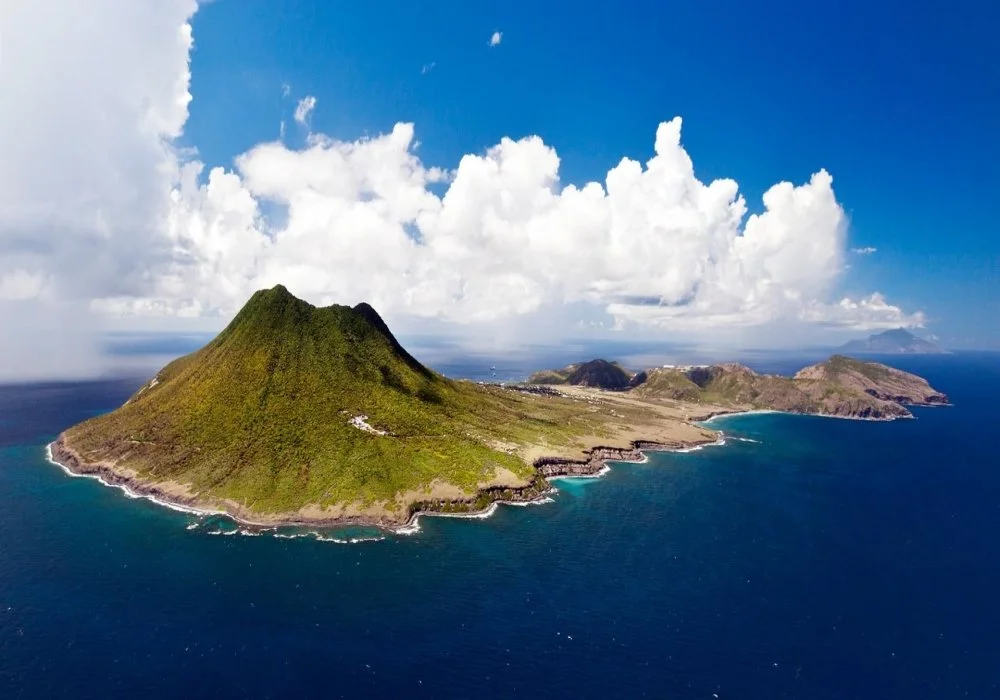
Sint Eustatius continues its push for sustainability through renewable energy investment. Concerning solar energy, the completion of the Sint Eustatius Utility Company (STUCO), Solar Park on January 29, 2025, has helped facilitate the ability for the island to run on 60% solar power during the day, with plans for agrivoltaics, a dual land use system that supports solar power and agriculture. Additionally, the opening of the new King’s Well National Parks Center in November 2025 has highlighted the island's progress in nature conservation and reforestation.
The Completion Of The Solar Park
At the January inauguration, Statia Island Governor Alida Francis and STUCO CEO Fred Cuvalay cut the ribbon to commemorate the completion of the third phase of the STUCO Solar Park. Cuvalay said that STUCO’s further pursuit of renewable energy is a huge milestone for the island.
“Right now, our island is powered 55% by solar energy, and for at least 12 hours each day, we run entirely on the power of the sun. Our little island is making big waves in the world of sustainability, proving that no matter your size, your impact can be massive,” Cuvalay said regarding the solar park’s completion. “Despite the challenges, we’ve persevered and remain leaders in this global movement. We should all feel incredibly proud that our paradise is shining bright for the world to see. Congratulations, Statia! Together, we are making a difference.”
This phase of completion and efficiency follows phase one’s completion in 2026 and phase two’s completion in 2017. Governor Francis said that though STUCO’s initiative and impact are still in their early stages, the company has been significant in the implementation of renewable energy on Statia. Francis also said that the next step for the company is to attain 85% to 90% solar power by early 2027. She also credited the Dutch Ministry of Economic Affairs and other Dutch Support for the further upgrading of the solar park.
What Is STUCO?
STUCO is the primary electricity and water provider for the island of ST. Eustatius. Established in 2013, the company claims to pursue the reliable and renewable supply of energy and water services to St. Eustatius.
“At STUCO, sustainability is at the forefront of our decision-making process. We are committed to working toward goals that will shape our community in positive ways, as we incorporate green energy into our operations,” STUCO’s website reads. “Renewable energy is the future, and at STUCO, we want to honor this. By adding solar panels to the existing park, we can amplify our sustainability efforts – which is an option we are currently exploring.”
Agrivoltaics
STUCO also announced plans to install agrivoltaic systems. This process is the dual use of land for solar energy and agricultural production, pursuing sustainable farming and renewable energy generation. The practice entails the co-locating of elevated solar panels and agricultural activities on the same land. This process has helped combat limited land resource obstacles and has provided better conditions for crops that benefit from more shade, preventing heat stress, especially in hotter climates like St. Eustatius, where the daily UV index ranges from an 8 (very high) to an 11 (extreme). The process also helps farmers diversify income streams, reduce soil erosion, improve water retention, and support biodiversity. Though the process could damage crop yields for some heavy sunlight-reliant plants, the implementation for crops prone to heat stress has had fruitful results.
The system of agrivoltaics is actively being implemented and piloted in St. Eustatius in pursuit of food security and sustainable energy. The European Union has helped fund this initiative with close cooperation with local farmers through testing which crops can work best being grown under solar panels. The pilot, currently being run at STUCO’s solar park, is testing the turnout of this system, and the results will influence whether agrivoltaics is utilized on a large scale in Statia.
King’s Well National Park And Caribbean Climate Conscious
In November 2025, King’s Well National Park was also opened on Statia. The area is a protected marine and terrestrial mature sanctuary, featuring diverse coral reefs, shipwrecks, and volcanic landscapes. Other islands in the Caribbean have invested in natural sustainability and conservation through the designation of natural parks and other protected areas. These designations have provided better awareness of the importance of national parks and display the necessity to maintain ecosystems on these islands that remain heavily at the mercy of climate change. As seen through the effects of exploitative tourist practices and unsustainable fishing, farming, and detrimental infrastructure development, reefs in the Caribbean are dying en masse, land is being over-privatized and stripped of natural resources, and average residents of these islands are suffering. Statia’s climate-conscious choices have the potential to display the necessity of Caribbean sustainability.
