
Latin Analysis: Minas Gerais Floods Highlight Brazil’s Climate and Infrastructure Risks
CBMG
In February 2026, severe flooding and landslides in south-eastern Brazil left dozens dead and forced thousands from their homes. While seasonal downpours are common during Brazil’s summer months, the scale of destruction in the state of Minas Gerais underscores a broader trend where insufficient infrastructure, rapid urbanization, and inequality are confronted with increasingly intense weather events. The disaster also fits into a wider pattern of climate-related shocks affecting much of South America, and more broadly, the Global South.
The Minas Gerais Floods
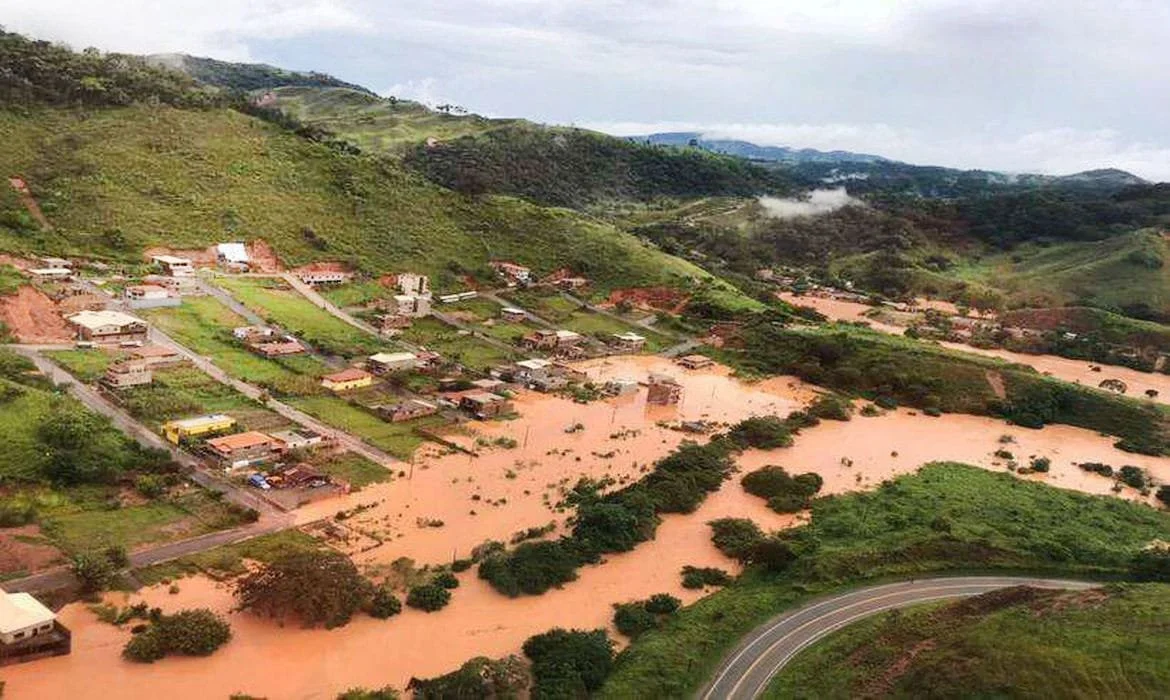
On a late February evening this year, a bout of intense rainfall hit the Brazilian state of Minas Gerais, triggering severe flooding and multiple landslides that left dozens dead and thousands displaced. The month of February as a whole was particularly wet for the affected cities in the south-eastern state, with unprecedented rainfall recorded in Juiz de Fora and Ubá. But in the wake of the heavy rains on February 23, 2026, in particular, these two cities saw widespread devastation; video footage depicts homes swept away, buildings collapsing, and muddy waters carrying away vehicles and debris through the streets.
Juiz de Fora, a city roughly 130km north of Rio de Janeiro and home to 560,000 residents, saw the most fatalities, with 65 people confirmed dead. Not too far away, in Ubá, the river that crosses through the city burst its banks that same evening, and seven people died. Recent reports suggest that around 10,000 residents have been displaced from Juiz de Fora, Ubà, and the nearby Matias Barbosa, which also saw very high rainfall.
In the immediate aftermath, the Brazilian meteorological agency issued heavy-rain alerts for 14 states across the country and warned of more rain in the subsequent days. In Juiz de Fora, Civil Defense suspended municipal schools and ordered around 600 households to evacuate. Some of the displaced were directed to temporary shelters where volunteers and local officials distributed essential supplies like food, medicine, and hygiene products. Rescue teams, including more than 100 firefighters, searched through the mud and rubble to locate survivors. In one case, a boy was pulled alive from the ruins of a destroyed home after rescuers dug for two hours.
President Luiz Inácio Lula da Silva offered condolences to the victims’ families on social media on February 24 and later declared a state of calamity in Juiz de Fora, allowing federal authorities to accelerate emergency funding and reconstruction efforts. The federal government authorized approximately 3.4 million reais, roughly 660,000 USD, in humanitarian assistance and reconstruction support. Lula also announced plans to survey the affected areas and meet with local leaders.
Yet even as rescue operations continued and floodwaters began to recede, residents returning to their homes encountered scenes of devastation. Entire houses had been swept away in mudslides, streets remained buried in debris, and damaged infrastructure disrupted basic services. For thousands of displaced residents, the immediate crisis quickly gave way to a longer period of recovery that could take months or even years.
Climate Pressures And Structural Vulnerabilities
The flooding in Minas Gerais is not an isolated event. In recent years, Brazil has experienced a series of floods that point to a broader pattern of increasingly extreme weather. In 2024, catastrophic flooding in the southern state of Rio Grande do Sul killed more than 200 people and affected around two million residents after rivers overflowed and large areas of the regional capital, Porto Alegre, were submerged. Two years earlier, heavy rainfall triggered landslides in Petrópolis, near Rio de Janeiro, leaving 241 people dead. This series of disasters illustrate how Brazil’s seasonal rainy period, which typically runs from December to March, has increasingly produced catastrophic consequences for densely populated urban areas.
Several factors exacerbate the human impact, such as unplanned urbanization. In many Brazilian cities, rapid population growth has pushed lower-income communities to settle on steep hillsides or flood-prone areas where land is cheaper but more exposed to natural hazards. These neighborhoods often lack proper drainage systems, stable soil management, or effective early-warning infrastructure.
The Juiz de Fora case embodies this broader structural issue. A 2023 government assessment found that roughly a quarter of the city’s population lives in areas considered at risk for disasters related to land instability or flooding. Poor communities are disproportionately represented in these zones, where deforestation, unstable slopes and inadequate drainage create ideal conditions for landslides during heavy rainfall.
Climate change is also intensifying extreme weather. As global temperatures rise, the atmosphere can hold more moisture – roughly 7% more water for every degree Celsius of warming. This increases the likelihood of heavier rainfall events when storms do occur. Brazil has already warmed by roughly 1 to 1.5 degrees Celsius above pre-industrial levels, and scientists expect the intensity of downpours to increase further as temperatures climb.
Similar patterns are observable across South America. Earlier this year, heavy rains in Peru led authorities to declare emergencies in hundreds of districts after floods and landslides killed dozens and disrupted thousands of livelihoods. Intense rainfall in Ecuador also affected thousands of people in recent months.
Across the developing world, the impacts of such changes are often more severe. Countries in the Global South generally face greater exposure to extreme weather while having fewer resources to invest in climate-resilient infrastructure. Rapid urbanization, informal housing and underfunded public services can transform environmental shocks into large-scale humanitarian disasters. Beyond immediate human suffering, floods destroy roads, bridges and electricity networks, interrupting daily life and slowing economic activity long after the initial impact. Agriculture is a particularly vulnerable sector. Minas Gerais, for example, is a major producer of arabica coffee beans. The unusually wet conditions have already worsened plant diseases in coffee plantations, raising concerns about reduced harvests and potentially higher global coffee prices.
Brazil’s broader economy is also closely tied to environmental stability. Hydropower accounts for nearly two-thirds of the country’s electricity generation, making rainfall patterns a critical factor for energy security and inflation. At the same time, major ports, cities and agricultural regions all face increasing exposure to climate-related disruptions.
Yet the extent of these risks is not matched by government preparedness. Out of Brazil’s more than 5,500 municipalities, only a small fraction have established formal climate adaptation plans. Experts argue that improving early warning systems, investing in resilient infrastructure, and restricting settlement in high-risk areas are essential steps to reduce future disaster impacts.
The floods in Minas Gerais highlight how extreme weather events are becoming more destructive as climate change intensifies rainfall patterns. But they also reveal a deeper structural challenge – that without more robust disaster preparedness, future environmental shocks will continue to produce large-scale human tragedies.